The FDA announced a class I recall of Evair compressors by Chicago-based GE Healthcare due to elevated levels of formaldehyde when the devices are used with specific models of Carescape or Engstron ventilators.
Japan’s Pharmaceuticals and Medical Devices Agency (PMDA) set up its second overseas regulatory office in Washington, four months after the drug and med-tech regulator opened its first Asia base in Bangkok, Thailand, in July 2024.
Qiagen NV added to its growing roster of panels cleared by the U.S. FDA in 2024 with the agency’s nod for its Qiastat-Dx Meningitis/Encephalitis assay. The clearance validates Qiagen’s strategy of developing rapid tests specifically for the U.S. market and builds on the respiratory, gastrointestinal and central nervous system tests already available.
The U.S. FDA reported a class I recall of tracheostomy tube kits by Minneapolis-based Smiths Medical Inc., because of the risk of separation of the tube’s pilot balloon and inflation line.
Cell and gene therapy companies are the beneficiaries of positive changes along the regulatory path that the U.S. FDA is paving for them, according to a panel of executives who spoke at the BioFuture 2024 conference in New York.
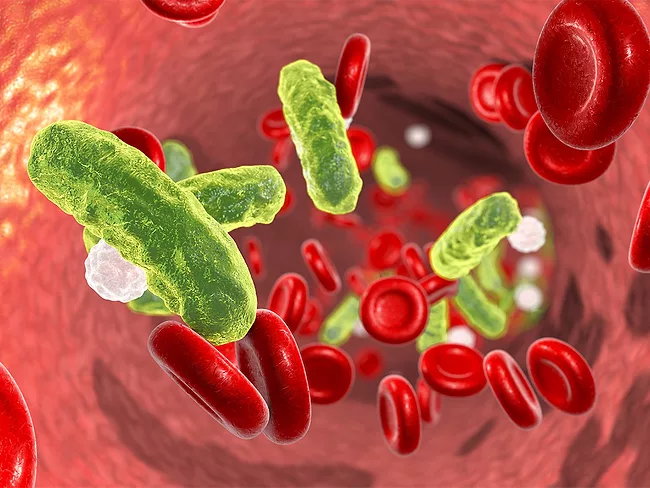
Abionic SA received U.S. FDA 510(k) clearance for its in vitro diagnostic Capsule pancreatic stone protein (PSP) sepsis test. Produced by the pancreas and immune cells, PSP provides an early biomarker for sepsis that could push back detection of deadly condition by 24 to 48 hours.
GT Metabolic Solutions Inc. received U.S. FDA clearance for its Magdi bariatric surgery system. The system uses magnets to create side-to-side duodeno-ileal anastomosis without cutting intestinal tissue or leaving foreign materials in the body permanently.
The U.S. FDA cleared Paragonix Technologies Inc.’s Kidneyvault portable renal perfusion system, which combines digital monitoring capabilities and hypothermic perfusion technology to preserve donor kidneys during transportation.
Medtronic plc added a second U.S. FDA pulsed field ablation (PFA) device approval to its scorecard with the agency’s greenlight for its Affera mapping and ablation system with the Sphere-9 catheter. Affera brings the first radiofrequency/PFA device to the cardiac ablation market and ups the ante in the PFA competition.
The Medical Information Working Group again took up a question regarding U.S. FDA-regulated speech, citing the agency’s new misinformation draft guidance as an example of a piecemeal approach to regulated speech.
 RSS
RSS