The U.S. FDA granted Momentis Surgical Ltd. 510(k) clearance for its Anovo robotic surgical platform for use in single site, abdominal access ventral hernia repairs. The U.S. regulatory agency also gave the greenlight to CMR Surgical Ltd.’s Versius system for use in cholecystectomy, in a sign of the growing market for smaller, more portable robotic devices to assist in minimally invasive procedures.
Borvo Medical Inc., a neurointerventional med-tech startup, reported U.S. FDA 510(k) clearance of its Endoport Vacuum Assisted Collection (EVAC) system, an alternative to traditional subdural hematoma (SDH) drainage methods. The EVAC system is expected to be available in early 2025 the company said.
The U.S. FDA’s device center disclosed its guidance ambitions for this new fiscal year – a list that includes the usual A and B lists for draft and final guidances. However, the agency now has an “under construction” list of guidance ambitions, the status of which is entirely reliant on the agency’s resources.
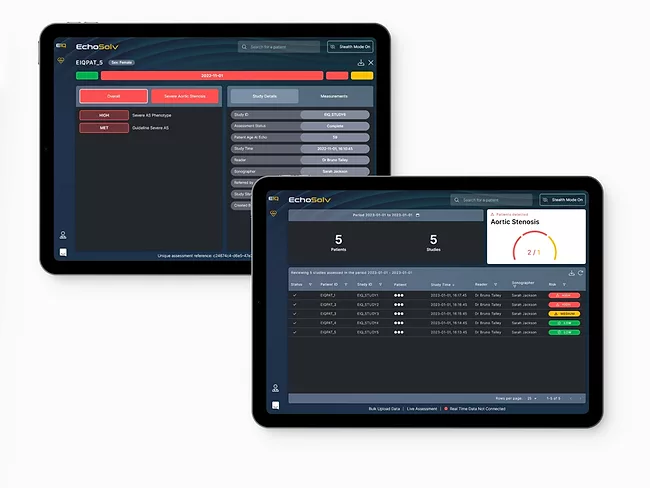
The U.S. FDA gave the 510(k) green light to Echo IQ Ltd.’s Echosolv AS for its AI-enabled software as a medical device to be used as a decision support aid in detecting severe aortic stenosis.
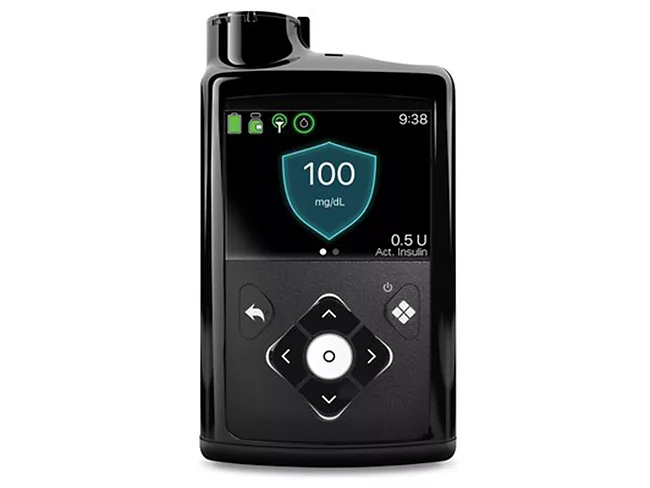
Medtronic plc reported a voluntary recall of certain insulin pumps after customers said a single drop, bump, or physical impact could shorten their battery life.
It’s well past time for the U.S. FDA to end its silence on what device patents can be listed in the Orange Book as part of a drug-device combination product, Sen. Bill Cassidy (R-La.) said in an Oct. 1 letter that took FDA Commissioner Robert Califf to task for letting the FTC do the FDA’s job.
Setpoint Medical Inc. received U.S. FDA investigational device exemption approval to initiate a study of its neuroimmune modulation platform in people living with relapsing-remitting multiple sclerosis. Setpoint plans to launch the 60-person trial in 2025 to evaluate the use of its implantable neurostimulation device to slow or reverse the nerve damage characteristic of multiple sclerosis.
The controversy over conflicts of interest for Jeff Shuren, formerly the director of the U.S. FDA’s device center, reached Capitol Hill and may lead to an executive branch investigation into the matter.
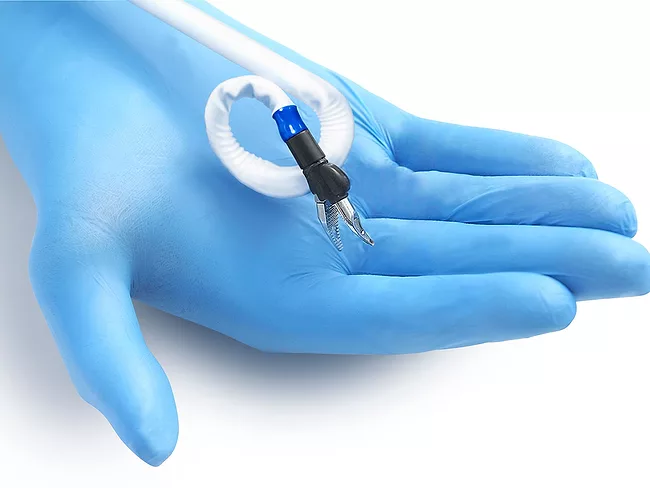
The Pi-Cardia Ltd. Shortcut — the catheter-based, leaflet modification solution for treating heart valves — received U.S. FDA clearance. The device was granted breakthrough device designation from the regulatory agency and is designed to split bioprosthetic aortic valve leaflets in patients undergoing valve-in-valve transcatheter aortic valve replacement (TAVR) procedures who are at risk of coronary obstruction.
 RSS
RSS