The FDA’s Sept. 5, 2024, draft guidance for the use of patient preference information (PPI) over the total product life cycle represents a new set of requirements for device makers when obtaining such information. Going forward, device makers may be required to provide more detail about patient heterogeneity, including when the benefit-risk calculation varies by subpopulation.
The U.S. FDA posted a series of de novo decisions Sept. 9, including a digital diagnostic for chronic kidney disease progression by Renalytix AI Inc., of New York, and a digital therapy device for management of fibromyalgia symptoms by Swing Therapeutics Inc., of San Francisco.
The U.S. FDA’s final guidance for device remanufacturing was the result of a nearly decade-long policy examination, and the agency’s Sept. 10 webinar highlighted a few key questions. The FDA’s Angela Krueger said the agency “always encourages transparency” on the part of manufacturers to ensure device safety and performance but said the FDA does not endorse disclosure of trade secrets in providing information on device servicing.
Femasys Inc. checked off a box on the way to launch of its Fembloc non-surgical birth control method with U.S. FDA clearance of Femchec. An enhanced version of the Femvue product used to diagnose fallopian tube abnormalities, Femchec enables confirmation of successful blockage of the fallopian tubes to prevent pregnancy without use of radiation.
The FDA reported several class I recalls in the first week of September 2024, a list that includes products such as Medtronic plc’s McGrath line of laryngoscopes, some of which should be jettisoned.
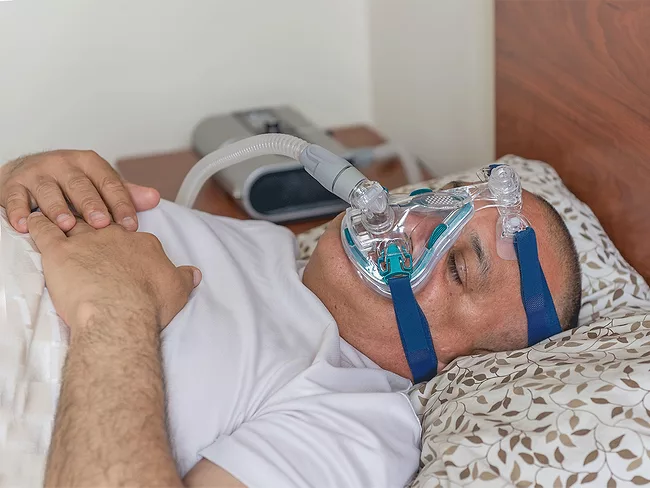
Litigation between companies in the med-tech space often revolves around patents, but the ongoing series of lawsuits between Philips Respironics Inc. and Soclean Inc. are directed toward the interaction between CPAP machines and CPAP cleaning systems.
The U.S. FDA is accused of dragging its feet on making public the devices for which it granted market access under the de novo program, and the agency recently been scrambling to bring these decision summaries to light.
Telix Pharmaceuticals Ltd. filed an NDA with the U.S. FDA for its radiopharmaceutical glioma imaging product, TLX-101-CDx (Pixclara, 18F-floretyrosine, 18F-FET), for the characterization of progressive or recurrent glioma from treatment-related changes in both adult and pediatric patients.
The U.S. FDA caught up with four makers of CPAP cleaning machines in the form of warning letters advising the manufacturers that the claims made for their systems fall under the definition of a regulated medical device. In two of these warning letters, the FDA said it had been in touch with the manufacturer for at least two years, indicating that the agency has been steadily working on enforcement activities in this space for some time.
The clearance by the U.S. FDA of Healthccsng V2.0, an artificial intelligence cardiac solution developed by Nano-x Imaging Ltd.’s (Nanox) subsidiary, Nanox.AI, is highly “significant” for the company and will offer “substantial” benefits to cardiology departments by significantly enhancing the detection of coronary artery calcification, Erez Meltzer, Nanox CEO told BioWorld.
 RSS
RSS