Some warning letters issued by the U.S. FDA are fairly simple matters, but that statement does not appear to apply to the Oct. 13, 2023, warning letter to Renovo Inc., of Bend, Ore. The warning letter provided a laundry list of sterilized reusable devices the agency said were not properly validated for sterilization, but the company rebutted these allegations in a vigorous defense of its reputation as a reprocessor.
The lingering effects of the COVID-19 pandemic and ongoing recruitment/retention issues are making it difficult for the U.S. FDA’s bioresearch monitoring program to keep up with the on-site clinical research inspections that are a cornerstone of the preapproval process for new drugs, biological products and medical devices. The resulting delays could threaten the approval timelines for many products.
The U.S. FDA posted two device warning letters in the first week of April 2024, including one each to Beckman Coulter Inc., of Brea, Calif., and Agena Bioscience Inc. of San Diego, the former of which was directed toward the Chaska, Minn., facility that manufactures the Beckman Coulter Dxl 9000 analyzer.
South Korean medical software firm Coreline Soft Co. Ltd. said it gained U.S. FDA 510(k) clearance for its artificial intelligence-based coronary artery calcification assessing solution, Aview CAC, while raising ₩18 billion (US$13.33 million) in a private placement.
Artificial intelligence (AI) is steadily making inroads into the world of health care, and San Francisco-based Eko Health Inc. has taken up the AI call with a stethoscope developed in conjunction with the Mayo Clinic that can detect low ejection fraction of the heart.
Abbott Laboratories reported the U.S. FDA approval of a new device specifically designed for the repair of leaky tricuspid heart valves. The Triclip was granted a PMA for the treatment of tricuspid regurgitation following the recent recommendation of the Circulatory System Devices Panel of the Medical Devices Advisory Committee for the FDA, whose vote confirmed 13 to 1, with 0 abstention that the benefits of Triclip outweighed the risks.
The U.S. FDA issued a draft guidance for premarket applications for class II bone grafting devices, a policy that would supplement a guidance issued nearly two decades ago.
It’s game time for Abbott Laboratories’ 15-minute concussion test now that FDA clearance is in hand. The I-Stat traumatic brain injury cartridge uses whole blood, allowing bedside assessment of patients without lab processing.
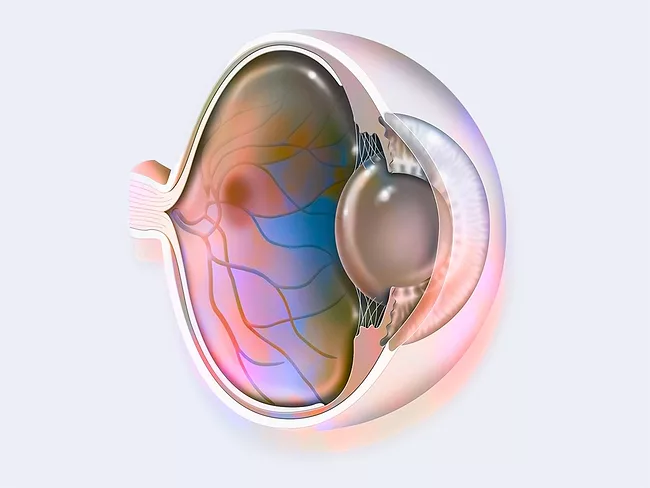
The notion of using vacuum pressure on the anterior portion of the human eye as a treatment for open-angle glaucoma might be a clinical novelty, but Balance Ophthalmics Inc. is poised to change that. The company recently won a favorable outcome at a U.S. FDA advisory panel for its Fsyx negative pressure pump for ocular use, although the company is likely to have to drum up a large body of data in post-approval studies, assuming the FDA gives the Fsyx the nod.
Endostart s.r.l. received U.S. FDA 510(k) clearance for Endorail, a magnetic balloon system which helps resolve intestinal looping and facilitates the efficiency and safety of colonoscopy procedures. The approval is an “important milestone” for the company as it will allow Endostart to bring its technology to the U.S. market to empower physicians, Alessandro Tozzi, co-founder and CEO of the company, told BioWorld.
 RSS
RSS