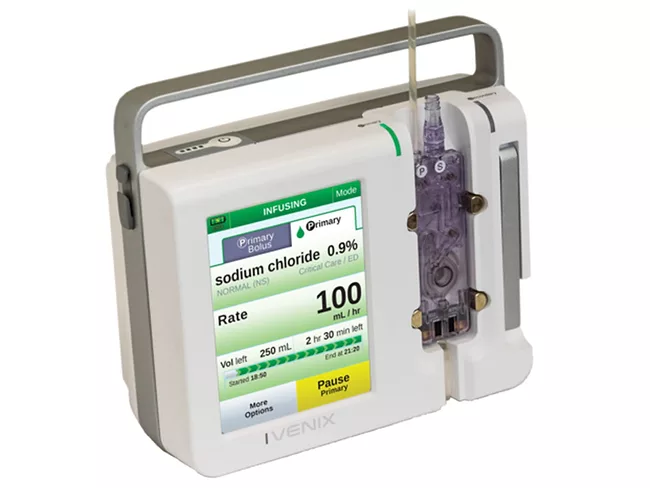
The U.S. FDA’s warning letter to Fresenius Kabi AG of Homburg, Germany highlighted several problems with the compliance practices at the company’s plant in North Andover, Mass., but there is more than just a compliance issue at play. Fresenius had acquired the Ivenix infusion pump and the inspected research and development site in its 2022 acquisition of Ivenix Inc., another example of the regulatory and compliance hazards of acquisitions in the med-tech space.
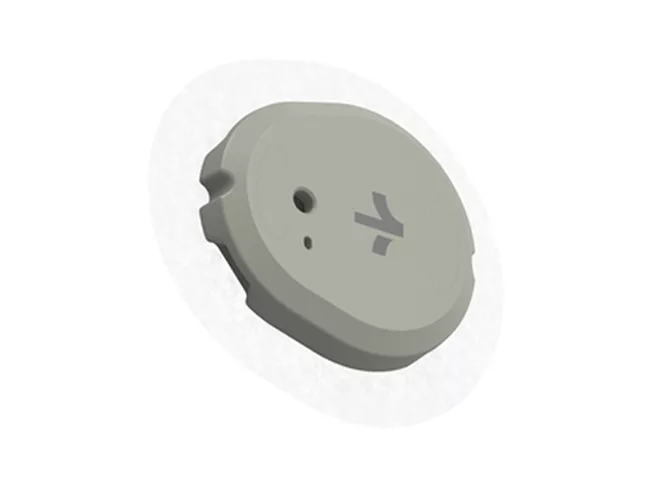
In a grand slam for Dexcom Inc., the U.S. FDA cleared its Stelo glucose biosensor system for over-the-counter marketing, making it the first integrated continuous glucose monitor available without a prescription. Designed for use by the 25 million adults with diabetes who do not use insulin and do not have problematic hypoglycemia, the FDA indication expanded the clearance for Stelo to include individuals without diabetes “who want to better understand how diet and exercise may impact blood sugar levels,” dramatically expanding the market opportunity.
The U.S. FDA announced several new and updated recalls recently, including a new recall of incubators made by Wipro GE Health Pvt. Ltd., of Bangalore, India, which may be subject to an increased risk that the infant may fall out of the system.
While members of the U.S. FDA’s Imaging Drugs Advisory Committee weren’t blown away March 5 by the trial performance of Lumicell Inc.’s Lumisight (pegulicianine) in helping breast cancer patients avoid second surgeries due to negative margins following a lumpectomy, they voted 16-2, with one abstention, that the benefits of the imaging drug outweigh its risks, even though those benefits are incremental.
The March 5 meeting of the U.S. FDA’s Medical Imaging Drugs Advisory Committee could be the gateway to the first approved intraoperative technology for use in breast cancer that directly examines the lumpectomy cavity for residual cancer.
The U.S. FDA has proposed an update to an existing program for user fee reductions for companies grossing less than $100 million, although this latest update is much stingier than that. The update would provide registration fee relief for entities with revenues of $1 million or less, but only if that business is in bankruptcy proceedings, a meager bit of relief considering that registration fees in fiscal 2024 run to less than $7,700.
The U.S. FDA reported Feb. 29 that data on the Hintermann series H3 total ankle system suggest a significantly higher rate of device failure than seen in premarket clinical studies, a problem that has arisen even though only five years have passed since the agency approved the device.
On March 1, Boston Scientific Corp.’s Agent drug-coated balloon (DCB) became the first DCB to gain U.S. FDA approval for treatment of in-stent restenosis in patients with coronary artery disease. With more than 100,000 patients already treated in Europe, Latin America and Japan, it’s no secret Agent provides significant benefit compared to balloon angioplasty or drug-eluting stents (DES) for the approximately 10% of patients with coronary stents who experience subsequent narrowing of the treated vessel.
The U.S. FDA’s approach to predetermined change control plans (PCCP) for medical devices has been widely viewed through the lens of artificial intelligence software, but the potential scope of PCCP is much broader than merely evolutionary software and iterative device designs.
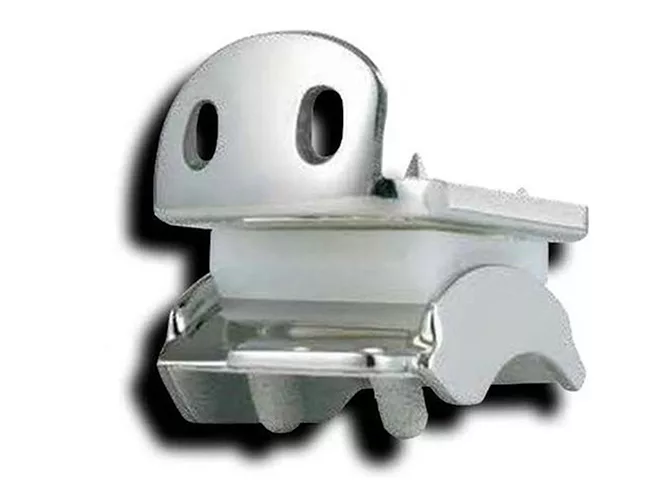
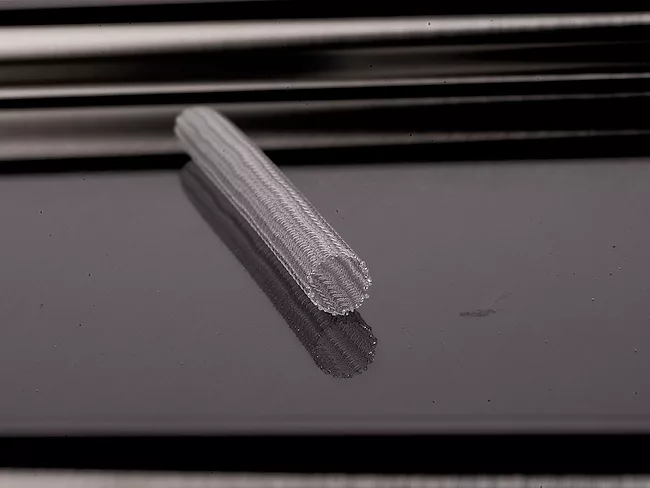
Woven Orthopedic Technologies LLC secured a second U.S. FDA 510(k) clearance for the use of its Ogmend implant enhancement system in spine surgery. The approval is for the large size Ogmend sleeve which is compatible with pedicle screws up to 10.5 mm and will give surgeons a tool to be able to easily secure stable fixation between the screw and bone during orthopedic surgery.
 RSS
RSS