The FDA reported that the recall of the Arrow-Trerotola percutaneous thrombolytic device is a class I recall due to the risk of tip damage during use. This hazard could result in detachment of the tip from the device basket, which could damage or block vessels, a potentially lethal hazard for the patient.
Neurosigma Inc. has received FDA breakthrough device designation for its Monarch ETNS system to treat drug-resistant epilepsy (DRE). The neuromodulation therapy uses noninvasive external trigeminal nerve stimulation (ETNS) to treat neurological and neuropsychiatric indications. The technology is currently commercialized for pediatric ADHD treatment.
Noninvasix Inc. received a breakthrough device designation from the FDA for its noninvasive Livox central venous oxygenation monitor, which allows real-time monitoring of central venous oxygen saturation (ScvO2) in patients at risk of septic shock. The Noninvasix optoacoustic platform consists of a disposable patient interface with a reusable probe, data display and hardware.
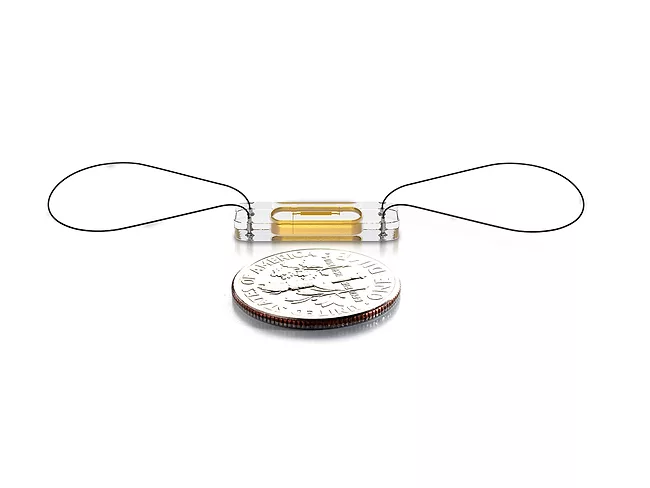
The FDA has approved Medtronic plc’s next-generation sacral neuromodulation (SNM) system, Interstim X, giving patients a recharge-free option with a 10-year+ lifespan. This newest member of the Interstim portfolio joins the rechargeable Interstim Micro as a treatment for overactive bladder (OAB), chronic fecal incontinence (FI) and nonobstructive urinary retention.
A neurostimulation device developed to treat focal epilepsy has received breakthrough device designation from the FDA. Precisis AG’s Easee [Epicranial Application of Stimulation Electrodes] minimally invasive system is designed to deliver individualized brain stimulation without neurosurgery. The electrode is placed subcutaneously on the cranium and a current is applied to the affected brain area to prevent or mitigate seizures.
The U.S. FDA has at last published what is nominally a draft rule for harmonization of the Quality System Regulation (QSR) with an international standard, ISO 13485, but the draft rule is conspicuous for the absence of specifics.
Abbott Laboratories’ Cardiomems heart failure (HF) system is open to a larger patient population following an expanded approval from the FDA. Abbott’s system had previously been approved for class III HF patients that had been hospitalized for HF in the past year. A new expanded indication enables the sensor to be utilized by class II (earlier stage) HF patients and those whose blood test show elevated levels of biomarkers known as natriuretic peptides. The FDA based the approval on findings from the GUIDE-HF trial, which suggested class II HF patients and patients with elevated natriuretic peptides had better outcomes when their therapy was guided by pulmonary pressure monitoring, with a 34% and 25% reduction in heart failure hospitalizations and emergency visits, respectively, based on study data adjusted for the impact of COVID-19.
The FDA’s device center has long been at the task of reclassifying legacy devices that promise a moderate degree of risk, but successful de novo device applications also call for a class II listing. The agency recently posted five such risk classifications, including for a device developed by Edwards Lifesciences Corp., of Irvine, Calif.
The FDA’s device center has been eyeing an overhaul of its Quality System Regulation (QSR) for several years, and the latest development is the scheduling of a March 2 advisory committee hearing to review the proposal. The default assumption is that the agency will post the draft rule prior to the hearing, although the routine two-day window for reviewing FDA meeting materials prior to an advisory hearing might leave stakeholders with insufficient time to examine the agency’s proposal.
The selection of Robert Califf to run the U.S. FDA might seem like a safe move on the part of the White House, but some believe his prior experience at the FDA does not necessarily suggest an acceptance of the regulatory status quo. Peter Pitts, president of the Center for Medicine in the Public Interest, told BioWorld that while Califf is “not a flashy pick,” Califf possesses a very keen understanding of the need to modernize the FDA’s practice of regulatory science, which should be a welcome bit of news for makers of drugs and devices.
 RSS
RSS