Celltrion Inc. recently received FDA emergency use authorization (EUA) for its Diatrust COVID-19 Ag home test. “With the FDA approval, we will now prioritize getting the test kits to the U.S. and into users’ hands as soon as possible,” a spokesperson for the Incheon, South Korea-based Celltrion told BioWorld. The test kits will be distributed through Celltrion’s U.S. arm, Celltrion USA Inc. Celltrion is currently in the final stage of negotiations with the U.S. government, as well as online and offline distributors.
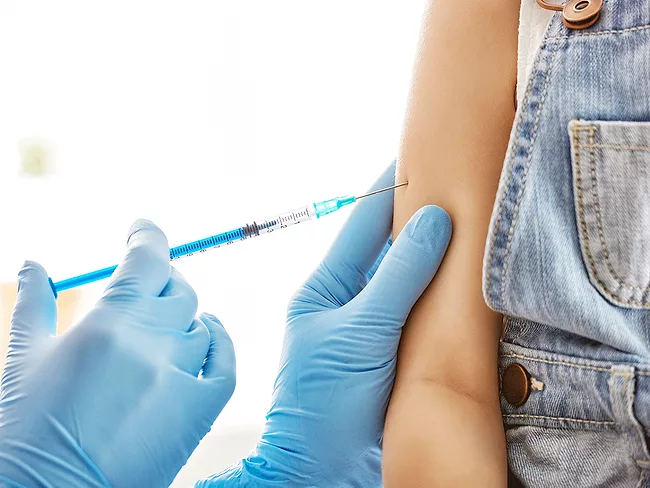
The FDA’s Vaccines and Related Biological Products Advisory Committee (VRBPAC) voted 17-0, with one abstention, that the benefits of Pfizer Inc.-Biontech SE pediatric formulation of its two-dose COVID-19 vaccine outweigh its risks for children ages 5 through 11. Many of those votes came with caveats, as the VRBPAC members struggled with the unknowns of the vaccine and the fear that schools would mandate its use, even though it would still be considered experimental if the FDA grants it an emergency use authorization.
The brain-computer interface (BCI) is the subject of keen medical interest for those dealing with neurological damage, but military applications are also a point of interest among a number of national governments. With all this in mind, an agency at the Department of Commerce has posted a request for comments regarding a possible imposition of export controls on BCI devices due to national security concerns, a proposal that could complicate exports of such devices for medical use.
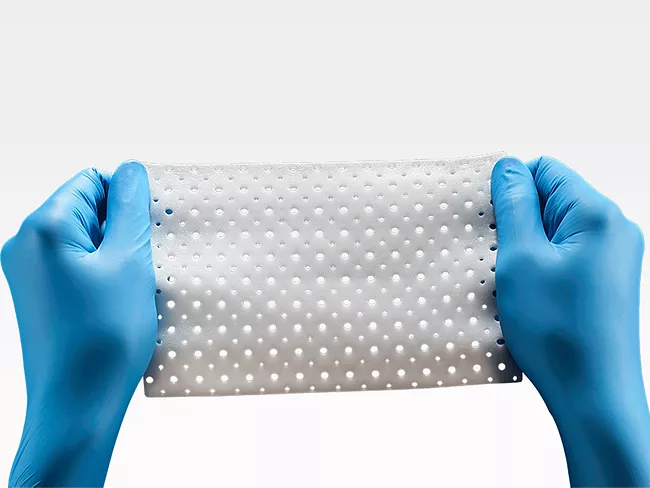
Despite that the device has been available for more than a decade under the 510(k) program, an FDA advisory committee voted narrowly that the benefits of the Surgimend device for breast reconstruction do not outweigh the risks. Another interesting feature of the application is that the pivotal study was based on real-world evidence (RWE), but while the FDA had direct access to the data, Integra Lifesciences Holdings Corp. did not, thus raising questions about whether RWE is necessarily useful for class III device premarket applications.
DUBLIN – Oncopeptides AB has withdrawn its troubled multiple myeloma
drug Pepaxto (melphalan flufenamide) from the U.S. market, less than eight months after receiving an accelerated approval from the FDA. The move comes less than a week before the FDA’s Oncologic Drugs Advisory Committee was due to consider the drug’s safety profile because of data anomalies that surfaced over the summer.
Pfizer Inc. said that, in children aged 5 through 11, the COVID-19 vaccine it co-developed with Biontech SE showed 90.7% efficacy against all variants of concern following two doses. The data were included in briefing documents filed ahead of a full discussion at the FDA’s Vaccines and Related Biological Products advisory committee meeting set for Oct. 26.
Shares of Ultimovacs ASA (OSE:ULTI) climbed 16.6% to NOK148.60 (US$17.82) on news the FDA will expedite an eventual review of its investigational cancer vaccine, UV-1, in combination with checkpoint inhibitors for the potential treatment of unresectable or metastatic melanoma.
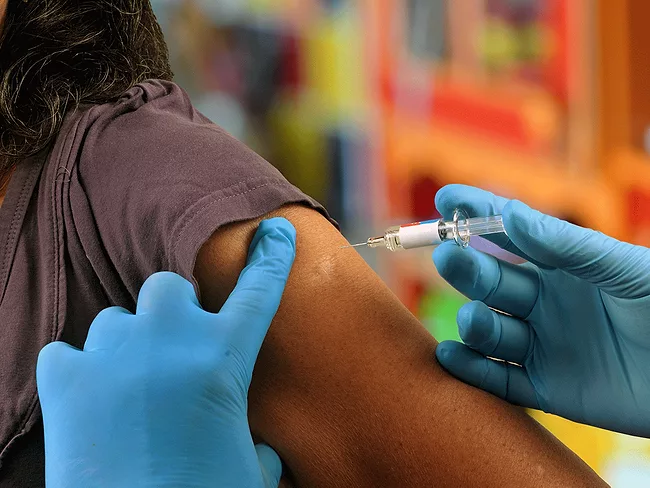
Despite some concerns from a few members, the Advisory Committee on Immunization Practices unanimously approved recommendations to the CDC that boosters be made available to those wanting them. The advisory committee recommended that a single COVID-19 vaccine booster dose be given six months or more after completing an mRNA primary series in the same risk group for whom the CDC recommended a booster dose of Pfizer Inc-Biontech SA’s vaccine. The CDC presented data to the committee that the single mRNA COVID-19 vaccine dose be given to those age 65 and older, for those at least 18 years old and reside in long-term-care settings, and also for those ages 50 to 60 with certain underlying medical conditions.
The FDA issued an Oct. 18 reminder to the diagnostics industry that the agency still requires test developers to register with an institutional review board (IRB) for all studies of human subjects. This still pertains to studies that make use of leftover, de-identified specimens in FDA-regulated studies, an alert to industry which suggests that enforcement actions may be in the near offing.
As largely expected, the FDA on Oct. 20 authorized the use of booster doses for COVID-19 vaccines from Moderna Inc. and Johnson & Johnson, in line with last week’s Vaccines and Related Biological Products Advisory Committee (VRBPAC) meetings. It also cleared the way for “mix-and-match” boosters, allowing eligible people to receive boosters from any of the FDA-approved vaccines, regardless of which vaccine they received originally.
 RSS
RSS