The next major shock wave to hit the U.S. biopharma and med-tech industries could be the fiscal 2026 federal budget. Nearly one-third of the discretionary budget for the Department of Health and Human Services (HHS) could be wiped out, according to the White House Office of Management and Budget’s “pre-decisional” budget proposal, or passback, for HHS.
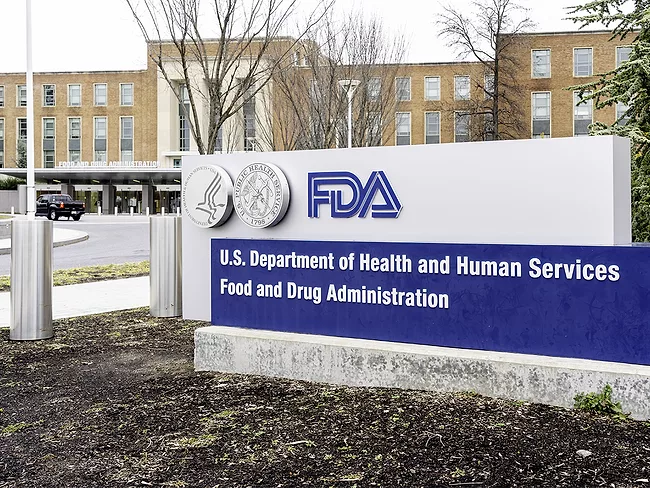
The recent staff cuts at the U.S. FDA’s device center caught the attention of outsiders but also caught the attention of those who work on premarket applications for 510(k) and PMA filings.
In a blast from the past, U.S. President Donald Trump signed an executive order April 15 to deliver on his 2016 campaign promises and strengthen or reinstate efforts of his first administration to drive down prescription drug prices. “My first term included numerous significant actions, including some of the most aggressive in recent history, to deliver lower prescription drug prices to American patients,” Trump noted in the order, which builds on many of those actions, including increased competition, re-importation, price transparency and a mandate to pass discounts through to patients.
Xellsmart Biopharmaceutical (Suzhou) Co. Ltd. has announced IND clearances by the FDA for its XS-411 and XS-228 cell therapies, for Parkinson’s disease and amyotrophic lateral sclerosis (ALS), respectively.
Johnson & Johnson’s Medtech division reported the completion of the first cases in the clinical trial for the Ottava robotic surgical system. The cases mark the first clinical experience with the Ottava system, which has been a long time in development.
In a roadmap to change animal testing requirements for INDs, the U.S. FDA said its new approach will improve drug safety, hasten the evaluation process, and lower costs for companies and patients. It’s another step in a process of changing rules put in place decades ago.
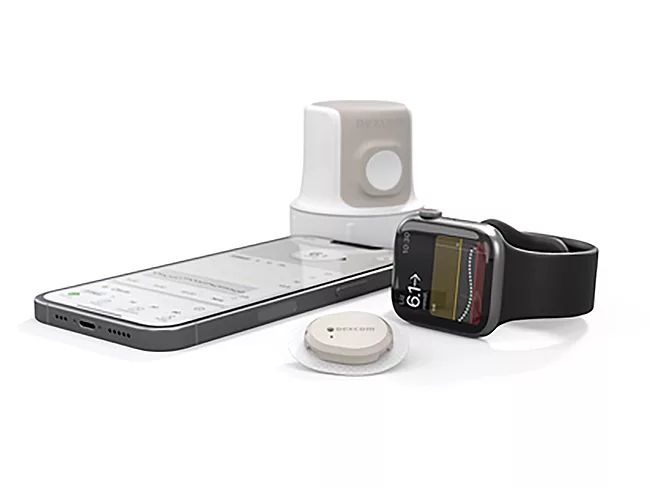
The battle to claim the continuous glucose monitor with the longest wear time continues with Dexcom Inc.’s G7 15 Day continuous glucose monitor gaining U.S. FDA clearance on April 10 for adults with diabetes. The company said it now takes the lead with the 15-day duration, but Abbott Laboratories also offers 15 days of useful life for its Freestyle Libre 3 plus.
Cardiovia Ltd.' Viaone epicardial access system received U.S. FDA clearance for treating cardiac arrhythmias. The device provides clinicians with a safe and minimally invasive technology to reach the heart’s outer surface, known as the pericardial space, without the need for a sharp needle, which can cause perforation.
In a roadmap to change animal testing requirements for INDs, the U.S. FDA said its new approach will improve drug safety, hasten the evaluation process, and lower costs for companies and patients. It’s another step in a process of changing rules put in place decades ago.
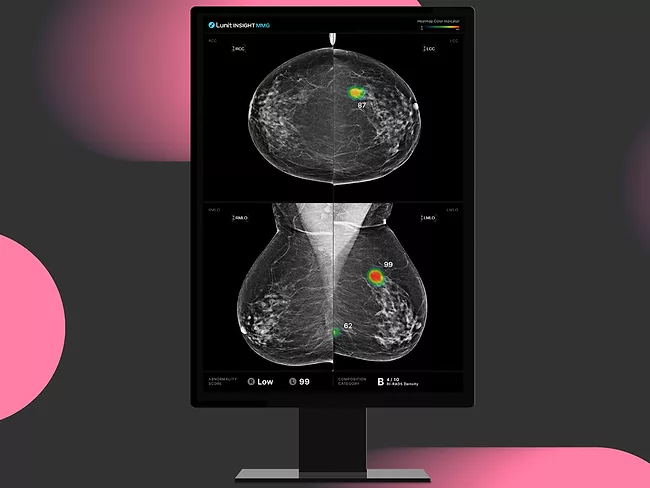
AI could significantly improve the value of patient recalls following mammography, but so far radiologists seem reluctant to rely on computer-aided readings. Radiologists tend to trust their own judgment – and that of their colleagues – in mammogram readings far more than AI-based diagnostics, even when the AI is much more accurate, a prospective trial analysis published in Radiology by Karolinska Institutet researchers found.
 RSS
RSS