“We’ve lost 1,000 person-years of expertise in a few weeks,” former U.S. FDA Commissioner David Kessler said in an April 9 House Oversight and Government Reform hearing as he discussed the impact of the termination of 3,500 FDA employees the previous week, on top of the 1,000 who were let go or offered retirement in February.
The U.S. FDA has cleared regenerative medicine company Orthocell Ltd.’s 510(k) for its nerve repair product, Remplir, paving the way to begin commercial operations in the $1.6 billion U.S. nerve repair market.
Some say it’s not what you say but how you say it, but the U.S. FDA’s Feb. 10, 2025, warning letter to Denver-based Exer Labs Inc., makes clear that a 510(k)-exempt device can’t be altered and promoted for claims that are disallowed under the regulation.
Ill-considered government policies, pharmacy benefit manager market abuses and an unpredictable future are casting doubt on the long-term sustainability of the U.S. biosimilar market, Craig Burton, the executive director of the Biosimilars Council, told a House Ways & Means subcommittee April 8.
Curevac NV announced that the FDA has cleared its IND application for a phase I clinical study of CVHNLC in patients with squamous non-small-cell lung cancer (sqNSCLC). CVHNLC is Curevac’s investigational mRNA-based precision immunotherapy.
Lexeo Therapeutics Inc. produced more positive interim data from early stage studies of its gene therapy to treat Friedreich’s ataxia cardiomyopathy. The results have prompted the company to continue their ongoing dialogue with U.S. FDA regulators to finalize a registrational study protocol and launch that study by early 2026 with data the following year.
Resvita Bio Inc.’s RVB-003 has been awarded orphan drug designation by the FDA for the skin disorder Netherton syndrome. RVB-003 was previously granted rare pediatric disease designation.
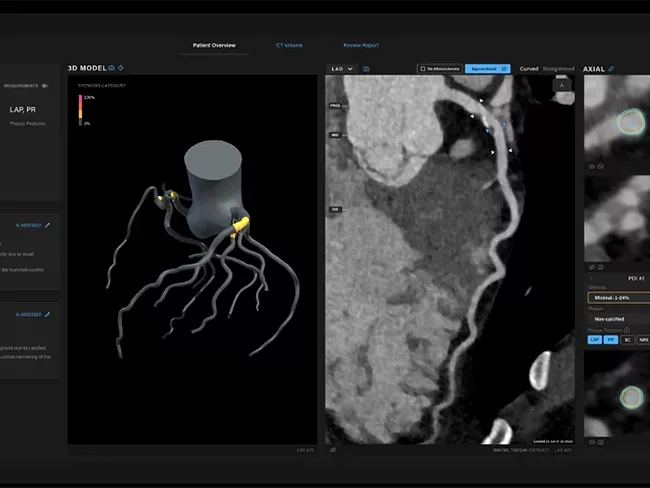
The U.S. FDA cleared Artrya Ltd.’s Salix Coronary Anatomy software that analyzes coronary computed tomography angiogram scans via AI to better diagnose coronary artery disease.
The U.S. FDA’s accelerated approval of Vanrafia (atrasentan) from Novartis AG for primary immunoglobulin A nephropathy (IgAN) is the company’s second approval for the indication in the past year and a half. The nod also came without a required safety program through a black box warning.
Aldeyra Therapeutics Inc. is hoping that research already underway will satisfy the U.S. FDA, which delivered to the company another complete response letter (CRL) related to the NDA for reproxalap in dry eye disease (DED).
 RSS
RSS