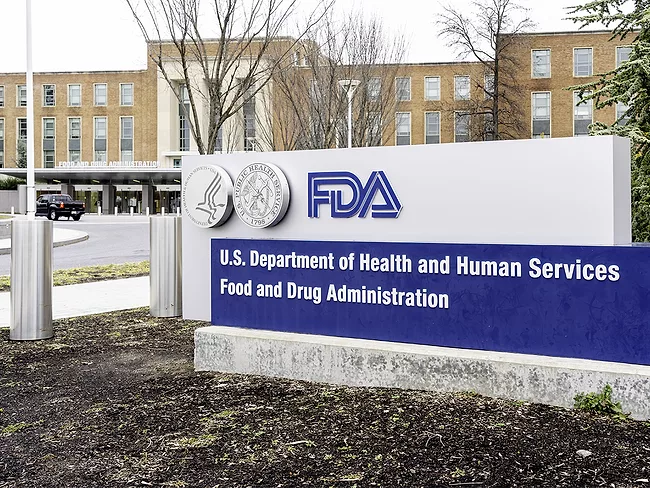
The U.S. FDA’s draft guidance for reporting of deviations from clinical study protocols lends some insight as to the definition of a deviation, but the agency highlights some concerns about related compliance activities.
Artificial intelligence (AI) is no novelty for medical technology, but 2024 saw an interesting series of events in this area from across the globe. While some of these developments portend immediate regulatory clarity, some are harbingers of continued regulatory flux in 2025 and beyond.
The U.S. FDA has issued a second report in connection with device software functions, which includes surveillance data for clinical decision support (CDS) tools. While the report lists three events that qualify as adverse events, the FDA offered no information that would provide an adverse event rate for CDS products.
Sequana Medical NV received premarket approval from the U.S. FDA for its Alfapump system to treat recurrent or refractory ascites due to liver cirrhosis. Data from the Poseidon pivotal study showed the implantable device, which removes ascites from the abdomen into the bladder, can eliminate the need for therapeutic paracentesis, improving the quality of life of patients.
2024 was another banner year for GLP-1 receptor agonists (GLP-1RAs) on multiple fronts. They continued to expand into new indications, and provide their developers with both rich remuneration and scientific acclamation. There are now seven approved GLP-1RAs. Commercially, the most successful one so far is semaglutide, sold under the brand name Wegovy or Ozempic depending on the indication.
When every hour’s delay in treatment increases the risk of death 8%, dialing down time to diagnosis takes on acute urgency for clinicians and regulators. When the disease being treated kills 20% of the global population and 33% of hospitalized patients in the U.S., the market opportunity attracts investors. And when the technology makes breakthroughs possible that cut the time to targeted treatment from days to hours or even minutes, the number of products in development explodes, as the keen competition in sepsis diagnostics covered by BioWorld in 2024 demonstrates.
2024 was another banner year for GLP-1 receptor agonists (GLP-1RAs) on multiple fronts. They continued to expand into new indications, and provide their developers with both rich remuneration and scientific acclamation. There are now seven approved GLP-1RAs. Commercially, the most successful one so far is semaglutide, sold under the brand name Wegovy or Ozempic depending on the indication.
As if the uncertainties surrounding an incoming administration weren’t enough, a landmark U.S. Supreme Court decision and a potential new avenue of liability for drug and device manufacturers could bring an added level of unpredictability to the sector for 2025.
Regenerative medicine company Mesoblast Ltd. received an early Christmas present from the FDA for approval of its allogeneic bone marrow-derived mesenchymal stromal cell (MSC) therapy, Ryoncil (remestemcel-L), for steroid-refractory acute graft-vs.-host disease (SR-aGvHD) in children 2 months and older, including adolescents.
A Chinese player entered the U.S. non-small-cell lung cancer (NSCLC) arena as the U.S. FDA cleared Xcovery Holdings Inc.’s Ensacove (ensartinib) as a first-line therapy for adults with anaplastic lymphoma kinase (ALK)-positive locally advanced or metastatic disease who have not previously received an ALK-inhibitor. Xcovery, of Palm Beach Gardens, Fla., is a subsidiary of Betta Pharmaceuticals Co. Ltd, of Hangzhou, China.
 RSS
RSS