Amid an overall positive earnings report of $3.2 billion in 2024 revenues, Moderna Inc. disclosed that the U.S. FDA placed its norovirus vaccine on a phase III clinical hold due to a single adverse event of Guillain-Barré syndrome (GBS).
Ensoma Inc.’s lead program, EN-374, has been granted orphan drug and rare pediatric disease designations by the FDA for the treatment of X-linked chronic granulomatous disease. Ensoma anticipates filing an IND application for EN-374 in the first half of this year.
The market took a strong liking to the latest U.S. FDA guidance for Moleculin Biotech Inc.’s upcoming Miracle phase III trial testing annamycin in cancer. So much so that the company’s stock (NASDAQ:MBRX) soared 202% on Feb. 13 to close at $1.27 a share.
Coming as no surprise, the U.S. Senate’s Feb. 13 confirmation of Robert Kennedy as the next secretary of the Department of Health and Human Services (HHS) did nothing to ease the uncertainty hanging over the FDA and other HHS agencies.
Snagging its second U.S. FDA approval since being spun out of Pfizer Inc. in 2017, Springworks Therapeutics Inc. is aiming to position Gomekli (mirdametinib), cleared for neurofibromatosis type 1-associated plexiform neurofibromas (NF1-PN) not amenable to complete resection, as a first-in-class drug for adults and potentially best-in-class option for children. The priority approval, which came after market close Feb. 11, more than two weeks ahead of the Feb. 28 PDUFA date, marks the second MEK1/2 inhibitor to hit the market for NF1-PN, a rare, genetic condition.
Kura Oncology Inc. and Kyowa Kirin Co. Ltd.’s selective oral menin inhibitor, ziftomenib, met the primary endpoints in the phase II registrational Komet-001 trial in patients with relapsed/refractory NPM1-mutant acute myeloid leukemia (AML), and Kura expects to submit its NDA to the U.S. FDA in the second quarter of 2025.
The fast pace in which the Trump administration has rolled out changes to how government and businesses operate – a disruptive effort that appears to be creating a new world order – has caught the attention of biopharma industry leaders who spoke Tuesday at the Biotechnology Innovation Organization’s CEO and Investor Conference in New York.
The immediate implementation of the U.S. NIH’s guidance to cut indirect costs included in its grants to 15% was quickly halted late Feb. 10 when a federal district judge granted a nationwide temporary restraining order in two separate challenges to the cuts that were to go into effect that day on all existing and new NIH grants.
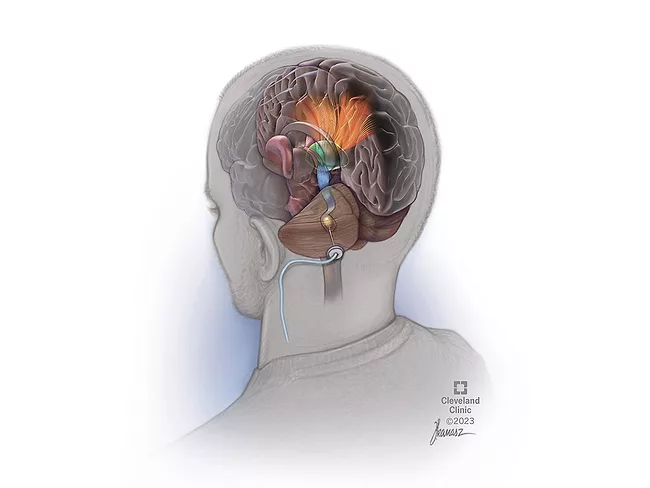
Newronika SpA's AlphaDBS recently secured an investigational device exemption from the U.S. FDA allowing it to begin a pivotal trial to evaluate the safety and efficacy of its adaptive deep brain stimulation system in patients with movement disorders, including Parkinson's disease.
Amid a strengthening offensive against direct-to-consumer drug ads, two senators flagged a Super Bowl ad promoting compounded drugs as part of the company’s attack on the U.S. weight-loss industry that it said was built to keep Americans “sick and stuck.”

 RSS
RSS