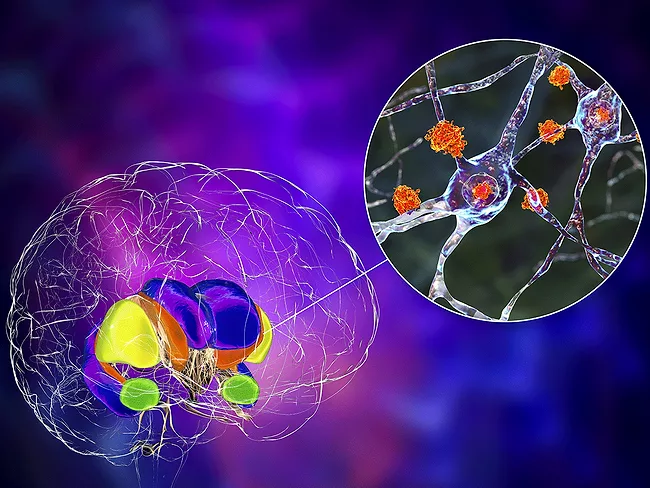
The U.S. FDA wants more data on PTC-518 before PTC Therapeutics Inc.'s phase II study of Huntington’s disease can continue enrollment. While stopped in the U.S., the study of the oral, small-molecule splicing modifier still is enrolling participants at sites in several European countries and in Australia.
In a bit of déjà vu, the U.S. FDA’s Obstetrics, Reproductive and Urologic Drugs Advisory Committee once again voted that Makena (hydroxyprogesterone caproate) should be withdrawn from the U.S. market while a second confirmatory trial is designed and conducted. But this time around, the committee’s 14-1 vote was much more decisive than its 9-7 vote in 2019.
Guangzhou Zhiyi Biotechnology Co. Ltd. has received IND approval from the FDA to conduct a phase I study in the U.S. with SK-10 for the treatment of chemotherapy-induced diarrhea.
Nkgen Biotech Inc. has received IND clearance from the FDA for a phase I study of its cryopreserved off-the-shelf allogeneic blood-derived natural killer (NK) cell therapy SNK-02, to evaluate safety and tolerability in participants with pathologically confirmed solid tumors refractory to standard-of-care therapy.
The FDA’s Center for Drug Evaluation and Research (CDER) came out punching Oct. 17 at the start of a three-day hearing before the Obstetrics, Reproductive and Urologic Drugs Advisory Committee on whether Covis Pharma BV’s Makena (17-hydroxyprogesterone caproate), a branded version of a drug that’s been used since 1956 to prevent preterm births, should be withdrawn from the market.
Biomea Fusion Inc. has received IND clearance from the FDA to begin a phase I/Ib trial of BMF-219, a selective, covalent menin inhibitor in patients with unresectable, locally advanced, or metastatic non-small-cell lung cancer (NSCLC), colorectal cancer, or pancreatic ductal adenocarcinoma with an activating KRAS mutation.
Decibel Therapeutics Inc. has received clearance from the FDA for its IND application to initiate a phase I/II trial of DB-OTO in pediatric patients, potentially in infants younger than 2 years of age.
Prescription drug names are generally invented words that are often easier to spell than they are to pronounce. And, for the most part, they’re meaningless until they’ve been associated with a drug.
 RSS
RSS