With paralysis affecting more than 5 million Americans, devices that serve as brain-computer interfaces (BCIs) are increasingly important, even if few are commercially available. The FDA has responded to the predicament with a leapfrog guidance, a preliminary form of guidance designed to foster more interaction with industry and encourage developers to move along on development programs for devices that will aid patients in restoring lost motor and/or sensory capabilities.
Blueprint Medicines Corp. gained the FDA’s nod for Ayvakit (avapritinib) to treat systemic mastocytosis (SM), adding another indication to the KIT inhibitor’s label. For the first time, patients have available a targeted therapy designed to block D816V mutant KIT, the central driver of the disease.
More than four months after its original PDUFA date of Feb. 2, 2021, Mallinckrodt plc’s Stratagraft gained FDA approval for use in deep partial-thickness thermal burns.
Acutus Medical Inc. scored big with regulators in recent weeks. The company, which focuses on devices to diagnose and treat cardiac arrhythmias, received FDA approval to launch an investigational device exemption clinical trial for its Acqblate Force sensing ablation catheter and system in atrial fibrillation just two weeks after gaining CE mark approval for a broad suite of electrophysiology products.
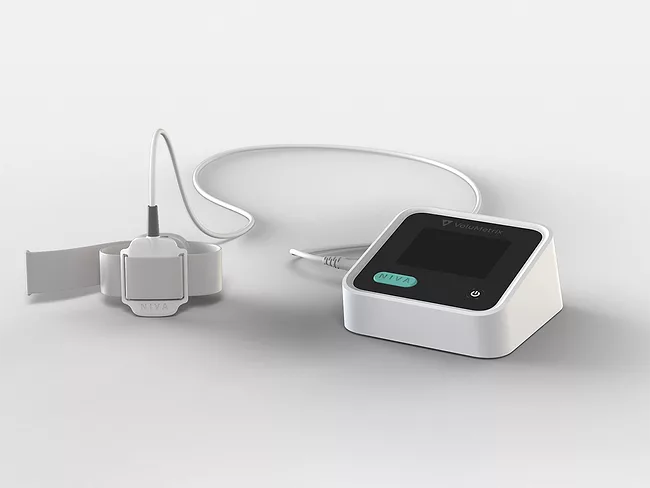
The FDA granted breakthrough device designation to Volumetrix LLC for its NIVAHF monitoring system for heart failure. The device is the first application of the company’s noninvasive venous waveform analysis (NIVA) technology, which captures and analyzes vital information about blood volume to assess patient status.
The controversy over the use of paclitaxel in devices for the peripheral vasculature has taken a significant bite out of sales, but a new study serves to help reverse the narrative regarding mortality. According to a study of more than 168,000 Medicare patients, stents and angioplasty balloons coated with paclitaxel (PTX) were non-inferior to non-coated devices for mortality out to nearly three years, a finding that may encourage clinicians to return to normal utilization patterns and thus help to restore sales volumes.
The FDA’s multiyear effort to rewrite the Quality System Regulation (QSR) to align with ISO 13485 could significantly ease the regulatory burden for device makers in multiple markets, but that effort has floundered over the past couple of years. The associated rulemaking is back on the FDA’s agenda, signaling that device makers might soon be able to deploy a single and relatively inexpensive quality management system, which in principle would significantly reduce their compliance costs.
The U.S. isn’t the only country tossing COVID-19 vaccines due to potential cross-contamination of the drug substances manufactured at an Emergent Biosolutions Inc. plant.
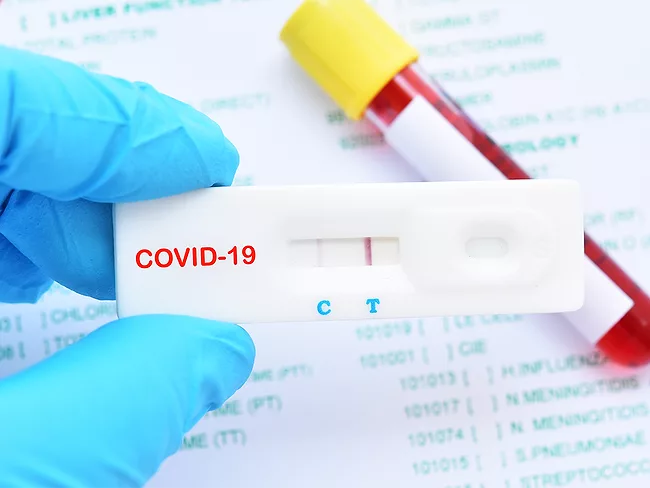
The FDA issued a June 10 warning letter to Innova Medical Group Inc. in connection with the company’s rapid antigen tests for the SARS-CoV-2 virus, an action that accompanies a class I recall and a safety communication.
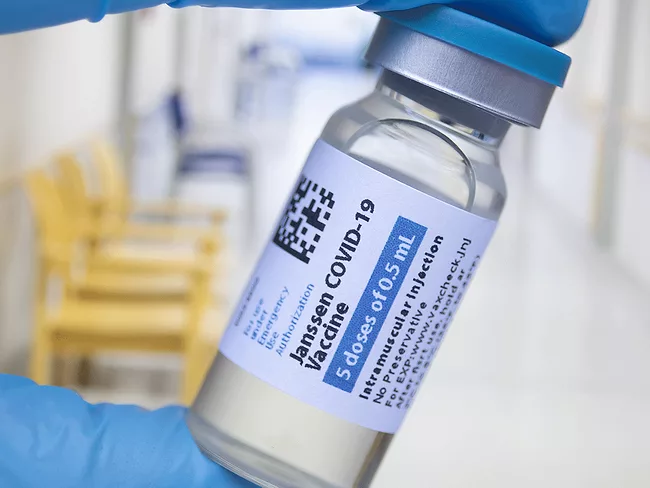
The FDA has authorized two batches of Johnson & Johnson’s COVID-19 vaccine from a troubled Emergent Biosolutions Inc. manufacturing facility to be made available under emergency use authorization (EUA) while determining that several other batches were unsuitable for use. While the FDA would not confirm the number of unsuitable batches, the newly authorized batches, however, can be used in the U.S. or exported.
 RSS
RSS