The FDA and the CDC have jointly recommended a temporary pause in the further rollout of Johnson & Johnson Co.’s COVID-19 vaccine while they investigate six rare clotting cases in adults ages 18 to 48.
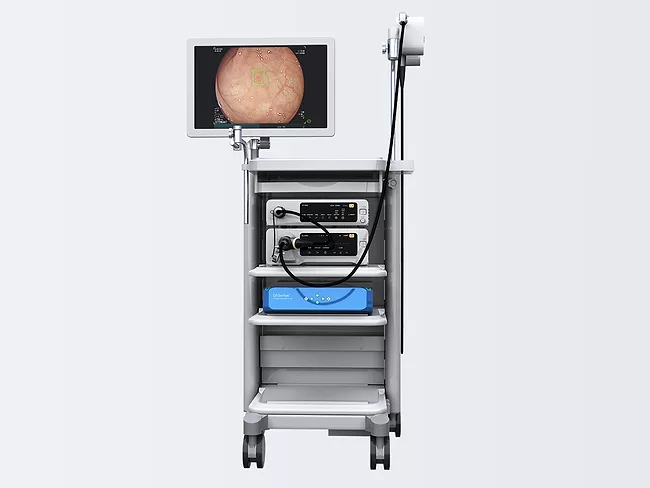
Cosmo Artificial Intelligence Ltd. received the FDA’s nod for its GI Genius intelligent endoscopy system. The device – the first of its kind, according to the agency – uses artificial intelligence (AI)-based on machine learning to improve the detection of lesions during colonoscopy. It will be rolled out in the U.S. by Medtronic plc, which has exclusive worldwide distribution rights.
The latest global regulatory news, changes and updates affecting medical devices and technologies, including: Medtronic recalls electrophysiology units over battery depletion; ASCA labs listed by FDA.
The authors of a recent journal article see problems with the FDA’s approach to premarket review of artificial intelligence (AI) algorithms, including an undue reliance on single-site algorithm development. Regulatory attorney Brad Thompson told BioWorld, however, that hospital administrators want algorithms that maximize accuracy for their populations and are not averse to in-house development of just such an algorithm, thus creating a source of tension between what hospitals want and what the FDA expects.
The latest global regulatory news, changes and updates affecting medical devices and technologies, including: HHS, DOJ officials highlight pandemic response needs; FDA says plenty of respirators available; NICE supports use of Danis for variceal hemorrhage.
The FDA told Provention Bio Inc. that its BLA under priority review for teplizumab needs some work but the May 27 advisory committee meeting to discuss the application in full is still on the calendar.
The FDA has its hands full with the impact of the mutations to the SARS-CoV-2 virus, but test developers can count on an ever-increasing base of data for those viruses thanks to a new contract taken by the CDC. The CDC indicated recently that its sequencing efforts and that of other organizations churned out nearly 14,000 sequences for the week of April 3, but Aegis Sciences Corp., of Nashville, Tenn., announced April 7 that it had undertaken an agreement to perform next-generation sequencing of samples from all 50 states and Puerto Rico, ensuring plenty of access to up-to-date information on those mutations.
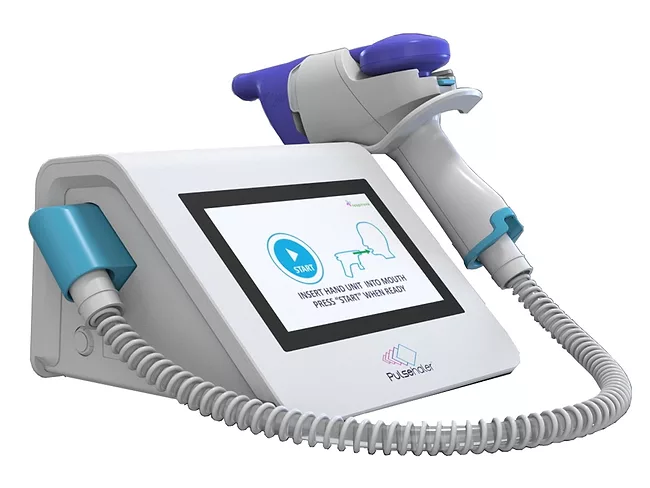
The management team at Respinova Ltd. is breathing easier with the FDA's 510(k) clearance of the company's Pulsehaler. Using pulsed air pressure, the device opens airways and clears secretions in patients with respiratory diseases. The clearance represents the device’s first endorsement by a regulatory agency, though the company hopes it will soon be joined by others.
The shortage of hearts for transplant is a matter of record for both cardiologists and patients, a problem that Transmedics Inc. proposed to solve with its Organ Care System (OCS). Despite several significant issues associated with the pivotal clinical study for the OCS, Transmedics snared a 12-5 vote that the benefits of the system outweigh the risks, an outcome that may bring at least some relief for heart transplant patients by mid-year if analyst expectations are on target.
 RSS
RSS