With a coronavirus task force briefing unfolding at the White House late on April 17, an FDA eager to show its ongoing commitment to tackling other disease amid the pandemic, granted accelerated approval to Incyte Corp.'s Pemazyre (pemigatinib), the first treatment approved for adults with certain types of previously treated, advanced cholangiocarcinoma.
The Trump administration has proposed a policy to gradually reopen the U.S. for business, part of which is to allow a resumption of elective procedures and treatments in outpatient settings. While patients with urgent medical needs presumably are being treated already, the policy would seem to promise a boost in volumes for certain devices, such as coronary artery stents, knee implants and transcatheter aortic valve replacement (TAVR) devices, all of which enjoy at least limited Medicare coverage for outpatient use.
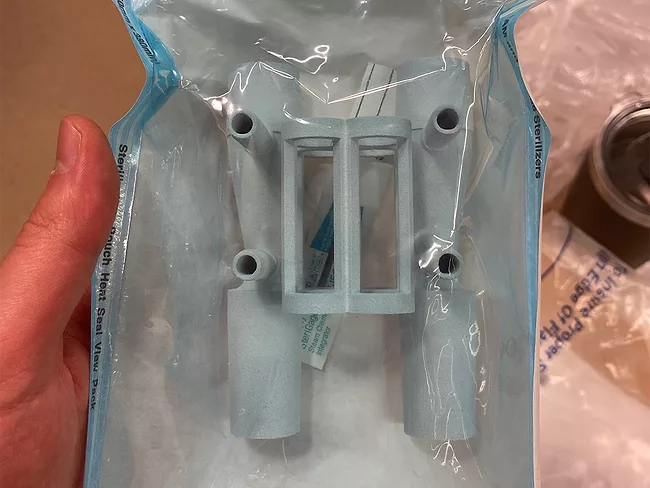
The U.S. FDA has granted emergency use authorization (EUA) to New Haven, Conn., startup Vent Multiplexor LLC for its emergency rescue co-ventilation device. Developed in collaboration with Yale New Haven Hospital, the Vent Multiplexor enables individualized mechanical ventilation of two adults on a single ventilator – lessening demand for more critical care machines in the ongoing COVID-19 outbreak.
The COVID-19 pandemic has moved rapidly over the past few weeks, and Ortho Clinical Diagnostics Inc. is doing its part to help during the crisis. To that end, the Raritan, N.J.-based company has worked to successfully secure an emergency use authorization (EUA) for its total antibody assay for COVID-19, the Vitros Immunodiagnostic Products Anti-SARS-CoV-2 total reagent pack and calibrators.
HONG KONG – South Korea’s Osang Healthcare Co. Ltd. became the first Korean company to receive the U.S. FDA’s emergency use authorization (EUA) for its COVID-19 test kit. In a letter dated April 18, 2020, the FDA informed Osang of its authorization for the company’s Genefinder COVID-19 Plus Realamp Kit.
With a coronavirus task force briefing unfolding at the White House late on April 17, an FDA eager to show its ongoing commitment to tackling other disease amid the pandemic, granted accelerated approval to Incyte Corp.'s Pemazyre (pemigatinib), the first treatment approved for adults with certain types of previously treated, advanced cholangiocarcinoma.
Looking ahead to COVID-19 strategies, Peter Marks, director of the FDA’s Center for Biologics Evaluation and Research (CBER), said vaccine studies might be done not in clinics but in the streets. “By definition, we’re probably not going to be able to vaccinate everyone simultaneously,” he noted.
As expected – and well ahead of the Aug. 20 PDUFA date – Bothell, Wash-based Seattle Genetics Inc. (Seagen) won FDA clearance for the oral small-molecule breast cancer therapy tucatinib, a tyrosine kinase inhibitor branded Tukysa.
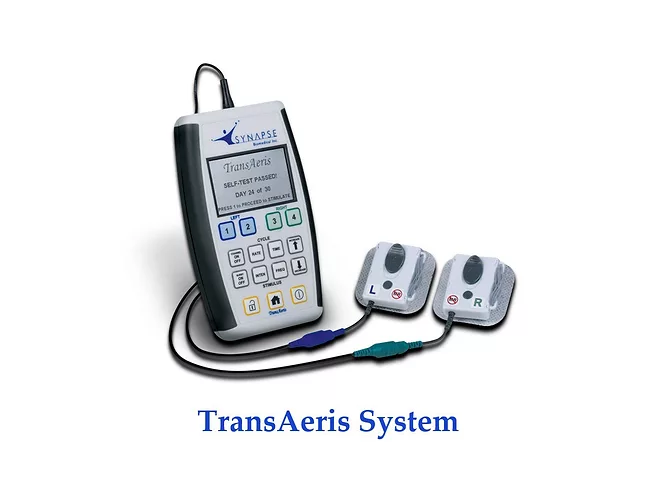
Case Western Reserve University spinout Synapse Biomedical Inc. has received emergency use authorization from the U.S. FDA for its Transaeris diaphragm pacing system (DPS) device to prevent and treat ventilator-induced diaphragm dysfunction (VIDD).
HONG KONG – South Korean biopharmaceutical company Kolon Tissuegene Inc. got a new lease on life as the U.S. FDA lifted the hold on the phase III trial for its lead candidate, Invossa-K (Invossa), for the treatment of osteoarthritis.

 RSS
RSS