Regenerative medicine company Mesoblast Ltd. received an early Christmas present from the FDA for approval of its allogeneic bone marrow-derived mesenchymal stromal cell (MSC) therapy, Ryoncil (remestemcel-L), for steroid-refractory acute graft-vs.-host disease (SR-aGvHD) in children 2 months and older, including adolescents.
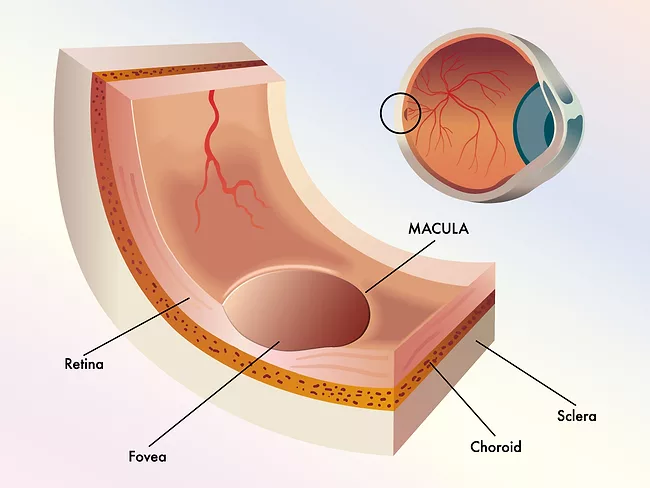
Vigeneron GmbH has received IND approval from the FDA for VG-801, a novel mRNA trans-splicing gene therapy to treat Stargardt disease and other retinal dystrophies associated with mutations in the ABCA4 gene. IND clearance enables initiation of a phase I/II trial, with a clinical trial application (CTA) submission to the EMA also planned in the coming months.
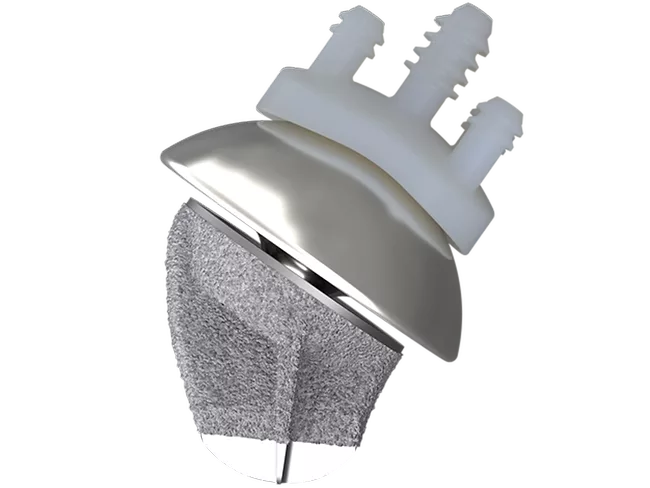
Smith & Nephew plc received U.S. FDA 510(k) clearance for Aetos Stemless, its stemless anatomic total shoulder implant. The greenlight for the device is a boon for the company’s orthopedics portfolio, which faces increasing pressure from U.S. competitors.
Released from a clinical hold by the U.S. FDA in late September, Biomea Fusion Inc.’s menin inhibitor, icovamenib, has charged ahead to produce positive top-line data from a phase II study in type 2 diabetes (T2D). The data, however, didn’t stop the stock from dropping to near its lowest level of the past 12 months.
Kura Oncology, Inc. and Kyowa Kirin Co. Ltd.’s selective oral menin inhibitor ziftomenib showed encouraging data across multiple studies, the most encouraging of which were in combination with other standard of care therapies in patients with NPM1-mutant and KMT2A-rearranged acute myeloid leukemia.
Caliway Biopharmaceuticals’ lipolysis candidate, CBL-514, met all the primary and secondary efficacy endpoints in a phase IIb study for subcutaneous fat reduction, paving the way for the company to begin a global pivotal phase III study in 2025.
Becton, Dickinson and Co. reached an agreement with the U.S. Securities and Exchange Commission (SEC) to resolve an investigation related to allegations that the company misled investors regarding the Alaris infusion system, which BD added to its portfolio with the $12.2 billion acquisition of Carefusion in 2015. BD will pay a $175 million civil penalty and agreed to a cease and desist order for the device.
A year after manufacturing issues resulted in a complete response letter for cosibelimab, the U.S. FDA approved Checkpoint Therapeutics Inc.’s drug, branded Unloxcyt, as the first anti-PD-L1 antibody for use in metastatic or locally advanced cutaneous squamous cell carcinoma patients who are not candidates for curative surgery or curative radiation.
While Spruce Biosciences Inc.’s tildacerfont missed its phase II primary endpoint in classic congenital adrenal hyperplasia (CAH) last March, the U.S. FDA approved Crenessity (crinecerfont) from Neurocrine Biosciences Inc. for treating pediatric and adult CAH patients. The nod could lead the drug to become a blockbuster, analysts said.
Heartbeam Inc. received U.S. FDA 510(K) clearance for its portable, non-invasive electrocardiogram system that enables on-the-go recording of heart signals. The cable-free, credit card-sized device uses five electrodes to capture signals from three directions and can be used whenever a patient feels symptoms, overcoming the challenge of identifying intermittent arrhythmias, which are often not experienced during scheduled appointments, without requiring patients to wear a device continuously.
 RSS
RSS


.webp?height=488&t=1670008838&width=650 "Acute myeloid leukemia")