Adipose triglyceride lipase (ATGL), a central mediator of triglyceride hydrolysis and fatty acid mobilization, modulates hepatic lipid homeostasis and metabolic signaling pathways that contribute to the activation of fibrogenic responses.
Researchers from Ospedale San Raffaele presented the preclinical characterization of SR-1891, a long-acting capsid assembly modulator (CAM) in models of chronic hepatitis B. In Hepa D38 cells, the compound exhibited EC50 and EC90 values of 0.2 and 0.8 nM, respectively, without any detectable cytotoxicity.
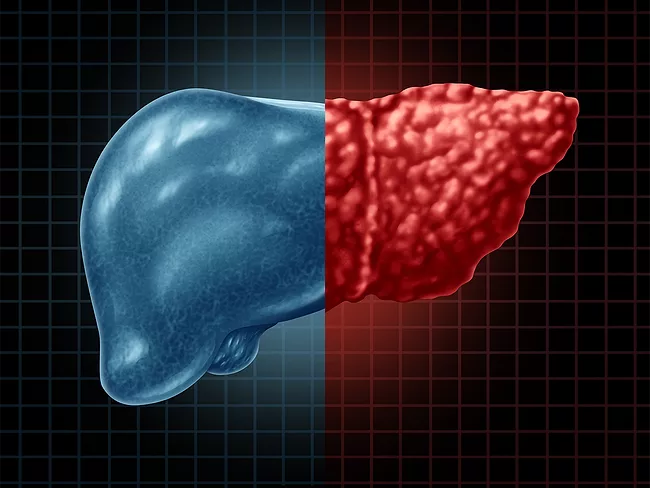
Alterations in PNPLA3, particularly the I148M variant, impair lipid metabolism in hepatocytes, leading to lipid accumulation and driving progression from steatosis to fibrosis and cirrhosis. Targeting this genetic driver may offer a strategy to reduce steatosis and limit disease progression.
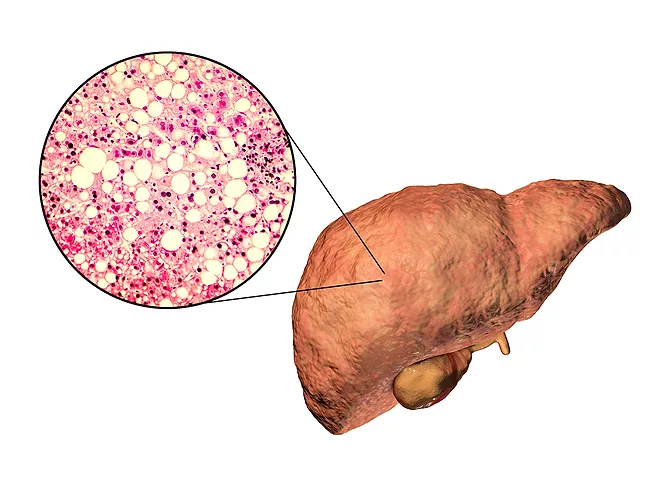
Metabolic dysfunction-associated steatohepatitis (MASH) is characterized by lipid accumulation in the liver and inflammation. Sterol O-acyltransferase 2 (SOAT2) is a key enzyme in intestinal absorption and hepatic secretion of cholesterol. PRD Therapeutics Inc. has developed PRD-001, a selective SOAT2 inhibitor currently in phase I trials for MASH.
Several presentations at EASL highlight a new generation of therapies coming into view, with the work from Tune Therapeutics Inc. standing out as one of the most relevant for the novelty it represents and the step forward it signals. The company is investigating the use of TUNE-401 as a potential treatment for hepatitis B.
In the treatment of hepatocellular carcinoma (HCC), the long-term benefits of second-line tyrosine kinase inhibitors such as sorafenib are often limited by resistance mechanisms and adverse effects. The deubiquitinase ubiquitin carboxyl-terminal hydrolase L1 (UCH-L1) is upregulated in advanced HCC disease and has been linked to poor prognosis and treatment resistance.
Researchers from Pilatus Biosciences SA recently presented preclinical efficacy data for PLT-012, a humanized IgG4 antibody targeting CD36, in metabolic dysfunction-associated steatohepatitis (MASH) models.
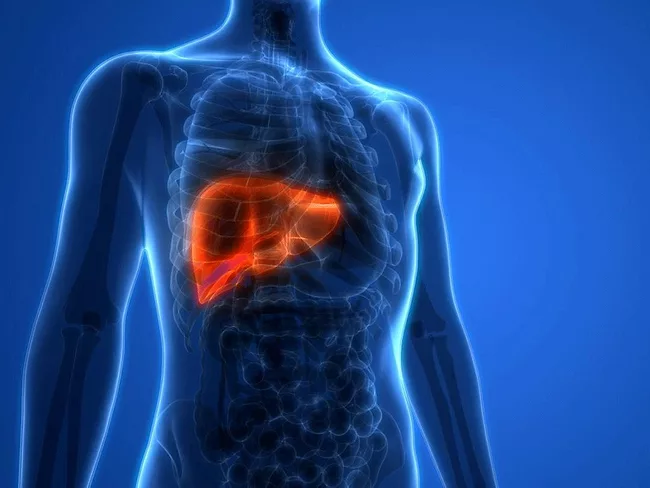
At the recently concluded European Association for the Study of the Liver meeting, presentations underscored how increasingly granular insights into liver pathobiology are driving the rapid identification of new druggable targets across diverse indications.
Currently available treatments for chronic hepatitis D virus (HDV) infection rarely result in a cure after a defined treatment period. Researchers from Aligos Therapeutics Inc. hypothesized that antisense oligonucleotides (ASOs) targeting HDV RNAs may inhibit intracellular HDV RNA amplification.
Progressive familial intrahepatic cholestasis type 3 (PFIC3) is a genetic liver disorder caused by mutations in the ABCB4 gene encoding multidrug resistance protein 3 (MCP3) in humans, a biliary phospholipid transporter. Rectify Pharmaceuticals Inc. has developed the novel compound RTY-694, a dual-acting MDR3/BSEP positive modulator that increased the protein function of both MDR3 and BSEP.
 RSS
RSS