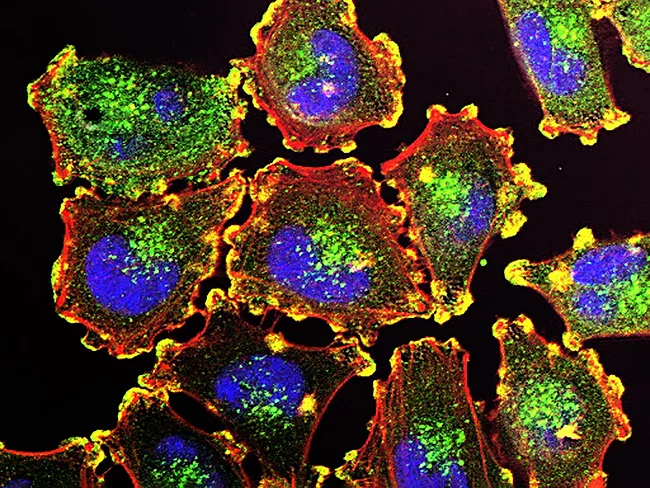
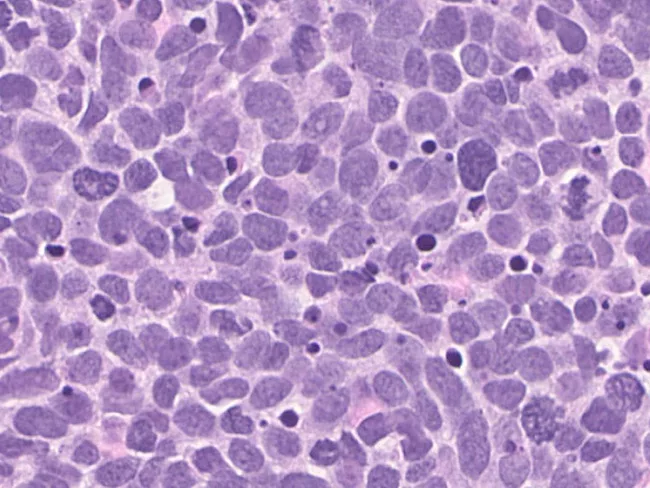
Melanoma is the most aggressive form of skin cancer and often spreads to the brain. Though immunotherapy has greatly improved the outlook for even metastatic melanoma patients, once melanoma brain metastases (MBM) develop, prognosis worsens, and available therapeutic options decline. Scientists at the Institute for Neurosciences (IN), a joint center of the Spanish National Research Council (CSIC) and the Miguel Hernández University of Elche (UMH) have found a way to tackle MBM through microglial reprogramming.
Redx Pharma plc has divulged Rho kinase 1 (ROCK1) and 2 (ROCK2) inhibitors reported to be useful for the treatment of autoimmune disease, cancer, fibrosis, inflammatory and neurological disorders.
Shanghai Yidi Biotechnology Co. Ltd. has synthesized proteolysis targeting chimeras (PROTACs) comprising an E3 ubiquitin ligase coupled to an androgen receptor targeting moiety via a linker reported to be useful for the treatment of spinal and bulbar muscular atrophy, prostate and breast cancer.
Shenzhen Zhongge Biotechnology Co. Ltd. has disclosed tyrosine-protein phosphatase non-receptor type 2 (PTPN2; TCPTP) inhibitors reported to be useful for the treatment of cancer.
Oncolytic viruses are therapeutic agents used for in situ immunization in cancer immunotherapy. Unfortunately, its efficacy is particularly limited in solid tumors expressing stimulator of interferon genes (STING) and retinoic acid-inducible gene I (RIG-I).
Triple-negative breast cancer (TNBC) is one of the most aggressive and difficult-to-treat forms of breast cancer, lacking targeted therapies due to its molecular characteristics. Tumor-associated neutrophils (TANs), particularly the pro-tumor N2-type, contribute to TNBC progression and resistance to treatment.
Hepatocellular carcinoma (HCC) is an aggressive disease that accounts for 80%-90% of all primary liver cancers. Previous findings have shown fibroblast growth factor 19 (FGF-19) to be overexpressed in up to 30% of HCC cases, exerting its oncogenic effect through its receptors fibroblast growth factor receptor 3 (FGFR3) and FGFR4.
Ariceum Therapeutics GmbH’s radiopharmaceutical 225Ac-SSO110 ([225Ac]satoreotide tetraxetran) has been awarded orphan drug designation by the FDA for the treatment of small-cell lung cancer (SCLC). [225Ac]Satoreotide is a first-in-class Actinium-labeled somatostatin SST2 receptor antagonist.
Newco Akribion Therapeutics GmbH has raised €8 million (US$8.3 million) in a seed round to develop a new and potent class of RNA-targeted CRISPR nucleases, which, rather than cleaving specific nucleic acids, can destroy every type of nucleic acid in a cell.
 RSS
RSS