A patent from Nanjing Mingde New Drug Research Co. Ltd. and Zhangzhou Pientzehuang Pharmaceutical Co. Ltd. details the identification of salts of interleukin-1 receptor-associated kinase 4 (IRAK-4) degradation inducers reported to be useful for the treatment of diffuse large B-cell lymphoma.
Shanghai Fosun Pharmaceutical (Group) Co. Ltd. has patented new tricyclic compounds acting as serine/threonine-protein kinase ATR inhibitors and thus reported to be useful for the treatment of colon cancer.
Adcentrx Therapeutics Inc. has received FDA clearance of its IND application for ADRX-0405 for the treatment of select advanced solid tumors. A first-in-human phase Ia/b trial of ADRX-0405 in patients with select advanced solid tumors, including metastatic castration-resistant prostate cancer, will begin enrollment and dosing this quarter.
Researchers from Kexing Biopharm Co. Ltd. have published details on the development and preclinical characterization of GB18-06, a novel nanobody, also known as variable domain of heavy-chain antibody (VHH), targeting growth differentiation factor 15 (GDF15) and being developed for the treatment of cachexia.
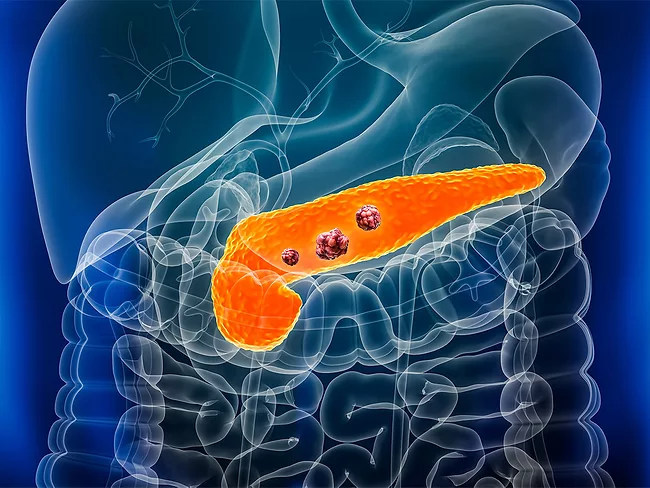
Repeated RNA elements have a virus-like behavior in the cells that express them. Furthermore, they could confer a novel mode of tumor expansion based on changes in cellular states. “About 10 years ago, we had identified that these repetitive elements were highly expressed in pancreas cancer,” co-senior author David Ting, associate professor of medicine and assistant physician at the Mass General Cancer Center at Harvard Medical School, told BioWorld.
Jiangsu Hengrui Medicine Co. Ltd. and Shanghai Hengrui Pharmaceutical Co. Ltd. have disclosed new GTPase KRAS (G12D mutant) inhibitors reported to be useful for the treatment of cancer.
The anti-HER2 biparatopic antibody (bpAb) KJ-015 was rationally designed at Shanghai Bao Pharmaceuticals Co. Ltd. by leveraging published antibody-antigen structures to share common light chain with two Fab arms, resulting in functionally balanced high affinity for two HER2 nonoverlapping epitopes.
Investigators from the University of Michigan and affiliated organizations published data from a study that aimed to investigate the role of cyclin-dependent kinase 12 (CDK12) in prostate cancer (PCa). Both in vivo and in vitro systems were developed to test the impact of Cdk12 ablation in the context PCa.

 RSS
RSS