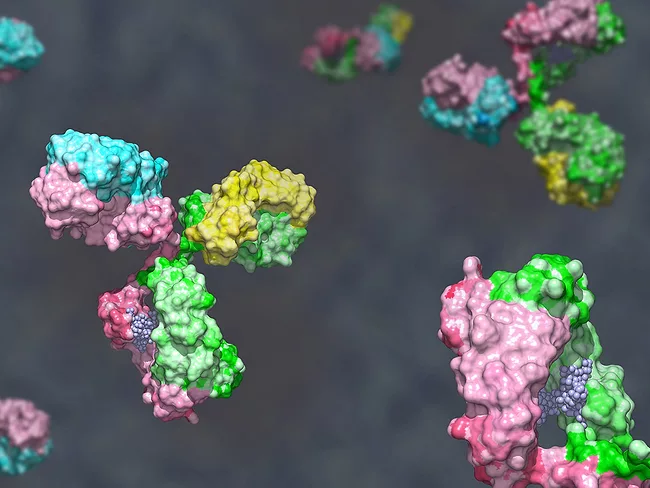
HERV-H LTR-associating protein 2 (HHLA2) is known to play immunosuppressive roles by interacting with killer cell immunoglobulin-like receptor 3DL3 (KIR3DL3). The expression of HHLA2 in cancer is associated with poor patient outcomes, making it a promising therapeutic target for immunotherapy. Nextpoint Therapeutics Inc. has presented data on their monoclonal antibodies NPX-267 and NPX-887, which target KIR3DL3 and HHLA2, respectively.
Ascentage Pharma Group Corp. Ltd. and Ascentage Pharma (Suzhou) Co. Ltd. have synthesized GTPase KRAS (G12D mutant) inhibitors reported to be useful for the treatment of cancer.
Lift Biosciences Ltd. has been awarded a grant of over £1 million (US$1.3 million) from Innovate UK that will fund a collaboration between Lift and researchers at the University of Cambridge.
Breast cancer is a heterogenous disease in terms of its prognosis and treatment response. Metabolic reprogramming is a potential therapeutic target because of its repercussion on oncogenesis.
Immunotherapy-based cancer vaccines could permanently kill tumors by stimulating immune cells in multiple ways. At the 27th Annual Meeting of the American Society of Gene & Cell Therapy (ASGCT), researchers presented their advances in this field with different techniques in the scientific symposium “Novel nucleic acid and cell-based vaccines for cancer,” organized by the infectious diseases and vaccines committee.
Newco Commit Biologics ApS has arrived on the scene after raising €16 million (US$17.2 million) in a seed round to advance bispecific antibodies that are designed to activate the complement system and direct it to selectively kill cancer cells.
Impact Therapeutics (Shanghai) Inc. has disclosed ubiquitin carboxyl-terminal hydrolase 1 (USP1) inhibitors reported to be useful for the treatment of cancer.

 RSS
RSS