Fosun Pharmaceutical (Group) Co. Ltd. has received the approval from China’s National Medical Products Administration (NMPA) to initiate a clinical trial of FXB-0871 (TEV-56278) for the treatment of locally advanced or metastatic solid tumors.
A new pan-cancer study has uncovered a shared vulnerability across multiple aggressive cancers and sheds light on the role that BRCA1-associated protein 1 (BAP1) plays in recognizing DNA damage. Researchers from Duke-National University of Singapore (NUS) Medical School in Singapore discovered that the loss of BAP1 – a mutation found in mesothelioma, cholangiocarcinoma, renal cell carcinoma and uveal melanoma – creates a specific defect in how cancer cells recognize and repair DNA damage.
Shanghai Meiyue Biotech Development Co. Ltd. has disclosed new molecular glue degraders comprising an E3 ubiquitin-protein ligase binding agents coupled to proto-oncogene Vav (VAV1) acting as VAV1 degradation inducers reported to be useful for the treatment of cancer, autoimmune diseases, cardiovascular, renal, metabolic, inflammatory and neurological disorders.
Chia Tai Tianqing Pharmaceutical Group Co. Ltd. has discovered new tricyclic compounds acting as cyclin-dependent kinase 12 (CDK12)/cyclin k inhibitors reported to be useful for the treatment of cancer.
Ring finger protein 4 (RNF4) is a SUMO-targeted ubiquitin ligase that modulates proteins involved in cancer progression. Researchers from Chongqing Medical University and collaborators reported the development and preclinical characterization of [I], the first RNF4-targeting PROTAC degrader for the treatment of hepatocellular carcinoma (HCC).
Researchers from Sichuan University reported the discovery and preclinical characterization of a new series of covalent ULK1 inhibitors. ULK1 is frequently overexpressed in colorectal cancer (CRC) and is therefore being investigated as a therapeutic target to disrupt autophagy-dependent tumor survival and growth.
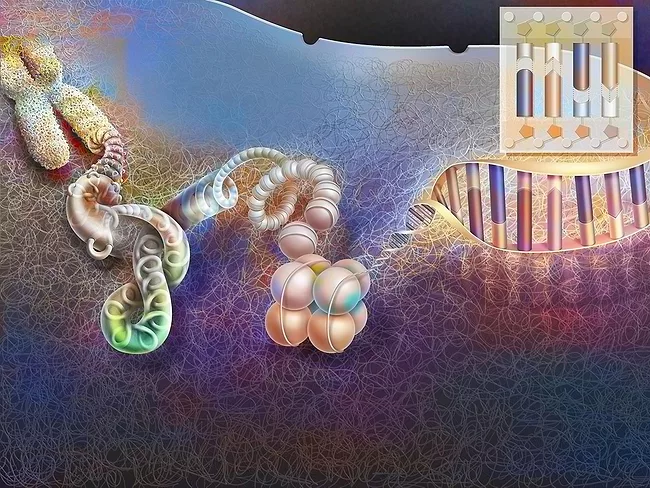
Tippingpoint Biosciences Inc. has closed an oversubscribed $4.5 million seed financing. The company, spun out of a lab at University of California, San Francisco (UCSF), is advancing its novel drug discovery platform designed to identify first-in-class drugs to treat diseases related to dysfunctional DNA packaging (chromatin).
Telomir Pharmaceuticals Inc. has submitted an IND application to the U.S. FDA for its lead candidate, Telomir-1 (Telomir-Zn), for the treatment of advanced and metastatic triple-negative breast cancer (TNBC). Telomir-1 is a first-in-class metal-modulating epigenetic agent designed to restore transcriptional control in tumor cells by targeting intracellular iron-zinc homeostasis.
Hematopoietic stem cell (HSC) research over the past century has shown that leukemia may be driven by an invisible hand of inflammation. The bone marrow and inflammation, then, may hold the keys to preventing blood cancers, according to John E. Dick’s plenary session at the 2026 Korean Society of Hematology International Conference (ICKSH 2026), held March 26, 2026. Work in Dick’s lab has found acute myeloid leukemia (AML) HSCs that harbor preleukemic mutations long before any disease diagnosis. These insights have enabled predictive models that could identify individuals at elevated AML risk years before the onset of outright disease, opening the door to new prevention strategies.
The University of Toronto has patented new histone deacetylase 6 (HDAC6) inhibitors designed for use in the treatment of cancer, inflammation, neurodegeneration, infections, renal, neuromuscular, respiratory disorders and cardiometabolic syndrome.
 RSS
RSS