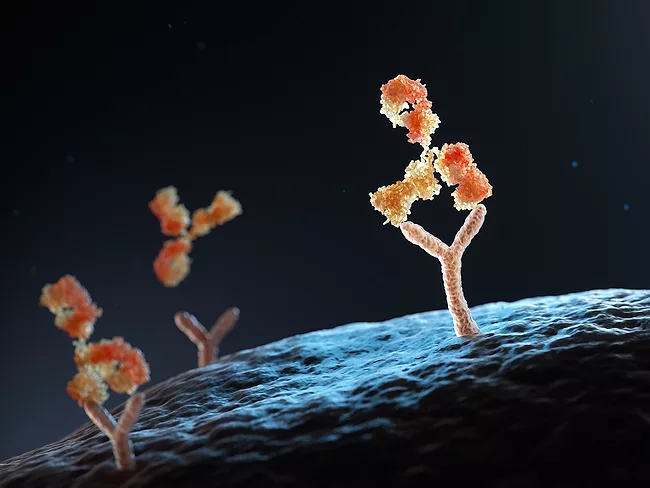
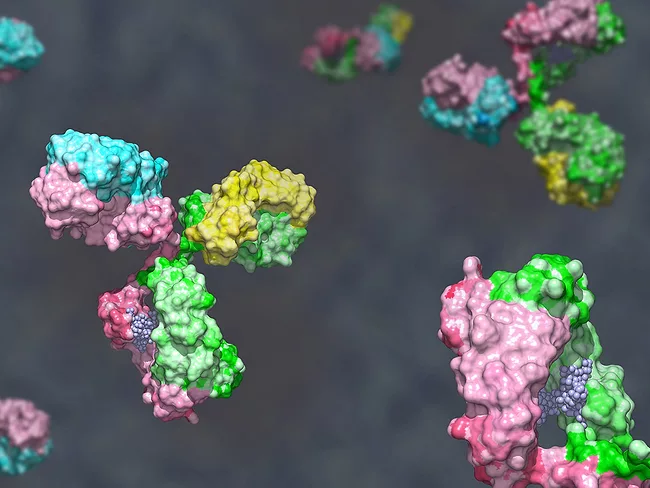
Voltron Therapeutics Inc., a portfolio company of Lucius Partners LLC, has finalized the protocol for a preclinical dose-ranging efficacy study of VTX-0P4, a protein-based cancer vaccine targeting prostate stem cell antigen (PSCA), a key target in the treatment of prostate cancer.
Newco T-Therapeutics Ltd. has raised £48 million (US$59 million) in a series A to advance development of T-cell receptors generated by its transgenic mouse platform for the treatment of solid tumors, autoimmune diseases and infections. In cancer, the specificity of T-Therapeutics’ molecules will overcome shortcomings of immuno-oncology drugs such as checkpoint inhibitors that stimulate a response to some cancer neo-antigens but are unable to recognize cancer-specific self-antigens.
Graviton Bioscience BV has described Rho kinase 2 (ROCK 2; ROCKα) inhibitors reported to be useful for the treatment of cancer, fibrosis, autoimmune, lung, cardiovascular, eye, inflammatory and neurological disorders.
Legochem Biosciences Inc. has synthesized Toll-like receptor 7 (TLR7) and/or TLR8 agonists reported to be useful for the treatment of cancer, HIV infection, and hepatitis B virus infection.
Researchers from Apeximmune Therapeutics Inc. presented the discovery and preclinical evaluation of AIM-104, a novel potent pan-allele anti-SIRPα antibody for the treatment of cancer.
Vivace Therapeutics Inc. has synthesized transcriptional coactivator YAP1/TEAD and/or TAZ/TEAD interaction inhibitors reported to be useful for the treatment of cancer, polycystic kidney and hepatic fibrosis.
Synnovation Therapeutics Inc. has disclosed phosphatidylinositol 3-kinase α (PI3Kα) inhibitors reported to be useful for the treatment of cancer, PIK3CA-related overgrowth spectrum (PROS) and CLOVES syndrome (congenital lipomatous overgrowth, vascular malformations, epidermal naevi and skeletal abnormalities).
Work at Laekna Therapeutics Shanghai Co. Ltd. has led to the discovery of a potent leukocyte immunoglobulin-like receptor subfamily B member 1/2 (LILRB1/LILRB2) antagonistic bispecific antibody, LAE-111, with improved antitumor activity.
The GOBACK study analyzed germline susceptibility in children with birth defects and a cancer diagnosis, including a total of 47 probands. Whole-genome sequencing was performed, and researchers evaluated single-nucleotide variants, insertion/deletion variants, as well as copy number variations.
 RSS
RSS