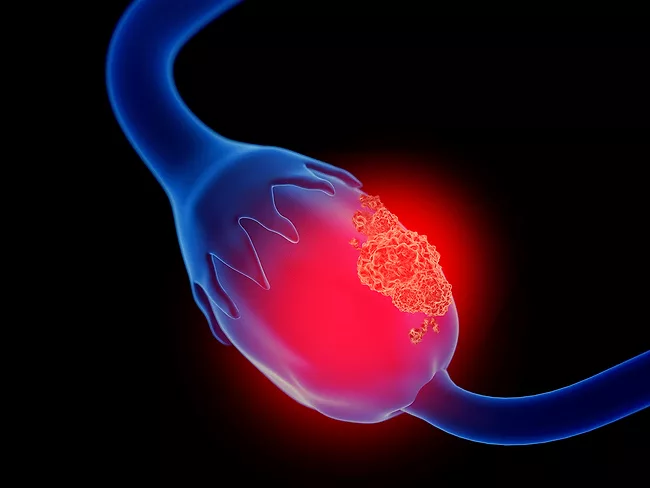
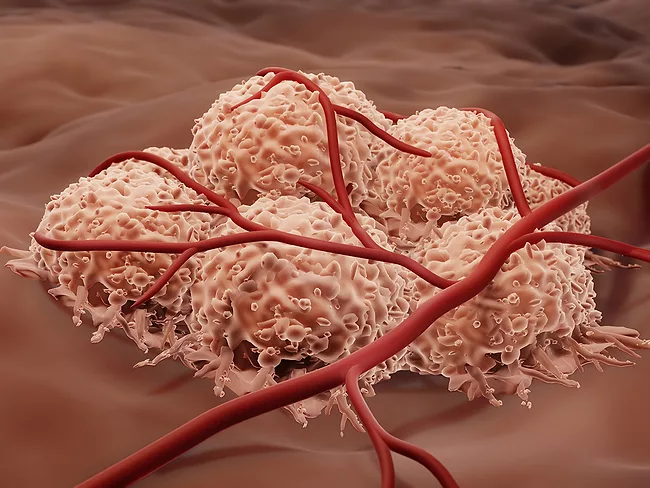
It has been previously demonstrated that glypican-3 (GPC3) is differentially expressed in hepatocellular carcinomas (HCC), making it a promising target for radiopharmaceutical therapy to treat HCC. At the ongoing meeting of the European Association of Nuclear Medicine in Vienna, researchers from Rayzebio Inc. and Peptidream Inc. presented the preclinical characterization of a novel proprietary peptide binder of GPC3, RAYZ-8009.
Osimertinib is a third-generation epidermal growth factor receptor (EGFR) tyrosine kinase inhibitor with documented efficacy in non-small-cell lung cancer. However, in most cases, patients develop resistance to this treatment by mechanisms that are not clear in half of the cases. Researchers from Shanghai Pulmonary Hospital presented data on BC-3448, a bispecific antibody targeting EGFR and CD3 aimed to recruit T cells to tumors with high EGFR expression leading to T cell-driven tumor cell killing. The compound presents a stronger binding affinity for EGFR than for CD3 to avoid the development of cytokine release syndrome, which is a safety issue common in CD3-based bispecific antibodies.
Insilico Medicine IP Ltd. has synthesized membrane-associated tyrosine- and threonine-specific Cdc2-inhibitory kinase (PKMYT1) inhibitors reported to be useful for the treatment of cancer.
Merck Sharp & Dohme Corp. has disclosed adenosine A2A (ADORA2A) and/or A2B (ADORA2B) receptor antagonists reported to be useful for the treatment of cancer.
Researchers at Xuzhou Medical University have evaluated the inhibitory effect of mitochondrial metabolism inhibitor mitolonidamine (Mito-LND) on the growth of glioblastoma (GBM) cells and studied its potential mechanism.
Researchers from the Royal Melbourne Hospital and Peter MacCallum Cancer Centre, along with other affiliated organizations, have published details on the synthesis and in vivo characterization of a novel series of 177Lu-labeled peptides with strong binding affinity to the cholecystokinin CCK2 receptor, an important molecular target which is highly expressed in a range of cancers.
Proteros Biostructures GmbH has established a new collaboration with Orion Corp. The two companies are engaging in a joint multitarget collaboration for early-stage drug discovery projects in oncology and pain using Proteros’ discovery platform, and now have decided to combine their expertise to assemble a chemically diverse small-molecule library collection. The nonexclusive agreement enables Proteros to exclusively offer access to this high throughput screening (HTS) library to all its clients.
 RSS
RSS