Treatment failure after repeated administration of cisplatin, one of the most used cancer chemotherapeutics, is due to either development of treatment resistance or chemotherapy-induced neuropathic pain.
Shanghai Euregen Biopharma Co. Ltd. has divulged menin (MEN1)/MLL interaction inhibitors reported to be useful for the treatment of cancer, autoimmune disease, diabetes and nonalcoholic fatty liver disease).
Ubix Therapeutics Inc. has identified proteolysis targeting chimeras (PROTACs) comprising cereblon (CRBN) ligands coupled to a Bruton tyrosine kinase (BTK) targeting moiety via linker acting as BTK degradation inducers reported to be useful for the treatment of cancer and autoimmune disease.
Sanford-Burnham Medical Research Institute has disclosed baculoviral IAP repeat-containing protein 7 (BIRC7; ML-IAP) inhibitors reported to be useful for the treatment of cancer.
Intron Biotechnology Inc. has announced the identification of lysogenic bacteriophages prophage and jamphage in the pancreatic cancer-related microbiome. This identification was achieved as part of the ongoing Phageriarus development project that is focused on acquiring bacteriophage-derived proteins that can serve as immune regulators, with the ultimate goal of developing phage-based immunotherapeutics for immune disorders and cancer.
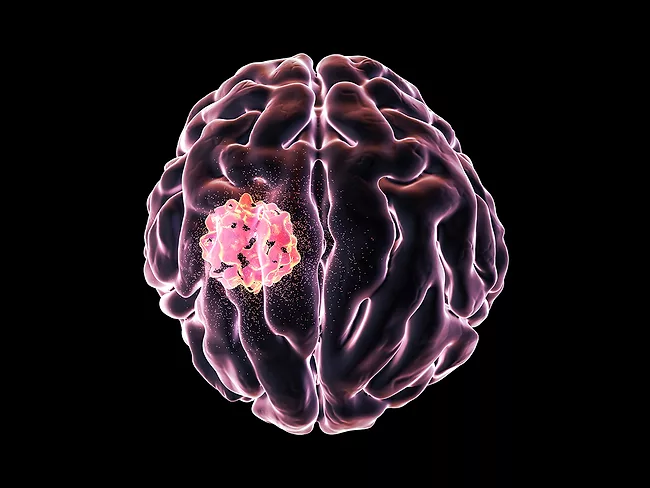
Glioblastoma multiforme (GBM) is an aggressive brain cancer with poor prognosis and survival. TNF-related apoptosis-inducing ligand (TRAIL) is a protein that induces apoptosis in cancer cells by binding death receptors type 4 and 5. Researchers at the University of North Carolina explored using hiNeuroS-TRAIL combined with the ClpP activator TR-107 as a potential treatment.
Researchers from Healios K.K. presented preclinical data for HLCN-061, a novel gene-engineered human induced pluripotent stem cell (iPSC)-derived NK cell product being developed for the treatment of solid tumors.
Renal medullary carcinoma (RMC) is characterized by the complete loss of the SMARCB1 tumor suppressor, and it predominantly affects individuals with sickle cell trait (SCT), characterized by increased sickling of red blood cells in the renal medulla. It has been previously demonstrated that RMC tumors show a hypoxia signature, and in a recent study, researchers from MD Anderson Cancer Center aimed to investigate the connection between SMARCB1 loss and hypoxia under the setting of SCT.

 RSS
RSS