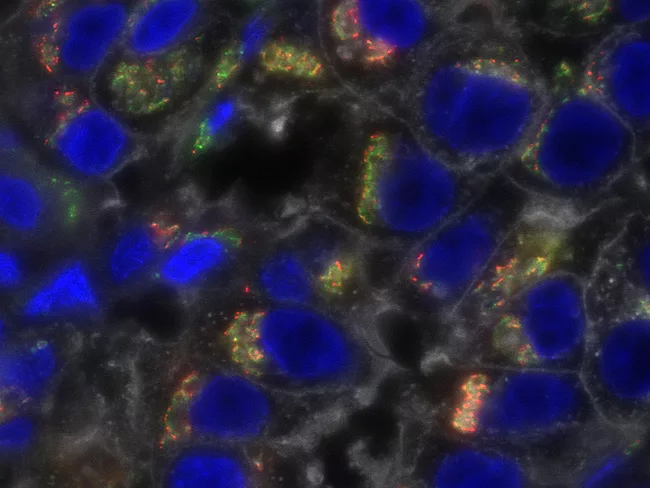
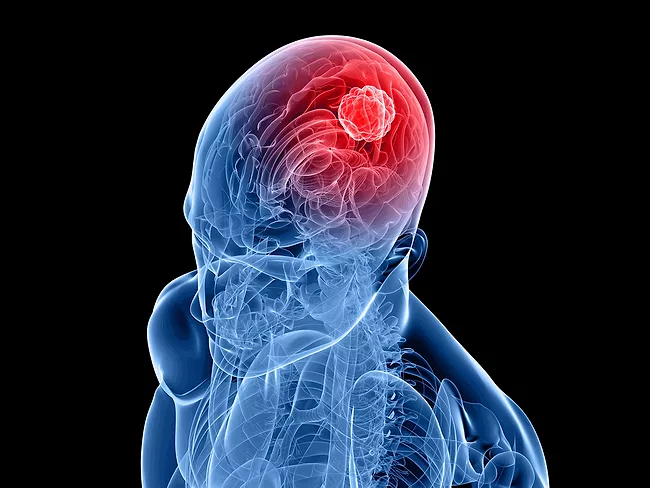
A study of more than a thousand tumor samples, led by the Weizmann Institute of Science in Israel, gives valuable insight into the different gene expression patterns seen in different cancers. The new findings could help address challenges associated with targeting many types of tumors, which are hard to treat in large part due to the variable nature of their cells and gene expression patterns, by helping to create better targeted therapeutics.
Ranok Therapeutics (Hangzhou) Co. Ltd. has divulged proteolysis targeting chimeras (PROTACs) comprising an E3 ubiquitin ligase binding moiety covalently coupled to a GTPase KRAS (G12D mutant) targeting moiety through a linker reported to be useful for the treatment of cancer.
Mesenchymal glioblastoma, a phenotype associated with poor clinical outcomes, is characterized by the expression of CD44 and chitinase 3-like protein 1 (CHI3L1) in mesenchymal glioma stem cells (GSCs). CHI3L1 has been implicated in several oncogenic pathways driving mesenchymal differentiation. However, the role of CHI3L1 as a paracrine modulator of GSC states, as well as the transcriptional regulatory network induced by CHI3L1 in GSCs, remains unknown.
By interfering with mitochondrial plasticity, researchers have succeeded in attenuating brain metastases of HER2-expressing breast tumors. The authors wrote that their findings “highlight targeting mitochondrial dynamics is a viable therapeutic opportunity to limit both brain tumors and metastasis.”
National Institute of Pharmaceutical R&D Co. Ltd. has identified Toll-like receptor 8 (TLR8) agonists reported to be useful for the treatment of cancer and viral infections.
Chongqing Fochon Pharmaceuticals Co. Ltd. has divulged apoptosis regulator Bcl-2 inhibitors reported to be useful for the treatment of cancer, Addison’s disease, allergy, asthma, atherosclerosis, ankylosing spondylitis, Alzheimer’s disease and systemic lupus erythematosus, among others.
 RSS
RSS