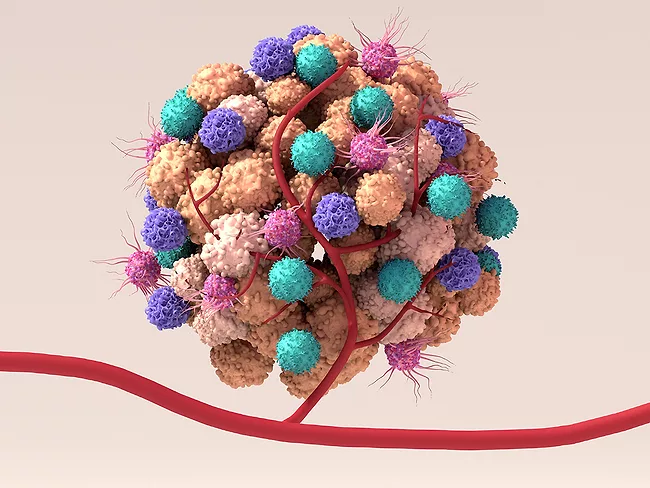
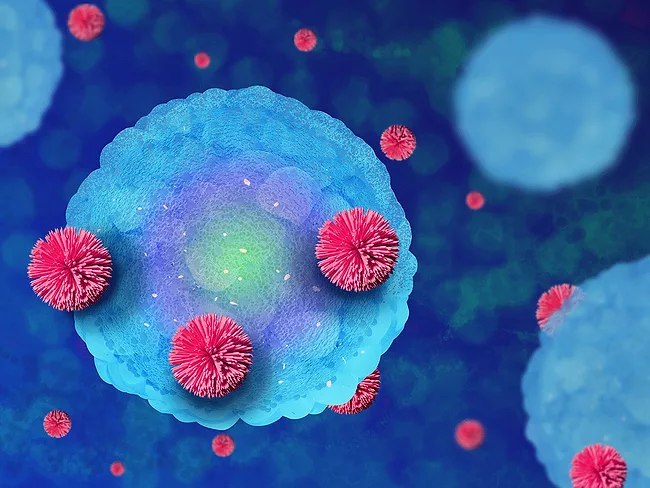
Carcinoembryonic antigen-related cell adhesion molecule 1 (CEACAM1) is an inhibitory factor on natural killer (NK) and T cells and is expressed in several cancer types and immune cells such as macrophages and neutrophils. Researchers from Suzhou Neologics Bioscience Co. Ltd. have investigated CEACAM1 as a potential target for cancer immunotherapy.
Researchers from Novartis AG recently reported on the preclinical activity of IAG-933, a first-in-class YAP1/TAZ pan-TEAD protein-protein interaction...
Research at Beijing Scitech-Mq Pharmaceuticals Ltd. has led to the identification of inhibitors of epidermal growth factor receptor (EGFR; HER1; erbB1) and its mutants which are reported to be useful for the treatment of cancer and autoimmune diseases.
Petra Pharma Corp. has patented phosphatidylinositol 3-kinase α (PI3Kα, PIK3CA) (H1047R mutant) allosteric inhibitors reported to be useful for the treatment of cancer, congenital lipomatous overgrowth, vascular malformations, epidermal naevi and skeletal abnormalities and PIK3CA-related overgrowth spectrum.
High levels of adenosine known to stimulate tumor immunoevasion are formed by the ecto-5’-nucleotidase enzyme (CD73) conversion of adenosine monophosphate to adenosine. CD73 is a cell surface enzyme that is overexpressed in many cancer types where this overexpression has been correlated with a poor prognosis.
Neuroblastoma is among the deadliest cancers in infants, with frequent relapse and long-term survival being <10%. Recently, it has been found that protein RD3 is constitutively expressed in healthy adult and fetal tissues beyond the retina, and it follows a gradient expression from high to low levels in ganglioneuroma and neuroblastoma.
Triple-negative breast cancer (TNBC) constitutes the most aggressive form of breast cancer and presents a high frequency of relapse. The available treatment options are limited and accompanied by resistance and significant treatment side effects.
 RSS
RSS