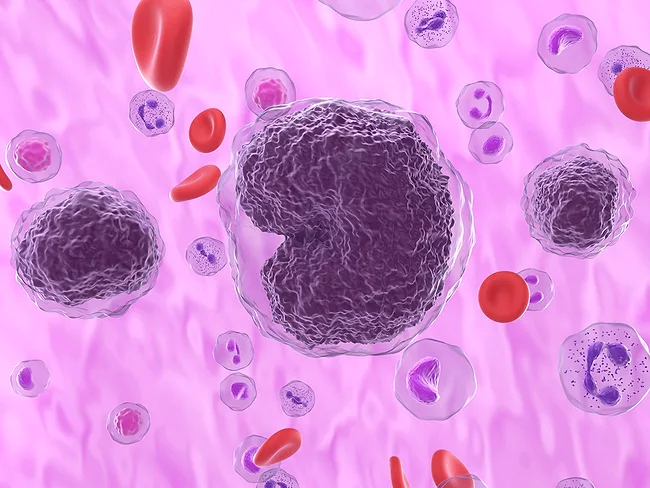
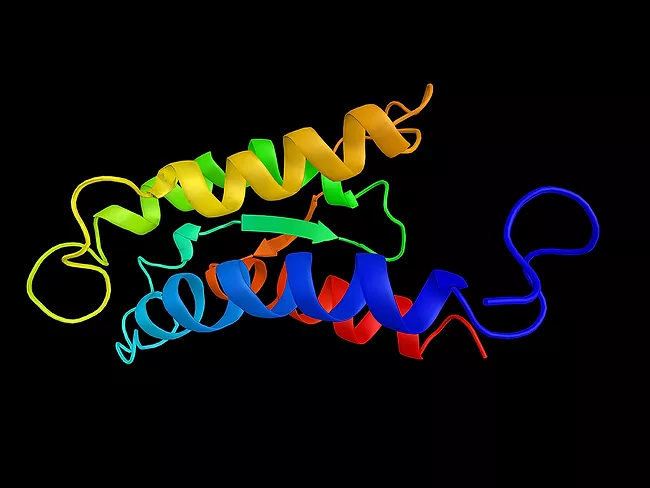
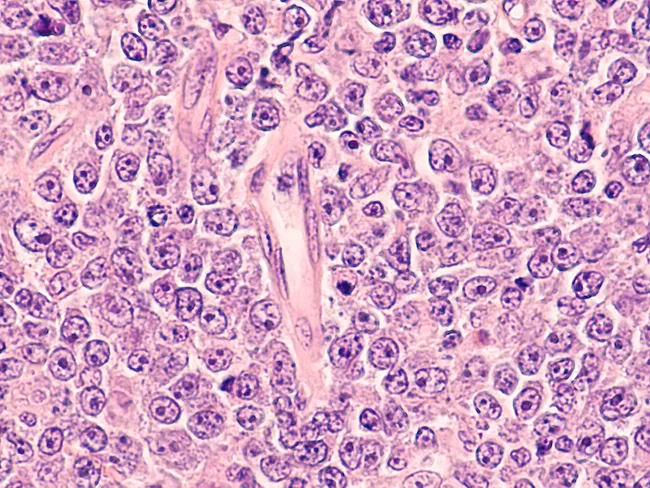
Researchers from Fochon Biosciences Ltd. have reported the discovery and preclinical evaluation of a novel second-generation B-cell lymphoma 2 (BCL2) inhibitor, FCN-683, being developed for the treatment of B-cell malignancies. FCN-683 showed the ability to potently and selectively inhibit both wild-type BCL2 (IC50=0.11 nM) and multiple clinically relevant venetoclax-resistant mutants, including G101V, D103E/V/Y, F104L, A113G, R129L and V156D.
Salarius Pharmaceuticals Inc. has completed two GLP toxicology studies with its targeted protein degrader SP-3164, with no unexpected safety findings reported. These results will be included in an IND application that the company plans to submit to the FDA this quarter.
A novel bispecific immunotherapy developed by Roche AG to target pancreatic cancer showed promising results combined with radiation therapy in preclinical trials carried out at the University of Colorado.
KRAS Q61H mutation has been found in pancreatic ductal adenocarcinoma (PDAC), colorectal cancer (CRC), and non-small-cell lung cancer (NSCLC) among other solid tumors. In healthy cells, RAS proteins switch between ON and OFF states during signal transduction, but in cancer, mutations in RAS genes or regulators install RAS proteins in ON state permanently.
Researchers from Abbvie Inc. recently presented the discovery and preclinical evaluation of a novel CD19-targeting glucocorticoid receptor modulator (GRM) agonist antibody-drug conjugate (ADC), ABBV-319, being developed for the treatment of B-cell malignancies.
Cyclin-dependent kinase 8 (CDK8) is implicated in both transcription and cellular response to environmental stress signals. Due to its association with the complex that sustains cell proliferation and viability, and its role in cancer cell stress response to radiotherapy and chemotherapy, CDK8 is considered a target to watch in cancer therapy.
Research at Iteos Belgium SA has led to the discovery of macrocyclic compounds acting as equilibrative nucleoside transporter ENT1 inhibitors and reported to be useful for the treatment of cancer.
GSK plc and Ideaya Biosciences Inc. have jointly developed cyclic vinyl sulfone compounds acting as Werner syndrome ATP-dependent helicase (WRN; RECQ3; RECQL2) inhibitors that are reported to be useful for the treatment of cancer.
Generate Biomedicines Inc. and The University of Texas MD Anderson Cancer Center have established a strategic collaboration to jointly discover and codevelop protein therapeutics for up to five oncology targets in advanced cancers, including small-cell and non-small-cell lung cancer.
Cyclin-dependent kinase 4 and 6 (CDK4 and CDK6) are validated targets for the treatment of ER+/HER2- breast cancer, but resistance to therapy is still a problem in these patients, with >20% of them developing intrinsic resistance and up to 70% developing acquired resistance within 3 years.

 RSS
RSS