East China University of Science & Technology has described pteridinone derivatives acting as epidermal growth factor receptor (EGFR; HER1; erbB1) (mutant) inhibitors reported to be useful for the treatment of cancer.
Researchers from the Institute of Zoology Guangdong Academy of Sciences have reported on the discovery and preclinical evaluation of a series of diaryl heterocyclic analogues with antiproliferative activities that led to the identification of [I] as the compound with the highest antiproliferative activity, yielding IC50 values of 2.65 μM against HCT-116 colon cancer cell lines comparable to combretastatin A-4 (Ca-4), a tubulin inhibitor with potent anticancer activities.
Estrogen receptor (ER)-positive breast cancer is among the most prevalent subtypes and is the cause of most of the mortality among breast cancer patients. Endocrine therapy is effective in these cases, but the development of resistance is a fact in many cases.
Researchers from Bright Peak Therapeutics AG presented the discovery and preclinical characterization of a novel first-in-class PD-1/interleukin-18 (IL-18) immunocytokine, BPT-567.
Hanchorbio Inc. has received IND clearance by the FDA to initiate a clinical trial of HCB-101, for the treatment of patients with advanced solid tumors or relapsed and refractory non-Hodgkin lymphoma (NHL).
Checkpoint kinase 1 (CHK1) is involved in cell cycle arrest by activation of DNA damage response pathways. The aim of researchers from Shanghai Fosun Pharmaceutical (Group) Co. Ltd. was to develop a potent oral CHK1 inhibitor, XS-02, for the treatment of solid tumors.
Kinnate Biopharma Inc. has added two new internally developed next-generation development candidates to its targeted oncology pipeline, a brain-penetrant mitogen-activated protein kinase kinase (MEK) inhibitor and a highly selective hepatocyte growth factor receptor gene (c-Met) inhibitor.
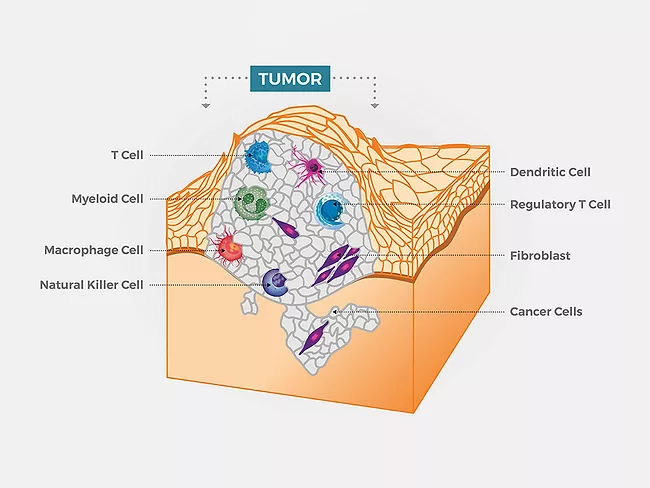
Thetis Pharmaceuticals LLC and Harvard Medical School have presented data on the stable salt chelate of Resolvin E1, TP-317, for the potential treatment of immune checkpoint inhibitor (ICI)-resistant and sensitive tumors. TP-315 is an activator of ChemR23, a receptor expressed on immune cells in the tumor microenvironment. In vivo murine models of lung, melanoma (B16F10) and pancreatic (Panc2-H7) tumors were used to investigate TP-317 monotherapy and in combination with ICI.

 RSS
RSS