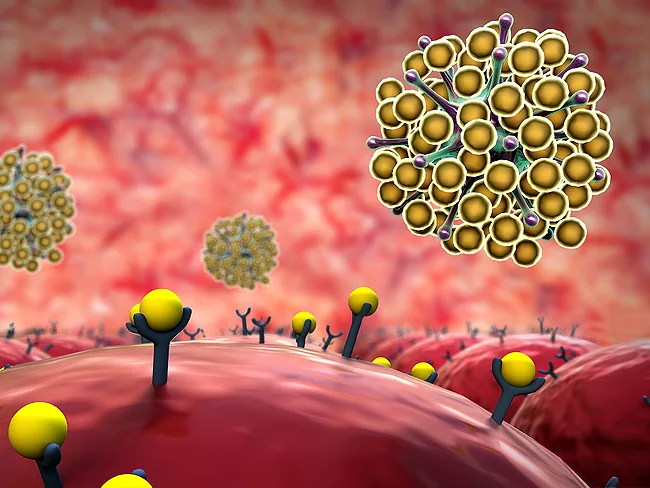
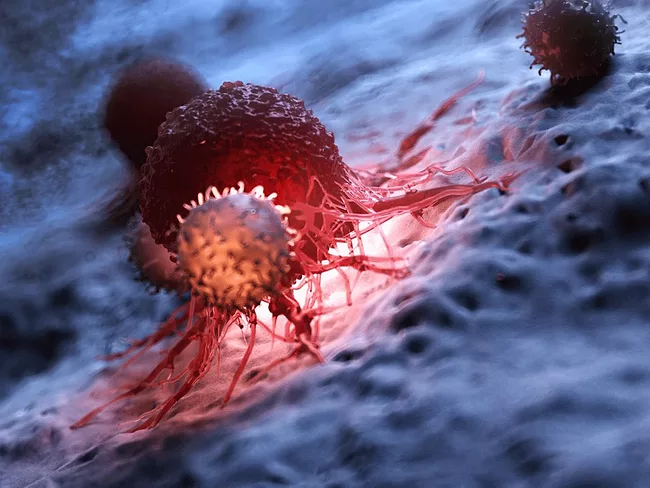
By using a statin to preferentially increase the expression of HER2 on tumor cells, researchers at Memorial Sloan Kettering were able to sensitize gastric cancers to a HER2-targeted radioligand in animal models of gastric cancer. Lovastatin aided the radioligand via two distinct mechanisms. First, it increased the availability of HER2 on the cell surface, allowing greater binding. It also had radioprotective effects on normal cells, reducing the toxicity of higher doses of radiation.
Cholesgen (Shanghai) Co. Ltd. has prepared and tested tricyclic diterpene analogues acting as Hedgehog (Hh) signaling inhibitors and apoptosis inducers. As such, they are reported to be useful for the treatment of cancer.
Ubiquitin carboxyl-terminal hydrolase 1 (USP1) inhibitors have been reported in a Simcere Zaiming Pharmaceutical Co. Ltd. patent as potentially useful for the treatment of cancer.
One of the well-established mechanisms of multidrug resistance (MDR) to chemotherapy in cancer patients is ATP binding cassette (ABC) transporter overexpression in cancer cell membrane, and as the most extensively characterized ABC transporter, P-glycoprotein (P-gp) is considered a potential target to overcome MDR. In a recent publication, researchers from Xuzhou Medical University detailed the discovery of novel P-gp inhibitors as candidates to overcome MDR to chemotherapy.
Arcus Biosciences Inc. has reported the discovery and SAR-driven optimization and characterization of potent novel tyrosine-protein kinase receptor UFO (AXL) inhibitors for the potential treatment of cancer.
Ascentage Pharma Group Corp. Ltd. and Ascentage Pharma (Suzhou) Co. Ltd. have patented GTPase KRAS (G12D mutant) inhibitors reported to be useful for the treatment of cancer.
Chimeric antigen receptor (CAR) T-cell therapy is a powerful approach for patients with hematologic malignancies, such as leukemia. Its broad use may be associated with life-threatening toxicities such as neurotoxicity and cytokine release syndrome (CRS).

 RSS
RSS