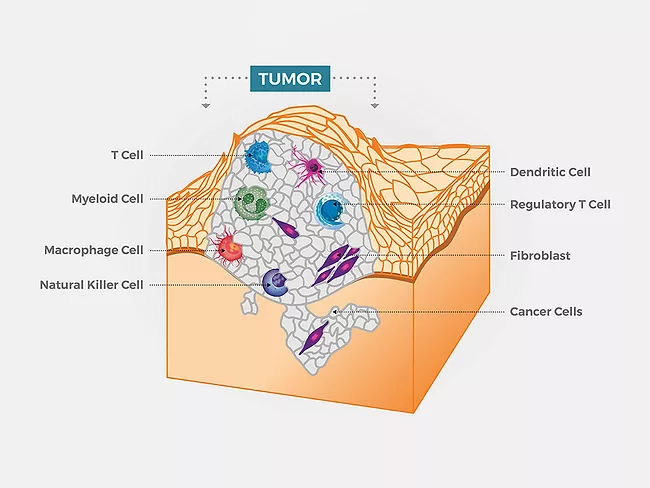
Molecular Templates Inc. has received IND clearance from the FDA for its novel MT-8421 engineered toxin bodies (ETB) program targeting cytotoxic T-lymphocyte protein 4 (CTLA-4) in patients with relapsed/refractory solid tumors previously exposed to checkpoint inhibitors. MT-8421 is designed to eliminate CTLA-4-expressing regulatory T cells (Tregs) in the tumor microenvironment (TME) through a direct cell-kill mechanism independent of the effector cell presence that antibodies rely upon while not affecting Tregs in the periphery.
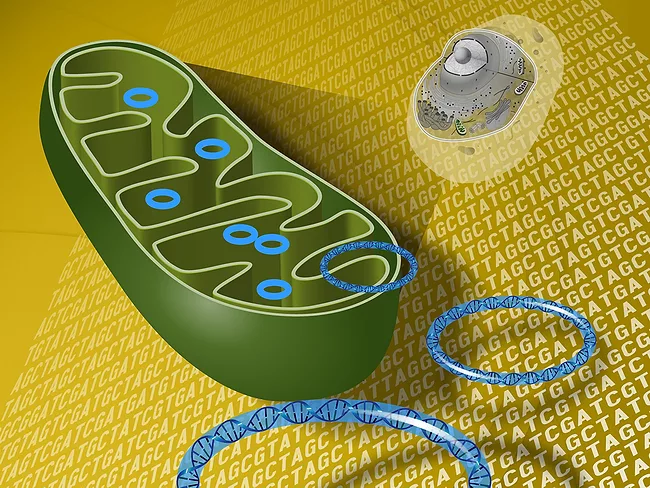
A deficiency in fumarate metabolism could be behind a new mechanism of inflammation mediated by mitochondrial DNA and RNA. Two independent and simultaneous studies described how the accumulation of fumarate in the mitochondria released the genetic material of this organelle through vesicles, activating an inflammatory signaling pathway.
Shanghai Blueray Biopharma Co. Ltd. has divulged polycomb protein EED (PRC2/EED-EZH2 noncatalytic subunit) inhibitors reported to be useful for the treatment of cancer.
Yiteng Pharmaceutical Industry Taizhou Co. Ltd. has synthesized cyclin-dependent kinase 7 (CDK7) inhibitors reported to be useful for the treatment of cancer.
Ubix Therapeutics Inc. has disclosed proteolysis targeting chimeras (PROTACs) comprising von Hippel-Lindau disease tumor suppressor ligands coupled to a tyrosine-protein phosphatase non-receptor type 11 (PTPN11; PTP-2C; SHP-2) targeting moiety via linker acting as SHP-2 degradation inducers and reported to be useful for the treatment of cancer.
Previous studies have identified a promising target and potential biomarker for diagnosing and treating gastrointestinal and esophageal cancers: claudin18.2 (CLDN18.2), a tight junction protein overexpressed in these and other solid tumors.
Researchers from Medical University Vienna presented data from a study that aimed to identify possible synergism between the novel son of sevenless (SOS) inhibitor BAY-293 and B-Raf or/and MEK1/2 inhibitors as a potential therapeutic strategy for the treatment of melanoma.
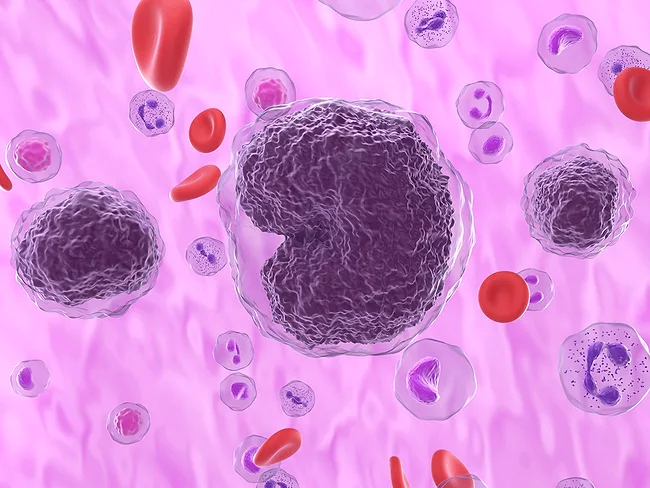
Estrella Biopharma Inc. has received FDA clearance of its IND application for lead product candidate EB-103, a T-cell therapy targeting CD19, a protein expressed on the surface of almost all B-cell leukemias and lymphomas.
Triple-negative breast cancer (TNBC) is the most aggressive form of breast cancer, which lacks effective targeted therapies. Poly (ADP-ribose) polymerase (PARP) inhibitors such as olaparib are the go-to therapeutic strategy, but are often tied to resistance.
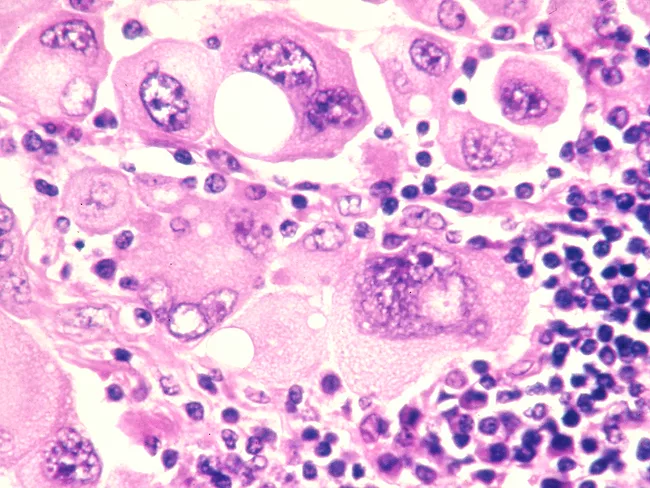
Since abnormal choline accumulation in cancer cells has been strongly correlated with malignant tumor growth, researchers from Tokyo Medical University aimed to analyze the functional expression of choline transporters in human hepatocellular carcinoma (HCC).
 RSS
RSS