The Cleveland Clinic Foundation has disclosed citron rho-interacting kinase (CRIK; CIT) inhibitors reported to be useful for the treatment of medulloblastoma and prostate cancer.
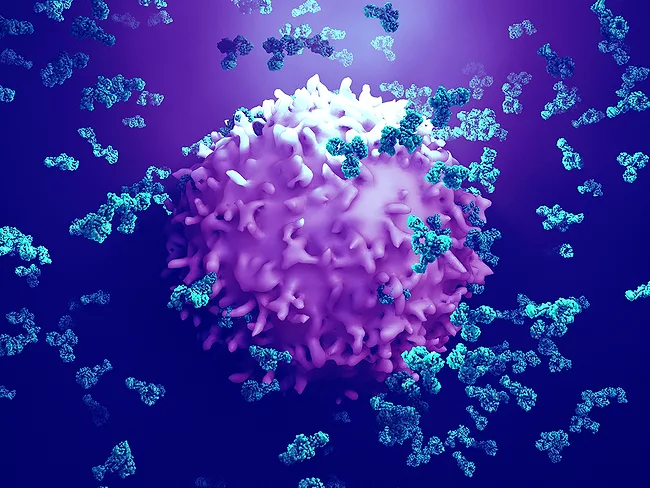
Navrogen Inc. has entered into a cooperative research and development agreement (CRADA) with researchers at the U.S. National Cancer Institute (NCI), part of the National Institutes of Health (NIH). Under this CRADA, Navrogen will sponsor the clinical investigation of the experimental antibody-drug conjugate (ADC) NAV-001, under supervision of the NCI.
Inhibition of emerging polyclonal on-target acquired resistance mutations remains a critical unmet need in the treatment of fibroblast growth factor receptor 2 (FGFR2)-driven tumors. In the current study, researchers from Tyra Biosciences Inc. presented the preclinical characterization of a novel FGFR1/2/3 inhibitor, TYRA-200, being developed for the treatment of cancer.
Targeted therapies and immunotherapies have revolutionized cancer treatment in recent years. However, achieving durable responses and, ultimately, curing metastatic cancers driven by intracellular oncogenes remains a primary unmet medical need. Although fragments of intracellular oncoproteins can act as neoantigens presented by the major histocompatibility complex (MHC), recognizing the typically minimal differences between oncoproteins and their normal counterparts makes this approach quite challenging.
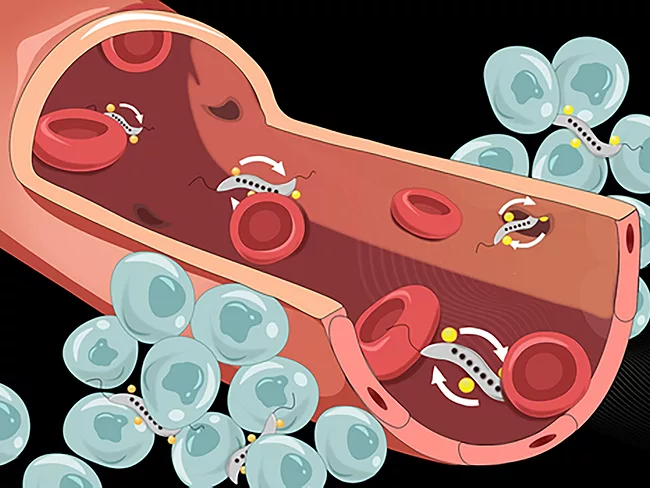
A new method for controlling naturally magnetized bacteria has improved the prospects of applying them as vehicles for intratumoral delivery of cancer drugs and in hyperthermia therapy. The advance will provide a better way of directing the movement of systemically administered bacteria, using external magnetic fields to target them to tumors sited deep in the body. It also points to a possible route for engineering existing bacteria-based anticancer constructs for better targeting.
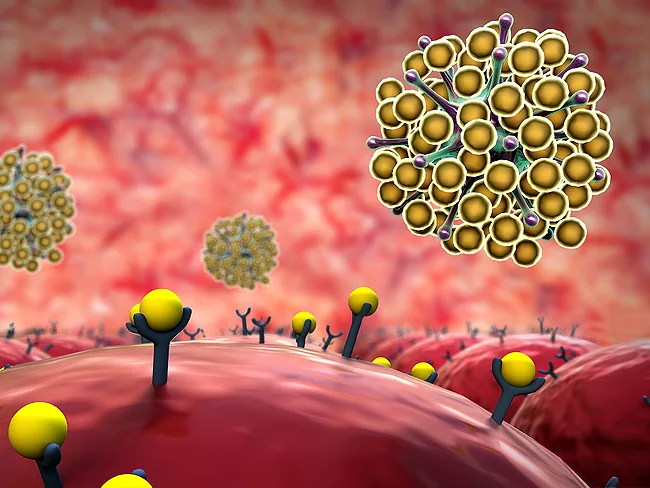
Duality Biologics (Suzhou) Co. Ltd. has presented data describing the discovery and preclinical results of DB-1303, an antibody-drug conjugate containing a trastuzumab biosimilar targeting HER2 (BAT0606), an exatecan derivative payload with topoisomerase I inhibitory activity (P1003) and an enzymatic ally cleavable tetrapeptide-maleimide-linker (payload-linker named L101P1003).
Halia Therapeutics Inc. has disclosed serine/threonine-protein kinase Nek7 inhibitors reported to be useful for the treatment of cancer, asthma, obesity, type 2 diabetes, hepatitis, peritonitis, neurodegeneration and psoriasis, among others.
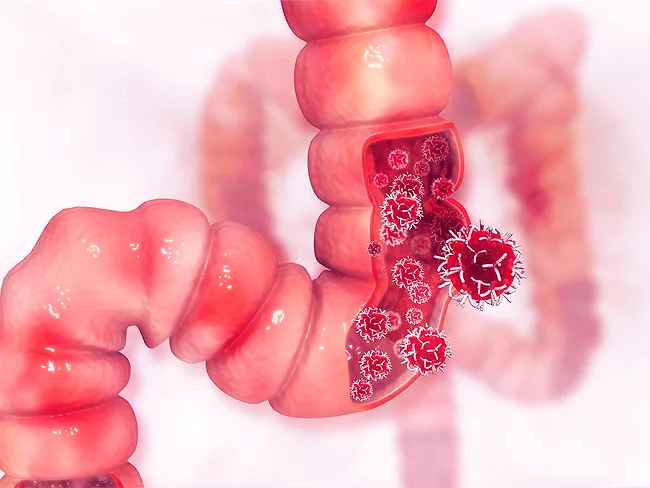
The Gastrointestinal Research Foundation (GIRF) has launched a new initiative, CA CURE, to identify and fund research to improve diagnostics and develop therapeutics focused on immunotherapies and personalized vaccines for digestive cancers, with a focus on projects that might have difficulty attracting funds because they are too experimental or are in the initial stages of development.
Hand-foot syndrome (HFS), or palmoplantar erythrodysesthesia, is a dermatological toxicity produced by the fluoropyrimidine chemotherapy agents capecitabine and fluorouracil and affects 43-71% of patients.

 RSS
RSS