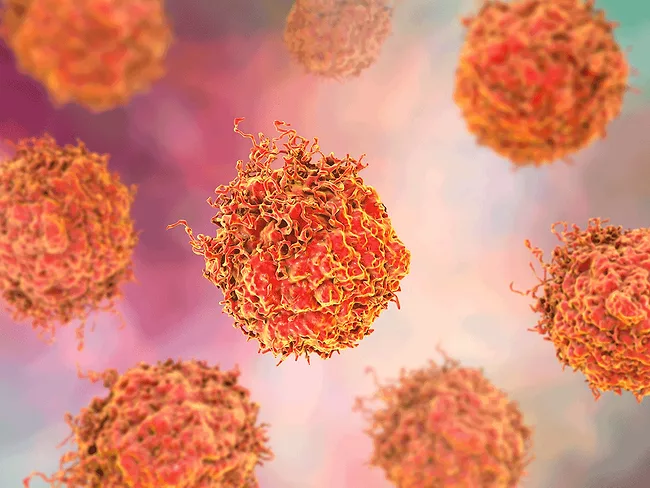
Carbonic anhydrase IX (CAIX) is overexpressed in the hypoxic tumor environment and is thought to help drive tumor progression and metastasis by generating protons that acidify the area. Therefore, inhibiting the enzyme may be effective as an anticancer treatment.
A year and half from its inception, Adcytherix SAS has raised a €105 million (US$122 million) series A, enabling it to take the lead antibody-drug conjugate (ADC) program into clinical development next year.
Endometrial cancer is the most prevalent gynecological malignancy in high-income countries, and the discovery of new biomarkers may aid in earlier detection and improve the prognosis of patients.
Writing in the Journal of Medicinal Chemistry, researchers from Shenzhen University Medical School and collaborating institutions report the design, synthesis and biological evaluation of a series of quinoline-based hydroxamic acid derivatives as dual DNA methyltransferases (DNMT) and histone deacetylase (HDAC) inhibitors.
Two enzymes from the protein disulphide isomerase (PDI) family enable prostate cancer cells to grow, survive, and resist treatment. This discovery, however, could be taken as an advantage to improve therapy for this type of tumor. Blocking the function of PDIA1 and PDIA5 leads to cancer cell death and a reduction in tumor size.
Researchers at Dongguk University and Korean Research Institute of Bioscience and Biotechnology have described oxazole derivatives acting as malate dehydrogenase, cytoplasmic (MDH1) and/or malate dehydrogenase, mitochondrial (MDH2) inhibitors reported to be useful for the treatment of cancer.
Scientists at Beone Medicines I GmbH and Beone Pharmaceutical (Suzhou) Co. Ltd. have divulged histone acetyltransferase KAT6A (MOZ; MYST-3) and histone acetyltransferase KAT6B (MOZ2; MYST-4) inhibitors reported to be useful for the treatment of breast cancer.
 RSS
RSS