Bryet US Inc. has received Australian Human Research Ethics Committee (HREC) approval for its first-in-human study of ML-016 for patients with advanced cancer with lung and/or liver involvement. Enrollment in the phase I/II trial will begin early next year.
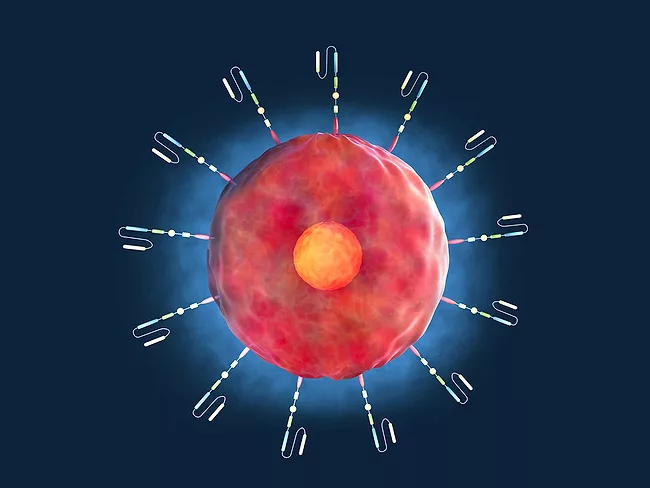
As the many challenges facing cell therapies are being addressed, the CAR T field continues to evolve beyond its original design of T cells engineered to target hematological malignancies. During the 32nd Annual Congress of the European Society of Gene and Cell Therapy (ESGCT), held in Seville Oct. 7-10, several studies showed how this technology is being redefined as programmable and adaptable immune cells with expanded functional versatility.
The 2025 Nobel Prize in Chemistry “is a story full of holes, but with enormous capacity to absorb all your attention,” Heiner Linke told reporters. “And other things.” Linke is Chair of the Nobel Committee for Chemistry. On Oct. 8, 2025, the committee announced that it has awarded the 2025 Nobel Prize in Chemistry to Susumu Kitagawa, Richard Robson and Omar Yaghi “for the development of metal-organic frameworks” (MOFs).
Work at Pharmaengine Inc. has led to the identification of new protein arginine N-methyltransferase 5 (PRMT5) inhibitors reported to be useful for the treatment of cancer.
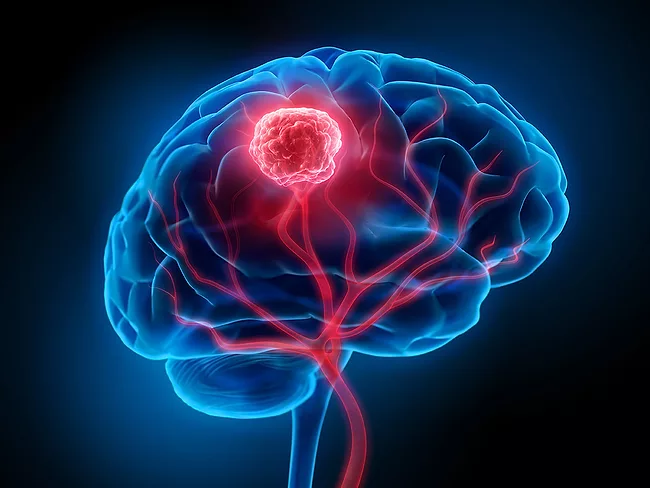
Glioblastoma multiforme (GBM) is the most common and aggressive malignant primary brain tumor in adults, marked by high treatment resistance and poor prognosis. OLIG2, a CNS-specific transcription factor essential for neural development, is highly expressed in GBM and contributes to tumor progression and therapy resistance, making it a promising target for novel therapeutic strategies.
Individuals with the inherited disorder Fanconi anemia cannot properly repair damage to their DNA, increasing risk of cancers such as head and neck squamous cell carcinoma (HNSCC).
Beactica Therapeutics AB has held a first scientific advisory meeting with the Swedish Medical Products Agency (MPA) for BEA-17, the company’s first-in-class small-molecule targeted degrader of lysine demethylase 1 (LSD1) and its co-factor CoREST.
A team of U.S. and South Korean researchers have developed an AI model called MSI-SEER that can not only predict microsatellite instability-high (MSI-H) tumors based on tissue slides, but also flag “what it does not know.” “Have you ever asked ChatGPT anything, and the response was, ‘I don’t know?’” Cheong Jae-ho asked during an interview with BioWorld. “Probably not, and that is the problem with AI now.”
 RSS
RSS