Scientists at Institute of Materia Medica Chinese Academy of Medical Sciences & Peking Union Medical College have identified compounds reported to be useful for the treatment of cancer.
Previous research suggested that gram-negative bacteria may hold potential for cancer immunotherapy because they contain agonists for multiple immune receptors.
Cancervax Inc. has selected pancreatic ductal adenocarcinoma (PDAC) as one of its first targets for preclinical development using its novel universal cancer treatment (UCT) platform.
Polypid Ltd. has entered into a new research and development collaboration with Immunogenesis Inc. for the development of novel formulations utilizing Polypid’s proprietary PLEX (Polymer-Lipid Encapsulation matriX) technology and Immunogenesis’ potent STING agonist drug candidate to potentially enhance treatment for solid tumors.
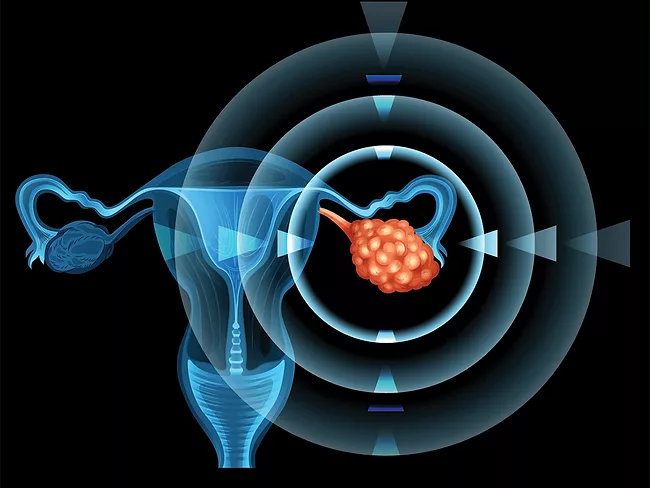
Gynecological cancers with amplifications in the CCNE1 gene, which encodes cyclin E1, usually exhibit resistance to standard therapies. Since cyclin-dependent kinase 2 (CDK2) is the primary partner of cyclin E, CDK2 inhibitors represent a potentially effective treatment strategy for these malignancies.
In a presentation at the recent American Society of Hematology meeting in San Diego, Kite Pharma Inc. reported preclinical data for KITE-753, an autologous rapid manufactured anti-CD19/CD20 CAR T-cell therapy being developed for the treatment of B-cell malignancies.
Mirati Therapeutics Inc. has divulged GTPase KRAS (G12S mutant) and/or GTPase KRAS (G12C mutant) inhibitors reported to be useful for the treatment of cancer.
Scientists at Daegu-Gyeongbuk Medical Innovation Foundation and Korea Research Institute of Chemical Technology have synthesized phenaleno-isoquinolinium-based compounds reported to be useful for the treatment of cancer.

 RSS
RSS