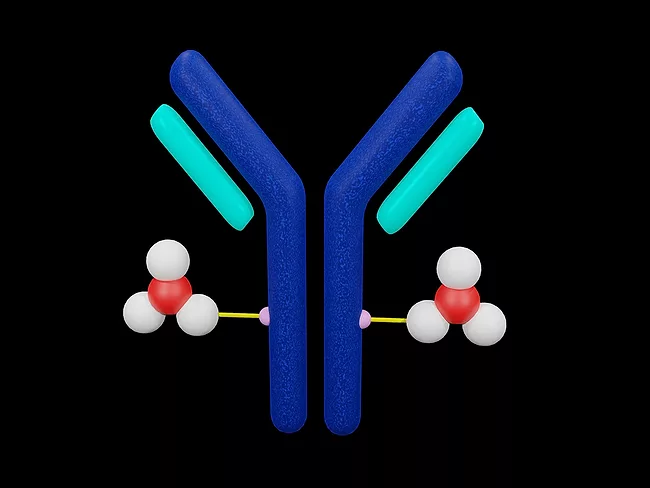
Researchers from Eli Lilly & Co. presented the discovery and preclinical characterization of a novel protein tyrosine kinase 7 (PTK7)-targeting antibody-drug conjugate (ADC), LY-4175408, being developed for the treatment of cancer.
Iksuda Therapeutics Ltd. disclosed the design of a novel, effective and safe antibody-drug conjugate (ADC), IKS-012, for the potential treatment of folate receptor α (FRα)-positive cancers.
Researchers from Qingdao University described the discovery and preclinical characterization of a novel series of tubulin polymerization inhibitors that led to the identification of [I] as the most potent compound.
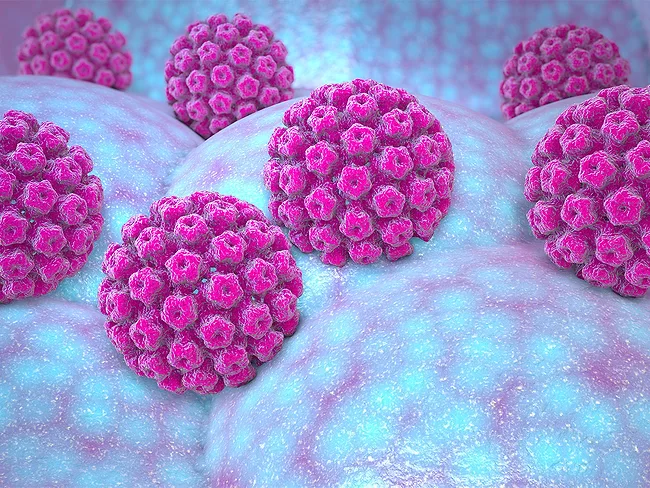
Tevogen Bio Inc. has begun preclinical efforts for TVGN-920, its first oncology product. The company is leveraging Microsoft’s artificial intelligence (AI) and cloud technologies to accelerate its target identification and preclinical processes in human papillomavirus (HPV).
Avacta Life Sciences (Avacta Group plc) presented preclinical data on AVA-6103, a second-generation Precision peptide-drug conjugate, being developed for the potential treatment of cancer. AVA-6103 was developed using the company’s proprietary Precision technology incorporating a dipeptide specifically cleaved by fibroblast activation protein α (FAPα) leading to tumor-specific delivery of exatecan directly into the tumor cells.
While the size of the market is enormous, drug development and treatments for women’s health care still lag behind what is offered for men. There has been a renaissance in the past few years, however, led by investors and companies that have wrestled with determining exactly what encompasses women’s health and how to meet its challenges.
Cyrus Therapeutics Inc. has designed molecular glue degraders comprising a cereblon (CRBN)-binding moiety acting as eukaryotic peptide chain release factor GTP-binding subunit ERF3A (GSPT1) degradation inducers potentially useful for the treatment of cancer.
Nuclear medicine combines structural and functional imaging, thus detecting lesions earlier than traditional methodologies. CD147 is a transmembrane glycoprotein that is expressed at very low levels in normal tissues, but significantly overexpressed in tumoral tissues, and is tied to clinical outcome and immune infiltration in cancer.
 RSS
RSS