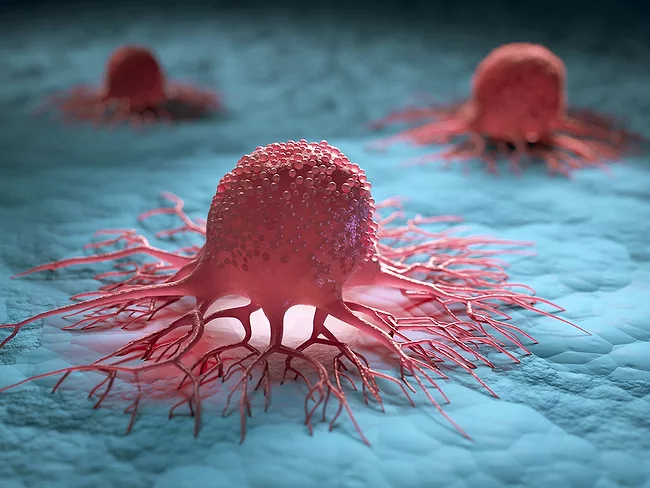
Nextpoint Therapeutics Inc. has unveiled NPX-372, a novel T-cell engager for solid tumors. NPX-372 is a CD3 bispecific antibody with unique capabilities to redirect T cell-mediated cytotoxicity toward B7-H7-positive tumors such as colorectal carcinoma, non-small-cell lung cancer, renal cell carcinoma and prostate cancer.
The dark matter of long non-coding RNA (lncRNA) is shades brighter, after the signing of two major deals between biotech pioneers and big pharma in the past week. Haya Therapeutics SA announced Sept. 4 that it has sealed a multiyear agreement with Eli Lilly and Co. to apply its lncRNA platform technology to identify targets in obesity and related metabolic disorders.
Jiangsu Vcare Pharmatech Co. Ltd. has described proteolysis targeting chimera (PROTAC) compounds comprising an E3 ubiquitin ligase binding moiety covalently linked to a Bruton’s tyrosine kinase (BTK) targeting moiety via a linker reported to be useful for the treatment of cancer.
At the European Federation for Medicinal chemistry and Chemical biology’s International Symposium on Medicinal Chemistry (EFMC-ISMC) held this week in Rome, Novartis Biomedical Research reported the discovery and evaluation of NVP-EVS-459, a low molecular weight folate receptor (FR)-targeting radioconjugate, for the potential treatment and diagnosis of cancer.
A team of scientists from the Perelman School of Medicine at the University of Pennsylvania and Aum Biotech LLC have described the development of a novel cancer immunotherapy designed to target FOXP3-positive T regulatory cells (Tregs) with a next generation of antisense oligonucleotides (ASOs), termed FOXP3 Aumsilence ASO. In contrast to previous ASOs, FOXP3 Aumsilence ASOs do not require delivery agents, and are capable of highly specific RNA silencing of previously undruggable targets.
Artificial intelligence (AI) drug discovery company Noetik Inc. has closed on an oversubscribed $40 million series A financing round. The company plans to use the money to expand its atlas of human cancer biology with its in vivo CRISPR platform to advance a pipeline of cancer therapeutics to the clinic. In describing its approach, the company said that making a genuine impact on drug discovery requires computational capabilities to understand and simulate disease biology at the patient level, identifying the right targets and matching them with the right therapies.
Scientists at Bristol Myers Squibb Co. and Celgene Corp. have synthesized proteolysis targeting chimera (PROTAC) compounds comprising a cereblon (CRBN) E3 ubiquitin ligase-binding moiety coupled to a protein-targeting moiety through a linker.
Thyroid hormone receptor-interacting protein 13 (TRIP13) is overexpressed in multiple myeloma (MM), where it is associated with progression and poor prognosis.
 RSS
RSS