OS Therapies Inc. has announced promising data in animal models of ovarian cancer for its first therapeutic candidate developed based upon its proprietary tunable antibody-drug conjugate (tADC) platform.
IRCCS San Raffaele, Universita Degli Studi Di Perugia and Universita Vita-Salute San Raffaele have jointly developed new oxysterols receptor LXR-α (NR1H3; LXRA) and/or LXR-β (NR1H2; LXRB) antagonists reported to be useful for the treatment of cancer, inflammatory and immunological disorders.
The University of California and the US Department of Veterans Affairs have patented androgen receptor (AR) antagonists reported to be useful for the treatment of prostate cancer.
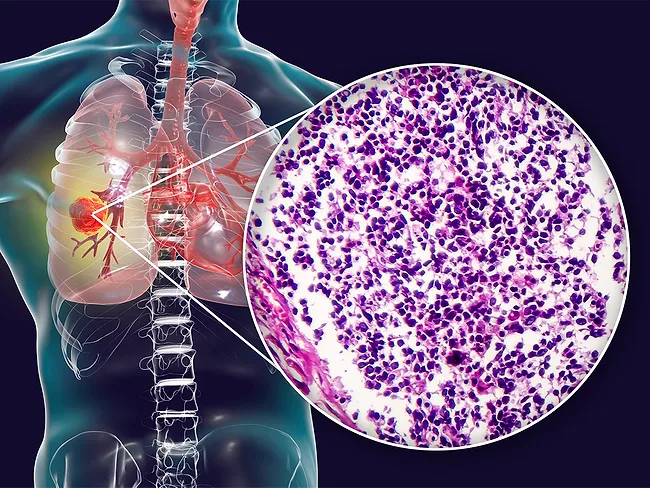
Small-cell lung cancer (SCLC) is an aggressive neuroendocrine cancer with a poor prognosis due to rapid growth, early metastases and acquired drug resistance, making it difficult to manage.
Cancer immunotherapy based on programmed death 1 ligand 1 (PD-L1) has made huge steps toward overcoming cancer, but many patients still experience poor response to anti-PD-L1 therapy or do not have a durable response.
By looking at the electrical activity of tumor cells, rather than the neurons that innervate them, investigators at Baylor College of Medicine have added both basic and translational insights to the emerging field of cancer neuroscience. In their studies, which were published in Cancer Cell on Sept. 5, 2024, the researchers identified the cell of origin for IDH-mutated gliomas.
Recent Ideaya Biosciences Inc. patents describe new poly(ADP-ribose) glycohydrolase (PARG) inhibitors reported to be useful for the treatment of cancer.
Bivictrix Therapeutics plc has announced promising initial in vivo data for BVX-002, its lead solid tumor bispecific antibody-drug conjugate (ADC) program. The preclinical study is investigating BVX-002 dosed once weekly, with a total of four doses given, in a murine xenograft model of ovarian cancer, using the human cell line OVCAR-3.

 RSS
RSS