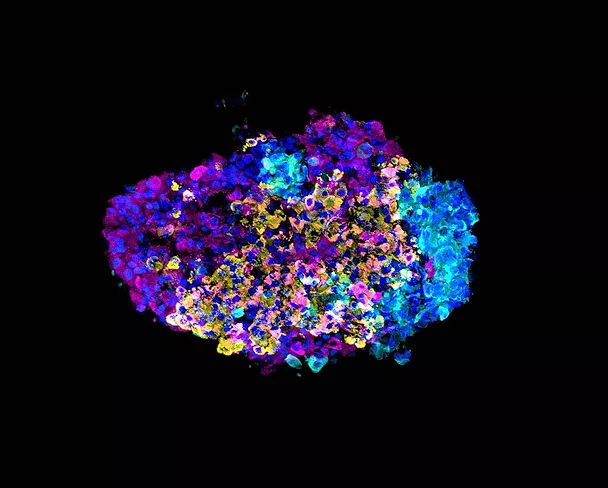
Glucagon-like peptide 1 receptor agonist (GLP-1RA) compounds have become game changers in the treatment of obesity, but they have limitations due to long-term efficacy, lean mass preservation and tolerability in certain populations. Mitorx Therapeutics Ltd. has presented data for MTRX-31 (Myo-004), a mitochondrial-targeted compound that provides an alternative mode of action for treating obesity.
Researchers from Verdiva Bio Ltd. and collaborators recently presented preclinical data on VRB-103, an oral amylin analogue, comparing its profile with those of cagrilintide and eloralintide, two subcutaneously administered analogues currently in clinical development.
Researchers from Ractigen Therapeutics Co. Ltd. presented preclinical data on LiCO-saUcp1, a small activating RNA (saRNA) therapeutic designed to upregulate UCP1 expression in adipose tissue.
Liraglutide, a glucagon-like peptide 1 (GLP-1) receptor agonist used in diabetes and obesity, could alleviate depression through a pathway that does not depend on the GLP-1 receptor but instead on the gut microbiota, since the treatment increases the presence of the bacterium Lactobacillus delbrueckii. This symbiotic microorganism produces a lipid that modulates neuronal activity, normalizing the hyperactivation of brain regions in mice involved in emotional processing, which ultimately reduces depressive behaviors.
Scientists at Columbia University have used base editing to make precise changes in the genomes of human embryos, avoiding the damage to chromosomes that occurs following two-stranded DNA cuts with conventional CRISPR/Cas9 editing.
Shanghai Curegene Pharmaceutical Co. Ltd. has identified thyroid hormone receptor β (THR-β) agonists that are potentially useful for the treatment of metabolic dysfunction-associated steatotic liver disease (MASLD; NAFLD), diabetes and obesity.
Syntax Bio Inc. has established a research and development collaboration with Mayo Clinic focused on advancing stem cell-derived pancreatic cell therapies for type 1 diabetes.
Extracellular matrix specialist Engitix Ltd. is teaming up with GSK plc to delve into the mechanisms underlying regression of fibrosis after treatment for chronic liver disease, and identify and validate new drug targets involved in this process.
 RSS
RSS