Tessera Therapeutics Inc.’s lead in vivo gene editing program, TSRA-196, has been awarded orphan drug and fast track designations by the FDA for adults with α-1 antitrypsin deficiency (AATD).
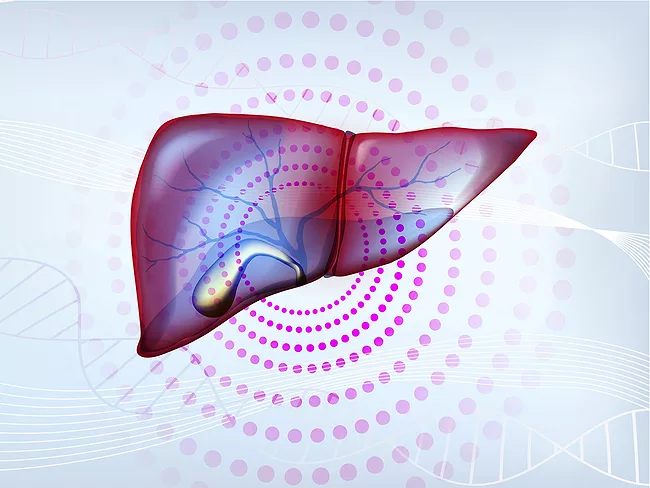
Researchers from Imperial College London and collaborators further investigated C/EBPβ as a target for MASLD and evaluated the efficacy of a C/EBPβ-targeted siRNA approach to reverse metabolic dysfunction and restore liver function in high-fat-diet-induced steatosis, which can be precursor to MASH and hepatocellular carcinoma.
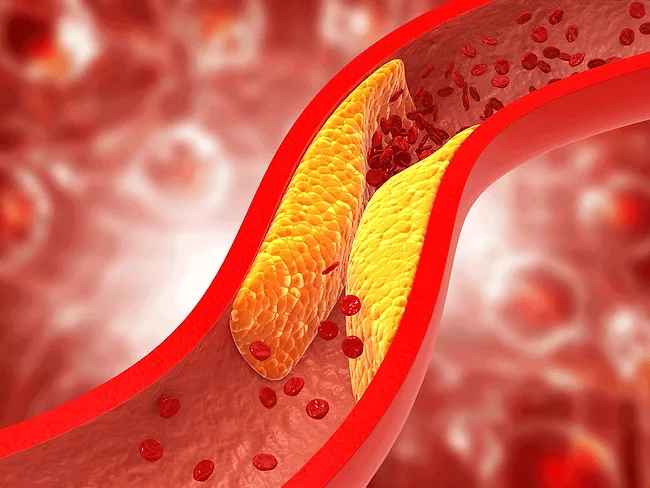
In previous work, researchers from CEINGE (Naples, Italy) and collaborating institutions developed an alternative gene therapy strategy based on the expression of a secreted fusion protein, including the extracellular portion of the human LDLR for LDL binding, linked to rabbit transferrin (TF), targeting the transferrin receptor (TFr), resulting in internalization and uptake of LDL particles. They have now published more recent work to further improve the efficacy and safety of this strategy.
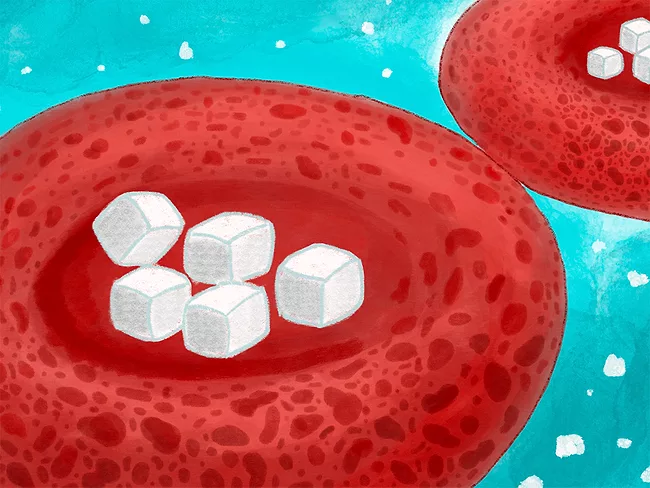
On the average, humans – and pigs, and deer, and birds – who live at high altitudes have better blood glucose control than their counterparts near sea level. In work published in the Feb. 19, 2026, issue of Cell Metabolism, investigators have linked this phenomenon to red blood cells that directly take up and metabolize glucose from the blood under low oxygen conditions.
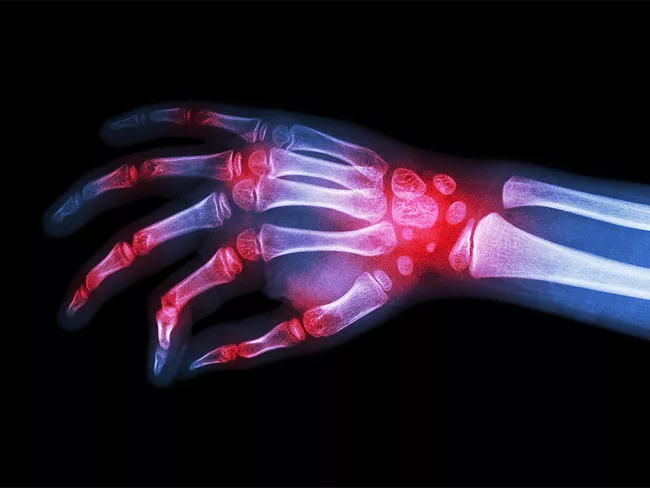
In the inflamed joints of rheumatoid arthritis, CD4+ T lymphocytes accumulate lipid droplets that make them vulnerable and promote their death, thereby amplifying joint inflammation. A study led by scientists at Mayo Clinic and Stanford University suggests that blocking the formation of these lipid droplets or their contents could offer a therapeutic strategy for this condition.
Deeplake Pharmaceuticals (Shandong) Co. Ltd. has patented oxazolo- or thiazolo-indole compounds acting as xanthine dehydrogenase/oxidase (XDH; XOR) and/or solute carrier family 22 member 12 (SLC22A12; URAT1) dual inhibitors. They are reported to be useful for the treatment of gout and hyperuricemia.
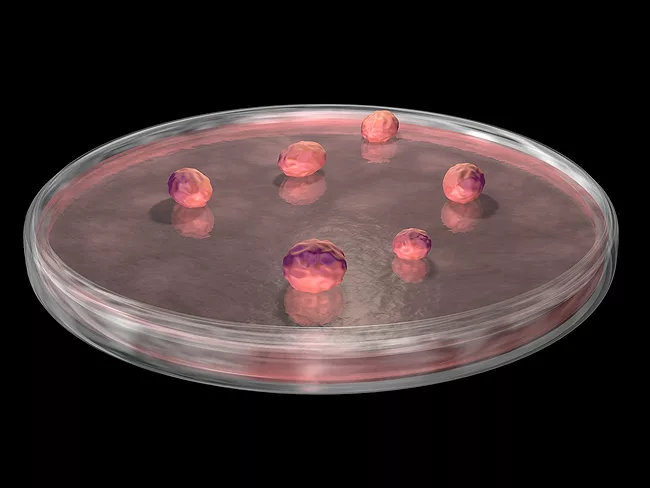
The variety of organoids that can be developed in vitro is enabling major advances. Depending on the type of tissues and the research goals, these small 3D cell-based structures that mimic real tissue offer certain advantages over animal models. Scientists at the University of Padova in Italy have created human neuromuscular organoids to reproduce cancer-induced muscle cachexia, a condition that murine models do not accurately replicate.
Nanjing Anji Biotechnology Co. Ltd. has patented micropeptides regulating cholesterol metabolism and thus reported to be useful for the treatment of obesity, atherosclerosis, age-related macular degeneration, hyperlipidemia, fatty liver, liver fibrosis, liver cancer and coronary heart disease, among others.
Hunter syndrome, also called mucopolysaccharidosis II, is an X-linked genetic lysosomal disorder caused by loss-of-function mutations in the IDS gene, encoding iduronate-2-sulfatase (I2S). I2S is a lysosomal enzyme responsible for the cleavage of glycosaminoglycans (GAGs), and its deficiency results in accumulation of GAGs leading to a multisystemic disorder.
CSPC Pharmaceutical Group Ltd. has obtained IND approval from the FDA for SYH-2082 injection, a GLP-1/GIP receptor dual-biased agonist polypeptide long-acting injection for weight management for individuals with obesity or overweight and at least one weight-related comorbidity.
 RSS
RSS