Evopoint Biosciences Co. Ltd. has patented 2-acylglycerol O-acyltransferase 2 (MGAT2, MOGAT2) inhibitors. They are described as potentially useful for the treatment of obesity, metabolic syndrome, hyperlipidemia, hypertriglyceridemia, diabetes and arteriosclerosis.
Tetrapharm (Tetra Pharm Technologies ApS) has announced promising preclinical data for TPC-026 for the chronic treatment and long-term management of metabolic disorders, including obesity. The preclinical findings support TPC-026 as a differentiated therapeutic candidate, designed to address underlying disease mechanisms, rather than symptoms alone.
Novo Nordisk A/S has disclosed GLP-1 polypeptide analogues acting as glucagon-like peptide-1 receptor (GLP-1R) agonists. As such, they are reported to be useful for the treatment of obesity and diabetes.
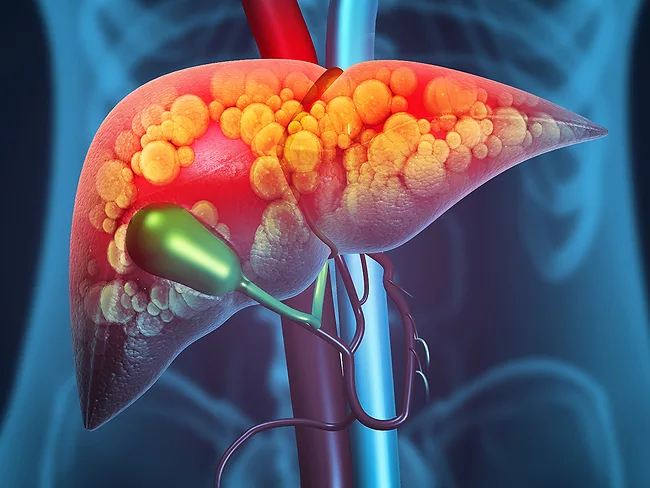
Liver fibrosis in the course of metabolic dysfunction-associated steatohepatitis (MASH) could be significantly reduced using CAR T-cells generated in vivo. Scientists at the Icahn School of Medicine at Mount Sinai have developed an experimental cell therapy that eliminates only one type of liver cell, the stellate cells that express fibroblast activation protein alpha (FAP). This strategy not only reduced fibrosis but also reversed liver damage.
Alveus Therapeutics Inc. has obtained IND clearance from the FDA for ALV-100, for chronic weight management, enabling initiation of a phase Ib study. Dosing has now commenced in the study.
Scribe Therapeutics Inc. is aiming to advance STX-1150, its lead product candidate for the treatment of hypercholesterolemia, into the clinic around the middle of this year. Hypercholesterolemia is a major driver of atherosclerotic cardiovascular disease.
Metabolic dysfunction-associated steatotic liver disease (MASLD) covers a series of pathogenic conditions including steatosis, inflammation and fibrosis with limited therapeutic options to date. Recent findings have shown upregulation of hepatic murine double minute 2 (MDM2) in patients with MASLD. Additionally, genetic deletion of hepatic MDM2 and its pharmacological inhibition were seen to improve steatosis and fibrosis in MASLD murine models.

 RSS
RSS