Mira Pharmaceuticals Inc. has reported continued progress toward IND-enabling studies of its two lead preclinical programs, MIRA-55, an investigational oral nonopioid drug candidate for chronic inflammatory pain, and SKNY-1, an investigational oral drug candidate for obesity and addiction-related disorders.
Olix Pharmaceuticals Inc. has released preclinical data from a head-to-head study in obese nonhuman primates (NHPs) showing that OLX-501A, its ALK7-targeting obesity program, achieved greater visceral fat reduction relative to a globally developed comparator compound.
Researchers from Yunnan University, Sicagene Bioscience Co. Ltd. and collaborators reported the preclinical efficacy of GS-10c, a GalNAc-conjugated antisense oligonucleotide (ASO) developed to silence serine/threonine kinase 25 (STK25), a lipid droplet-associated kinase implicated in the development of metabolic dysfunction-associated steatotic liver disease (MASLD).
Torrey Pines Medicine (Shenzhen) Ltd. has completed an angel financing round as it advances next-generation ultralong-acting peptide therapeutics for metabolic diseases.
Although antiretroviral therapy (ART) can suppress HIV to undetectable levels, a growing body of evidence suggests that the virus leaves a lasting biological imprint. At the 26th International AIDS Conference (AIDS 2026), researchers reported persistent abnormalities affecting the gut, cardiovascular system, metabolism and immune function despite effective viral control.
Ascletis Pharma Inc. has released preclinical data for ASC-37, a next-generation glucagon-like peptide 1 receptor (GLP-1R)/gastric inhibitory polypeptide receptor (GIPR)/glucagon receptor (GCGR) triple peptide agonist.
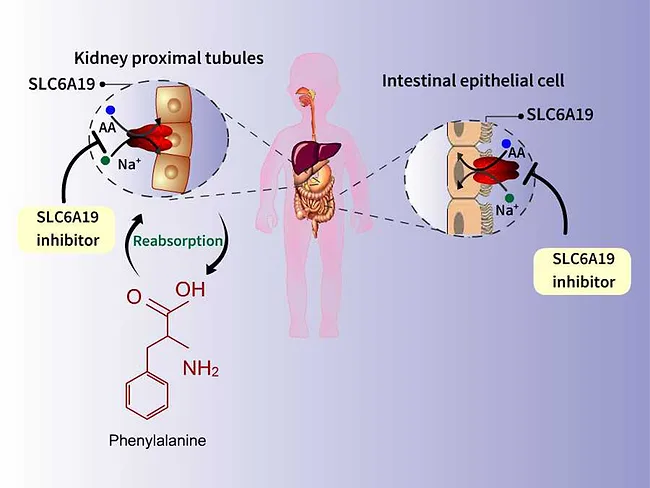
Phenylketonuria (PKU) is a recessive genetic disorder caused by deficiency of phenylalanine hydroxylase (PAH). This causes phenylalanine (Phe) accumulation and disrupted brain amino acid homeostasis, resulting in hypomyelination, gliosis and neurotransmitter deficits, and leading to severe neurodevelopmental impairment.
Neumora Therapeutics Inc. has reported preclinical toxicology results from NMRA-215, a potentially best-in-class, highly brain-penetrant, oral NLRP3 inhibitor in development for the treatment of obesity and cardiometabolic disease.
Chia Tai Tianqing Pharmaceutical Group Co. Ltd. has patented new gastric inhibitory polypeptide receptor (GIPR) antagonists potentially useful for the treatment of metabolic diseases.
HCW Biologics Inc. has requested a type B (pre-IND) meeting with the FDA to discuss the development and regulatory strategy for its investigational tetravalent T-cell engager (TCE), HCW-11-018b, for solid tumors.
 RSS
RSS