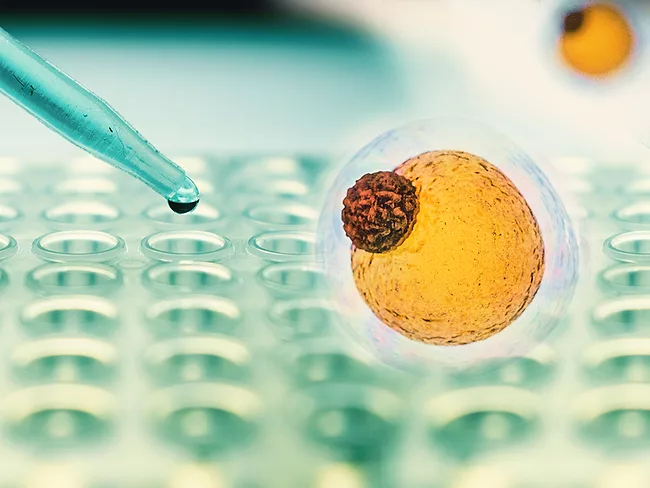
Obesity is a chronic disease caused by the concurrence of genetics and environmental and individual behaviors that lead to an imbalance between caloric intake and expenditure and are linked to increased mortality and morbidity.
Researchers from East China Normal University and Shanghai Jiao Tong University presented the discovery and preclinical evaluation of new potent antiosteoporosis agents. Synthesis and optimization of a series of heterocyclic ring-fused derivatives of 20(S)-protopanaxadiol (PPD) led to the identification of SH-491 as the lead candidate with the most potent inhibitory effects on RANKL-induced osteoclastogenesis (IC50=11.8 nM).
Sab Biotherapeutics Inc. has announced a private placement of up to $130 to fund the company’s lead research program, SAB-142, a potential disease-modifying treatment for type 1 diabetes. SAB-142 is expected to advance into clinical trials in the fourth quarter of this year.
Fudan University has patented compounds acting as microtubule-associated proteins 1A/1B light chain 3B (MAP1LC3B) inhibitors and proprotein convertase subtilisin/kexin-type 9 (PCSK9) degradation inducers reported to be useful for the treatment of alopecia, atherosclerosis, cancer, Alzheimer’s disease, pulmonary fibrosis, hyperlipidemia, keratosis and obesity, among others.
The FDA has cleared IND applications for UBT-251 injection, a long-acting triple-targeted glucagon-like peptide-1 (GLP-1)/glucose-dependent insulinotropic polypeptide (GIP)/glucagon receptor agonist developed by The United Bio-Technology (Hengqin) Co. Ltd., a wholly owned subsidiary of The United Laboratories International Holdings Ltd., for adult type 2 diabetes and for overweight or obese subjects.
Evotec SE and Novo Nordisk A/S have announced the launch of Lab En2, a translational drug discovery accelerator that aims to advance early research from academic institutions into novel therapeutics.
Novo Nordisk A/S and Valo Health Inc. have entered into an agreement to discover and develop novel treatments for cardiometabolic diseases. The collaboration will leverage Valo’s Opal Computational Platform, including access to real-world patient data, artificial intelligence (AI)-enabled small-molecule discovery and Biowire human tissue modeling platform designed to speed up the discovery and development process.
Terns Pharmaceuticals Inc. has synthesized glucagon-like peptide 1 receptor (GLP-1R) agonists reported to be useful for the treatment of diabetes, obesity and liver diseases.
Krystal Biotech Inc. has received IND clearance from the FDA for KB-408 for the treatment of α1-antitrypsin deficiency (AATD). KB-408 is a modified, replication-defective, nonintegrating HSV-1-derived vector carrying two full-length copies of the serpin family A member 1 gene (SERPINA1) to enable expression of α1-antitrypsin (AAT).
The contribution of the soluble form of urokinase-type plasminogen activator receptor (suPAR) as a risk factor for chronic kidney diseases (CKD) is well known. Researchers from Rush University Medical Center, Harvard Medical School and collaborators have now identified D2D3, a suPAR fragment, as responsible for causing double injury, both to the kidney and pancreas, thus resulting in glomerular disease and insulin-dependent diabetes.
 RSS
RSS