Crinetics Pharmaceuticals Inc. has reported parathyroid hormone PTH1 receptor antagonists potentially useful for the treatment of kidney stones, osteoporosis, cardiovascular disorders, cognitive disorders, primary hyperparathyroidism and secondary hyperparathyroidism.
Vifor Pharma Ltd. has identified solute carrier family 40 member 1 (SLC40A1; ferroportin) inhibitors reported to be useful for the treatment of iron metabolism disorders, among others.
Benzimidazole carboxylic acids acting as glucagon-like peptide 1 receptor (GLP-1R) agonists have been reported in a Terns Pharmaceuticals Inc. patent as potentially useful for the treatment of diabetes, obesity and liver diseases.
Lygenesis Inc. and Imagine Pharma Inc. have entered into a joint research collaboration to develop novel cell therapies for patients with type 1 diabetes. The collaboration will leverage Imagine Pharma’s type 1 diabetes activated islet progenitor cells (T1D AIPCs) and Lygenesis’ allogeneic cell therapy platform to develop therapies for type 1 diabetes.
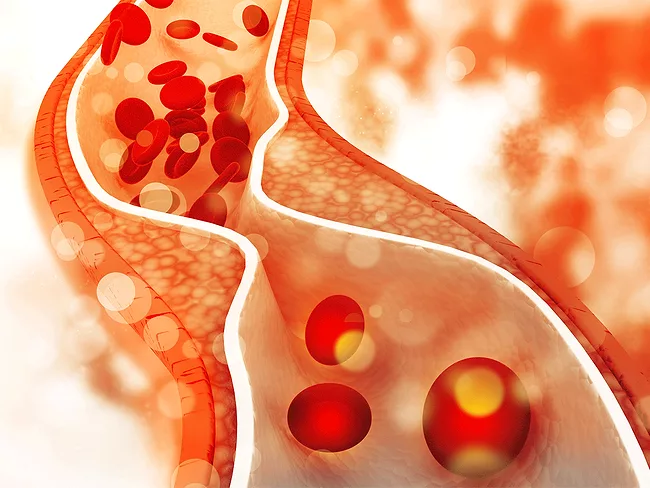
Merck & Co. revealed the structure of an orally active and potent proprotein convertase subtilisin/kexin-type 9 (PCSK9) inhibitor macrocyclic peptide, MK-0616, which is being developed for the potential treatment of hypercholesterolemia and atherosclerosis.
Liver glycogen storage disease type IX (GSD IX) accounts for 25% for all GSD cases, with a prevalence of 1 out of 100,000 patients. GSD IX is caused by deficiency in phosphorylase kinase (PhK), which is comprised of four subunits (α2, β, δ and γ2), with γ2 being the catalytic domain.
Nitrogen-containing tricyclic compounds acting as pyruvate dehydrogenase kinase 2 (PDHK2; PDK2) inhibitors have been described in a recent Japan Tobacco Inc. patent. They are reported to be useful for the treatment of diabetes, atherosclerosis, cancer, chronic kidney disease, Alzheimer’s disease, heart failure, pulmonary hypertension and stroke.
Metabolic-associated fatty liver disease (MAFLD) is a condition that encompasses a range of liver disorders, from steatosis to fibrosis. In a recent study, researchers investigated the role of phosphoenolpyruvate carboxykinase 1 (PCK1) in MAFLD progression in vivo. This work found that deficiency of the gluconeogenic enzyme PCK1 promoted the development of MAFLD through activation of the PI3K/AKT/PDGF axis.

 RSS
RSS