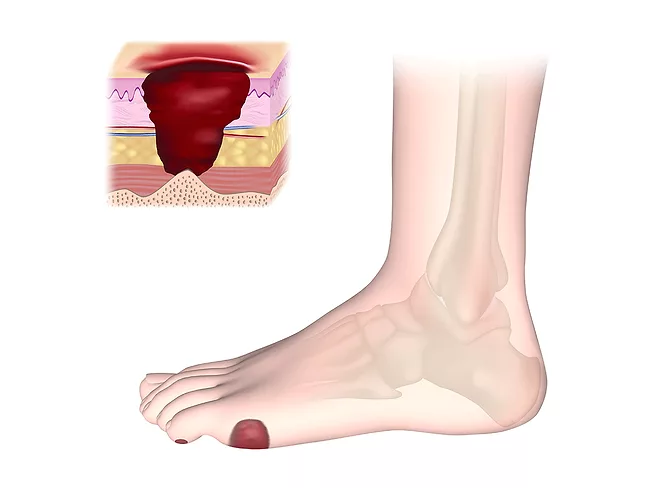
Researchers at Indiana University School of Medicine are exploring avenues to heal wounds by identifying proteins that are active in fetuses, but largely inactive in adults and absent in diabetic adults. They have identified a protein called nonselenocysteine-containing phospholipid hydroperoxide glutathione peroxidase, or NPGPx, that fits the bill and could be the basis for therapies aimed at diabetic wound healing. NPGPx is a direct transcriptional target of miR-29. miR-29 is downregulated in fetal tissue, thus NPGPx is active in fetal tissue but becomes mostly inactive in the skin after birth.
HBM Alpha Therapeutics Inc. has completed seed financing to advance its lead programs, novel antibody therapies to treat congenital adrenal hyperplasia (CAH) and polycystic ovary syndrome (PCOS).
Recent work discovered several microproteins encoded by small open reading frames (smORFs) with biological functions in cell stress and survival, metabolism, and muscle development and function, among others. As an endocrine organ, the adipose tissue secretes different peptides and proteins regulating feeding, energy balance, and thermogenesis.
Cholecystokinin (CCK) is a peptide hormone found predominantly in the gastrointestinal tract and throughout the central nervous system (CNS), and which has been also shown to stimulate the secretion of calcitonin, insulin and glucagon and to act as a natriuretic kidney peptide. Researchers from Harvard University and affiliated organizations aimed to assess the function of CCK in obesity-induced airway hyperresponsiveness (AHR) and asthma.
Researchers at the Dana-Farber Cancer Institute have been able to identify proteins that were released from muscles during exercise in relatively small quantities. Using their method, the team was able to demonstrate that the neurotrophic factor prosaposin was produced during exercise. Prosaposin is “a well-known CNS neurotrophic factor, but has never been seen to come out of muscle or fat,” Bruce Spiegelman told BioWorld. Spiegelman is a researcher at the Dana-Farber Cancer Institute and Stanley J. Korsmeyer Professor of Cell Biology and Medicine at Harvard Medical School.
Researchers at Stanford University School of Medicine have developed a method to measure several thousand metabolites, including proteins, metabolites, inflammatory markers such as cytokines and, to a degree, lipids. “It’s like Theranos, except it works,” corresponding author Michael Snyder, director of the Center for Genomics and Personalized Medicine at Stanford Medicine, told BioWorld.
Researchers from National Cheng Kung University and Taipei Medical University reported the discovery and biological evaluation of novel activating transcription factor 3 (ATF3) inducers as potential candidates for the management of metabolic syndrome.
Researchers from Shanghai Institute of Materia Medica presented the discovery of novel furan-2-carboxylic acid derivatives as potential candidates for the treatment of type 2 diabetes mellitus (T2DM). Synthesis and optimization of SL-010110, a previously identified molecule with the ability to inhibit gluconeogenesis via a unique mechanism, resulted in the discovery of a novel series of derivatives.

 RSS
RSS