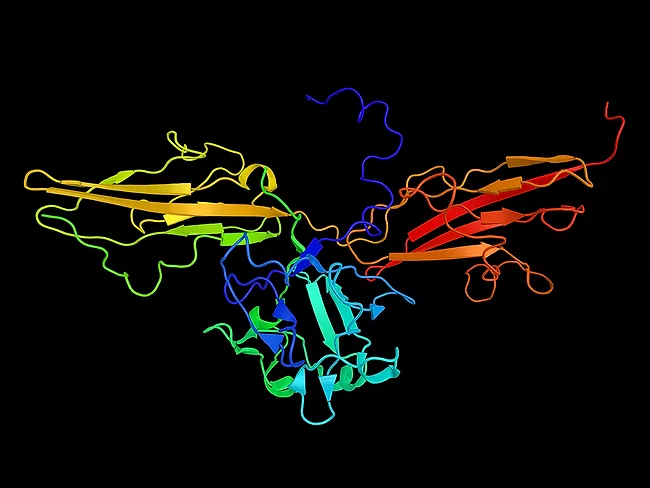
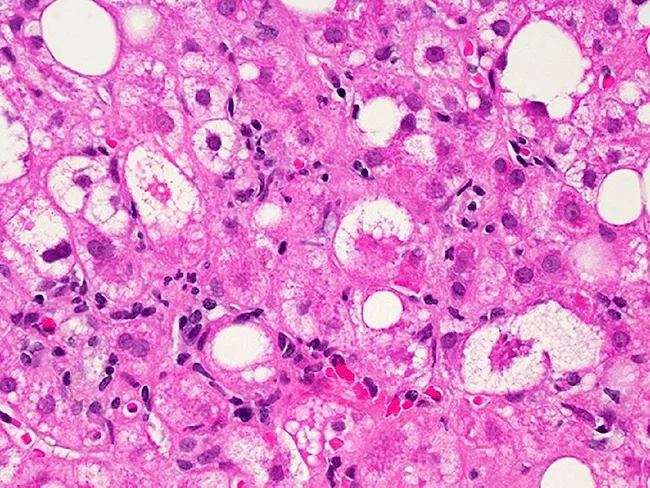
Researchers from the University of Illinois Urbana-Champaign have published data from a study designed to assess the role of serine-arginine-rich splicing factor 1 (SRSF1) in hepatocyte function and survival.
Scientists at the University of Virginia have discovered an anti-aging mechanism mediated by an enzyme that metabolizes alcohol. Alcohol dehydrogenase, which in Caenorhabditis elegans and yeast replaces the rejuvenating effect of autophagy, would reduce age-associated glycerol levels, also promoting longevity in mice and humans.
Tyra Biosciences Inc. is expanding development of TYRA-300 into achondroplasia based on promising preclinical results from a study conducted in collaboration with the Imagine Institute. A specific mutation in fibroblast growth factor receptor 3 (FGFR3) causes over 97% of achondroplasia.
THADA (thyroid adenoma associated) is a target gene of chromosomal aberration in thyroid adenomas, which has been previously identified as a type 2 diabetes mellitus (T2DM)-associated gene. Recently, researchers from Shandong University and affiliated organizations investigated the effects of THADA deficiency on glucose homeostasis.
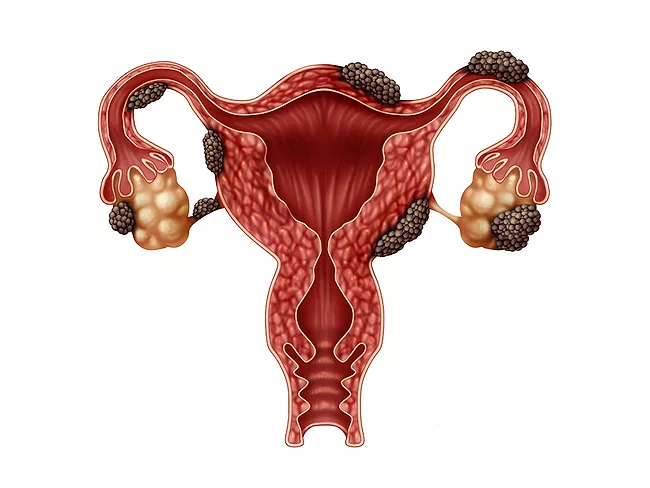
A multi-institutional team of researchers has reported the development of an anti-IL-8 antibody against endometriosis using recycling antibody engineering technology. The study confirmed the role of the inflammatory cytokine IL-8 in the development of inflammation and fibrosis in endometriosis and showed that administration of IL-8 antibodies in primate models improved endometriosis pathology.
Researchers led by Congcong He at Northwestern University have found that exercise caused contracting muscles to secrete a glycoprotein called fibronectin (FN1) that induced autophagy in the liver which, in turn, drove insulin sensitization. They reported their findings online in Cell Metabolism on Feb. 21, 2023. He is an assistant professor of cell and developmental biology at the Feinberg School of Medicine.
Protego Biopharma Inc. has identified prodrugs of transthyretin (TTR; PALB) stabilizers acting as TTR aggregation and/or amyloid formation inhibitors reported to be useful for the treatment of familial amyloid polyneuropathy and familial amyloid cardiomyopathy.
Tuojie Biotech (Shanghai) Co. Ltd. has described lysophosphatidic acid receptor 1 (LPAR1) antagonists reported to be useful for the treatment of metabolic diseases, cancer, liver diseases, respiratory, renal, neurological, cardiovascular and eye disorders, among others.

 RSS
RSS