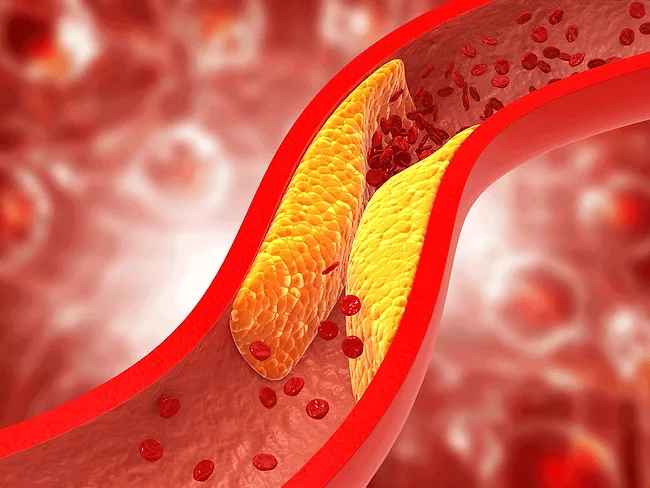
Researchers from Shanghai Institute of Materia Medica and affiliated organizations recently reported the synthesis and evaluation of novel α-pyrone III derivatives as potential therapeutic agents for the treatment of atherosclerosis.
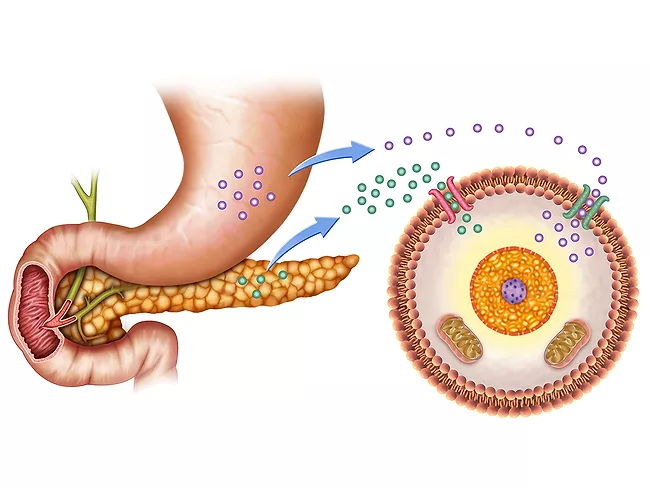
Evidence has suggested free fatty acid receptor 1 (FFAR1), also known as GPR40, as a promising therapeutic target in the treatment of type 2 diabetes, since its activation in pancreatic β cells promotes insulin secretion in a glucose concentration-dependent manner.
Blood vessels supplying adipose tissue in females and males differed in their biological characteristics and gene expression programs, researchers at York University in Toronto, Canada, have demonstrated. The findings, which will appear in the Jan. 20, 2023, print issue of Iscience after earlier publication online, give new insights into sex differences in metabolic health.
Fat tissue can be detrimental to health, but the relationship between fat, BMI and health is increasingly acknowledged as being highly complex. One factor that affects the relationship between fat and health is how well adipose tissue is vascularized. Any new tissue that forms in the body needs to be vascularized to ensure its blood supply, and fat is no exception.
Clearmind Medicine Inc. has released promising preclinical results demonstrating efficacy of its psychedelic-derived drug candidate MEAI for treating obesity and metabolic syndrome.
A recent Epigen Biosciences Inc. patent describes ribosomal protein S6 kinase β (p70S6K) inhibitors reported to be useful for the treatment of diabetes, autism spectrum disorders, fibrosis, fragile X syndrome, liver diseases and nonalcoholic steatohepatitis (NASH).
Metabolic health is at an odd juncture. With the advent of glucagon-like peptide (GLP-1) agonists, pharmacologically induced weight loss has matured into a viable therapeutic option at long last. And research into the drug class is continuing apace.
Mindrank Ltd. has received clearance of its IND application by the FDA for MDR-001, a small-molecule glucagon-like peptide 1 (GLP-1) receptor agonist, which was discovered using the company’s proprietary artificial intelligence (AI) platform, Molecule Pro.
Protego Biopharma Inc. and Scripps Research Institute have identified serine/threonine kinase/endoribonuclease IRE1 (ERN1) activators reported to be useful for the treatment of diabetes, myocardial infarction, nonalcoholic fatty liver disease (NAFLD), Parkinson's disease, retinal degeneration, atherosclerosis, Gaucher disease and Alzheimer's disease, among others.
Hepcidin deficiency in hereditary hemochromatosis (HH) leads to increased absorption of dietary iron and thus iron overload. Rusfertide is a hepcidin mimetic peptide that has shown efficacy at reducing the need for therapeutic maintenance phlebotomy in patients with HH. Researchers aimed to evaluate the benefits of cotreatment with a hepcidin mimetic peptide plus the rusfertide analogue PN-23114 (Protagonist Therapeutics Inc.) at 7.5 mg/kg t.i.w. and phlebotomy in a murine model of HH.

 RSS
RSS