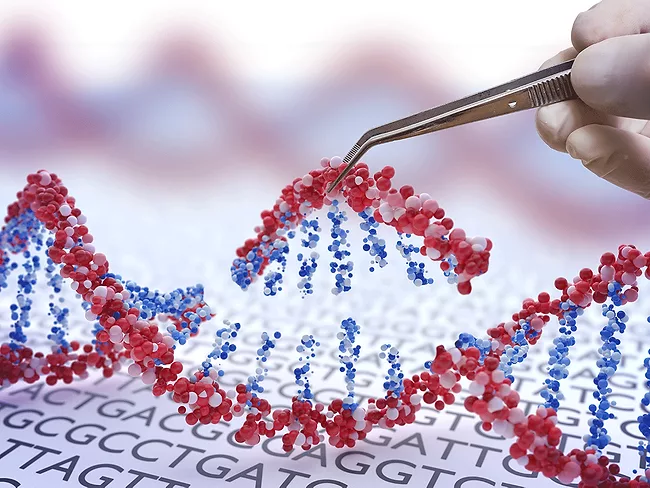
Modern molecular techniques have progressed to the point where sequencing can seem almost quaint. At the Basic Science Symposium of the American Association for the Study of Liver Diseases 2022 meeting (AASLD 2022), new techniques were on full display, with sessions devoted to epigenetics, microbiome analysis and spatial transcriptomics. But the first session was still on genetic variants in all their forms – rare variants, common variants and nongermline mutations.
Kallyope Inc. has synthesized glucose-dependent insulinotropic receptor (GDIR; GPR119) agonists reported to be useful for the treatment of metabolic and nutrition disorders.
High hopes rest on manipulating the gut microbiome in order to treat a multitude of disorders. Clinical validation for the idea has come from the success of fecal microbiome transplants to treat chronic Clostridium difficile infections. Such transplants are in clinical trials to treat other gastrointestinal disorders, and more targeted methods to manipulate the microbiome are being developed as well, not just for infections, but in a multitude of other indications. Targeting the gut microbiome may turn into a way to alleviate inflammatory bowel disease, food allergies, and even psychiatric conditions.
JCR Pharmaceuticals Co. Ltd. has decided to develop a new drug candidate, JR-471, a blood-brain barrier (BBB)-penetrating α-L-fucosidase for the treatment of patients with the inherited lysosomal storage disorder fucosidosis.
Eccogene (Shanghai) Co. Ltd. has received FDA clearance to begin a phase I study of its glucagon-like peptide 1 (GLP-1) receptor agonist ECC-5004 for type 2 diabetes.