Sickle cell disease (SCD) is a genetic disorder caused by a single point mutation in the β-globin gene, leading to the production of abnormal hemoglobin. Patients with SCD lacking a compatible donor for allogeneic hematopoietic stem/progenitor cell transplantation can benefit from gene therapy approaches.
Entasis Therapeutics Holdings Inc. has described mannan-binding lectin serine protease 2 (MASP2) and/or mannan-binding lectin serine protease 3 (MASP3) inhibitors reported to be useful for the treatment of thrombotic microangiopathy, ischemia-reperfusion injury, disseminated intravascular coagulation, graft-versus-host disease, diffuse alveolar hemorrhage syndrome, and renal, eye and cardiovascular disorders, among others.
While recent advances in gene therapy have offered unprecedented options for patients with hemophilia, new data presented at the 32nd Annual Congress of the European Society of Gene and Cell Therapy (ESGCT), held in Seville Oct. 7-10, revealed persistent concerns regarding the durability of these treatments and their potential liver toxicity.
The transition from complex and costly ex vivo strategies to platforms that enable direct cellular intervention within the body, known as in vivo therapies, is marking a paradigm change in the field of gene and cell therapies by simplifying manufacturing, improving tissue targeting and expanding clinical access to treatments.
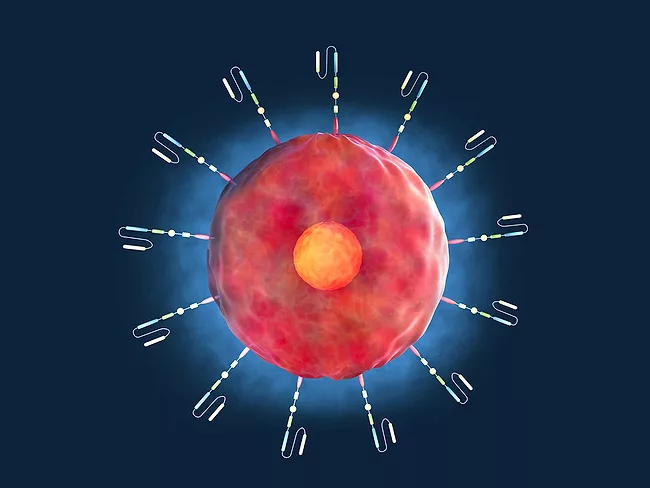
As the many challenges facing cell therapies are being addressed, the CAR T field continues to evolve beyond its original design of T cells engineered to target hematological malignancies. During the 32nd Annual Congress of the European Society of Gene and Cell Therapy (ESGCT), held in Seville Oct. 7-10, several studies showed how this technology is being redefined as programmable and adaptable immune cells with expanded functional versatility.
Athernal Bio Ltd. has launched, supported by £3.5 million (US$4.7 million) in funding and with a focus on the development of targeted immunotherapies for early intervention in high-risk clonal hematopoiesis, a cancer precursor condition which can lead to acute myeloid leukemia (AML) and other hematological cancers.
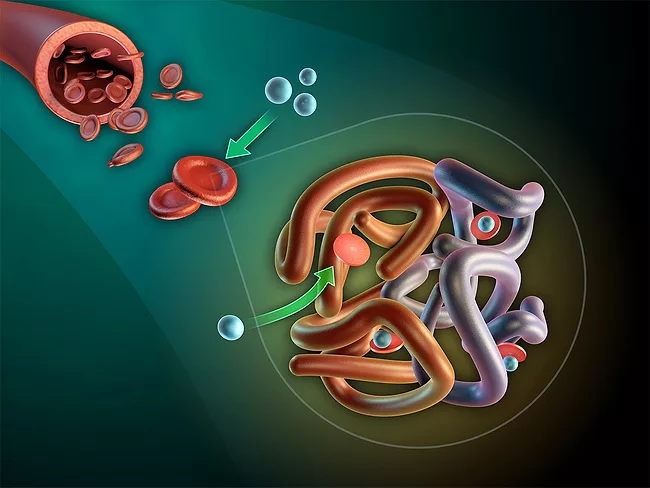
Sickle cell disease (SCD) and transfusion-dependent β-thalassemia (TDT) are severe monogenic blood disorders caused by mutations in the β-globin gene (HBB), resulting in abnormal or insufficient production of adult hemoglobin (HbA). Among emerging therapeutic approaches, the reactivation of fetal hemoglobin (HbF) represents one of the most promising strategies for both conditions.
Clarivate plc has unveiled the 2025 Citation Laureates. Widely considered a predictor of the Nobel Prizes, this recognition has highlighted the discovery of biomolecular condensates in chemistry and the innate immunity signaling pathway in physiology or medicine, as well as the identification of leukemia stem cells and ghrelin, the so-called hunger hormone.
Mutations in the F9 gene cause factor IX (FIX) deficiency, leading to severe bleeding in people with hemophilia B. Current therapies rely on frequent FIX infusions or newer agents that rebalance coagulation, but both approaches still require weekly to bimonthly dosing and often fail to entirely prevent breakthrough bleeding events, which remain common in patients. Therefore, new therapeutic strategies providing a predictable, durable, active and redosable source of FIX are urgently needed.
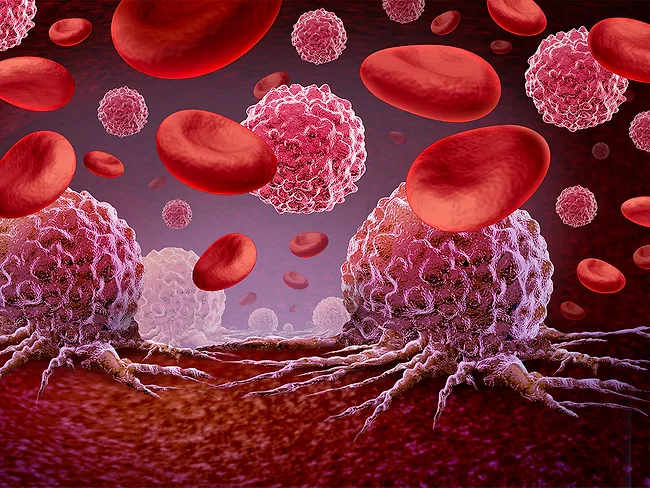
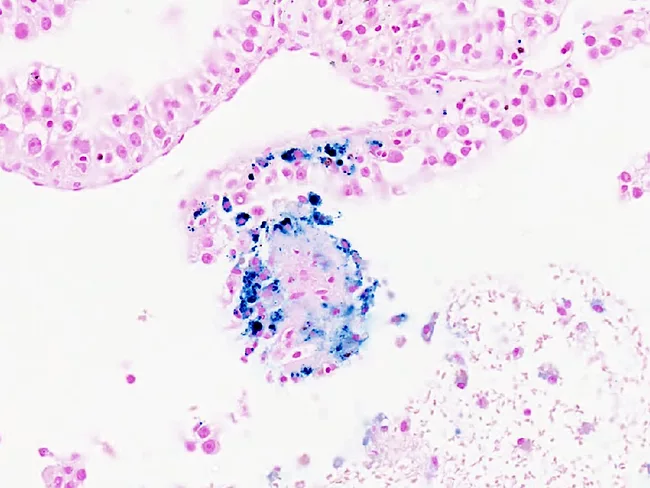
If a cancer patient has bone metastases, they will frequently have anemia as well. Given that the bone marrow is the site of blood cell formation, this observation is perhaps not unexpected. But its molecular underpinnings had been unclear to date. Now, researchers at Princeton University and the Rutgers Cancer Institute of New Jersey have identified a specialized group of iron-transporting macrophages in the metastasis-anemia link.
 RSS
RSS