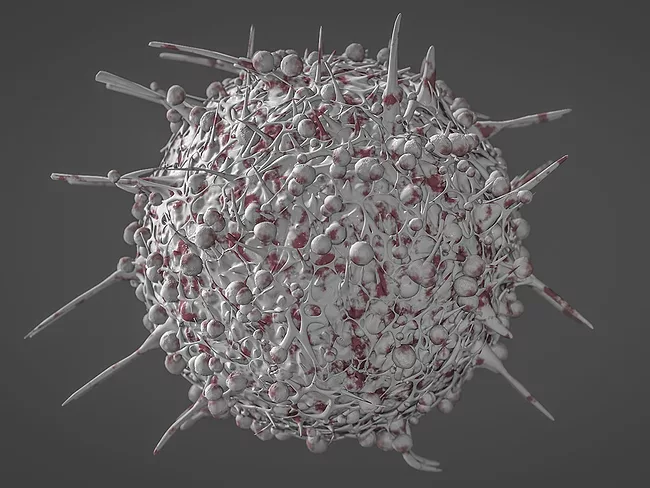
The threat posed by the Ebola outbreak in the Democratic Republic of Congo has intensified, with the confirmation that it is caused by the Bundibugyo species of the virus, for which there are no approved vaccines or antiviral therapies. At the same time, the high positivity rate, with eight laboratory confirmed cases out of 13 samples collected in various areas, and more reports of suspected cases and clusters of deaths, all point to a potentially much larger outbreak than currently is being detected and reported.
Directed evolution has become a central pillar in gene therapy. This engineering strategy enables the generation of more efficient variants of genetic editors and delivery vectors. Molecular diversification methods are increasingly sophisticated and are now accelerated by machine learning and AI tools, as showcased at the 29th Annual Meeting of the American Society of Gene and Cell Therapy (ASGCT) held in Boston this week.
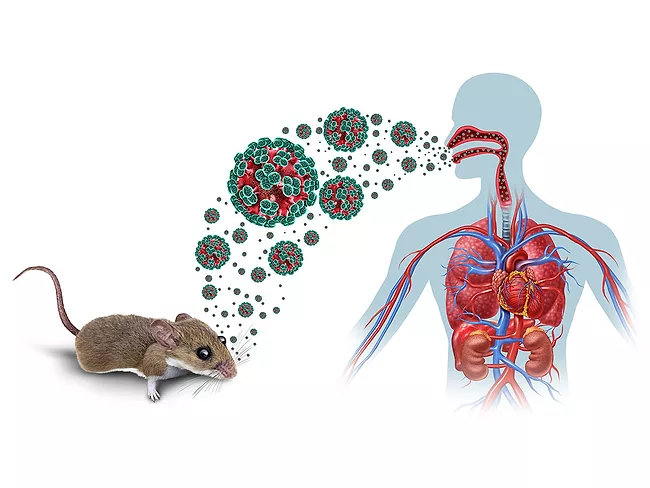
The initial appraisal of the first complete genome sequence of a hantavirus isolated from a patient in Switzerland who was a passenger on the cruise ship MV Hondius is consistent with a spillover from its natural reservoir, rather than the emergence of a markedly altered virus.
Infex Therapeutics Ltd. has secured £4.3 million (US$5 million) to support the continued advancement of the company’s pipeline of novel anti-infectives targeting antimicrobial resistance and other priority infectious diseases.
Fibrobiologics Inc. is expanding its fibroblast-based therapeutic platform to target hantavirus. The pathophysiology of hantavirus pulmonary syndrome involves uncontrolled inflammatory responses, endothelial barrier dysfunction and progressive pulmonary fibrosis, mechanisms that Fibrobiologics’ fibroblast platform is specifically designed to modulate.
A new mRNA and lipid nanoparticle (mRNA-LNP) platform could selectively reprogram in vivo cytotoxic effector T cells (Teff), the cells responsible for eliminating infected or tumor cells. To achieve this, scientists at the University of Pennsylvania conjugated LNPs with fractalkine, a molecule that binds to the CX3CR1 receptor, which is a marker of Teff cells. Using this strategy, the researchers delivered an mRNA encoding new proteins such as IL‑2 or human CD62 L‑selectin, opening the door to temporarily reprogramming these cells within the body, both in the blood and in lymphoid tissue, where they reside and become activated.
The University of Hong Kong has patented new transcription antitermination protein NusB/N-utilization substance E (NusE) interaction inhibitors reported to be useful for the treatment of gram-positive or gram-negative bacterial infections and fungal infections.
Boyuan Pharmaceutical (Suzhou) Co. Ltd. has disclosed new herpes simplex virus (HSV) inhibitors potentially useful for the treatment of HSV infection and dementia.
Researchers from Sunshine Biopharma Inc. and the University of Arizona reported the discovery and preclinical characterization of MR-1-114, a noncovalent inhibitor of the SARS-CoV-2 papain-like protease (PLpro).
 RSS
RSS