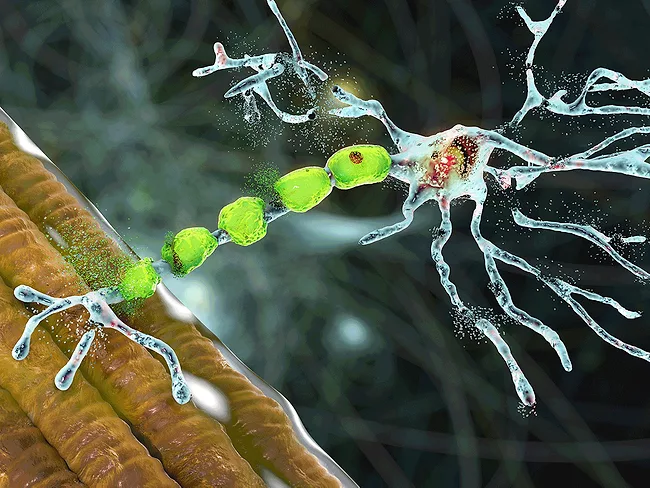
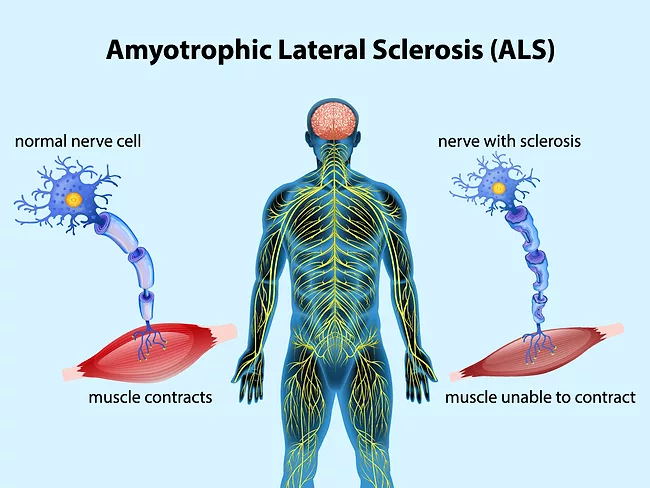
Sigma nonopioid intracellular receptor 1 (SIGMAR1) is a protein enriched in motor neurons (MNs), and mutations in its gene have been previously linked to various motor neuron diseases (MNDs). Researchers from Welab Barcelona and affiliated organizations recently presented preclinical data for two novel SIGMAR ligands, EST-79232 and EST-79376, being evaluated as potential candidates for the prevention of MN degeneration.
Sangamo Therapeutics Inc. has signed an evaluation and option agreement with Prevail Therapeutics Inc., a wholly owned subsidiary of Eli Lilly & Co., through which Prevail has been granted rights to evaluate certain proprietary adeno-associated virus (AAV) capsids developed by Sangamo and may exercise certain options to license these capsids for multiple undisclosed neurological targets.
Shanghai Institute of Materia Medica of the Chinese Academy of Sciences have developed nitrogenous heterocyclic compounds described as as receptor-interacting serine/threonine-protein kinase 1 (RIPK1; RIP-1) inhibitors.
Arrowhead Pharmaceuticals Inc. has filed an application in New Zealand for clearance to initiate a phase I/II trial of ARO-DUX4, the company’s investigational RNA interference (RNAi) therapeutic being developed as a potential treatment for patients with facioscapulohumeral muscular dystrophy (FSHD).
Nysnobio Inc. has received a grant from The Michael J. Fox Foundation for Parkinson’s Research (MJFF) to assist the advancement of the company’s lead parkin gene replacement therapy candidate, NB-001. The funding will support product manufacturing to enable IND safety studies in preparation for clinical trials evaluating NB-001 in Parkinson’s disease patients with biallelic loss-of-function mutations in the parkin gene, or parkin-PD.
Researchers from Anhui Medical University (AMU) and Wuhan University of Technology (WUT) presented the discovery of novel acetylcholinesterase (AChE) inhibitors as potential disease-modifying anti-Alzheimer’s disease (AD) candidates.
Spinocerebellar ataxia type 3 (SCA3) is the most common autosomal dominant hereditary ataxia worldwide, with no cure available. Intranuclear aggregation of the mutant expanded ATXN3 protein is a neuropathological hallmark of SCA3 linked to neurotoxicity.